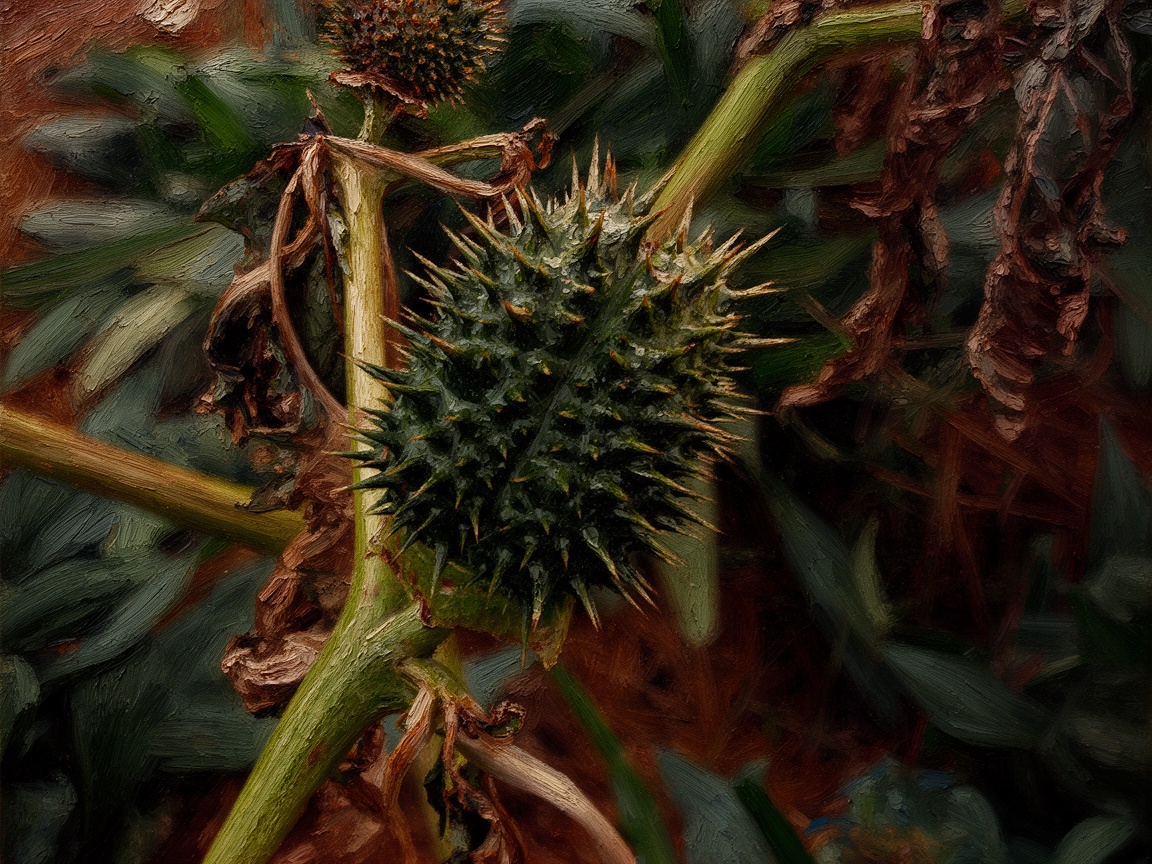
Globally Significant Crop Threats: Iraq's Datura Invasion
The rapid spread of Datura in Iraq poses a significant threat to agriculture. The Ministry of Interior has urged immediate reporting by farmers and citizens to contain this poisonous plant.
The emergence of Datura, commonly known as the 'devil's trumpet', has become a critical agricultural issue in Iraq. Its rapid spread across various regions is alarming authorities and farmers alike. The Iraqi Ministry of Interior has issued an urgent call for citizens and farmers to report sightings of this toxic plant to mitigate its impacts on crops.
Datura poses a significant health risk due to its poisonous properties, which can affect livestock and human health. Farmers are particularly concerned as the plant can invade fields rapidly, leading to crop losses and economic hardship. The Iraqi government is mobilizing resources to educate the public about the dangers of Datura and the importance of reporting its presence.
Strategically, this situation underscores the vulnerabilities in Iraq’s agricultural sector, which is already facing numerous challenges, including climate change and economic instability. The rapid encroachment of Datura may exacerbate food insecurity in the region, affecting not only farmers but also the wider population that relies on agriculture for sustenance.
Authorities are developing strategies to combat the Datura invasion, including potential eradication measures. Agricultural experts recommend public awareness campaigns to educate the populace about identifying and safely handling this hazardous plant. Furthermore, collaboration between local government and farmers is essential for effective management of the situation.
Going forward, if Datura continues to spread unchecked, it may lead to severe implications for Iraq's agricultural framework and could provoke unrest in the farming communities. A focused response plan may be crucial to ensuring food security and protecting farmers' livelihoods in the face of this emerging threat.