Globally significant military conflict develops in Regensburg, Germany
A fatal stabbing incident raises security concerns about public safety and response. The implications for military and police coordination are significant.
On Thursday in Regensburg, Germany, a concerning incident occurred as a 20-year-old man was arrested after fatally stabbing another individual inside a bank branch. The attack sparked immediate fears regarding the safety and security in public spaces, particularly as it unfolded within a financial institution frequented by the public. Authorities responded swiftly to secure the area and apprehend the suspect.
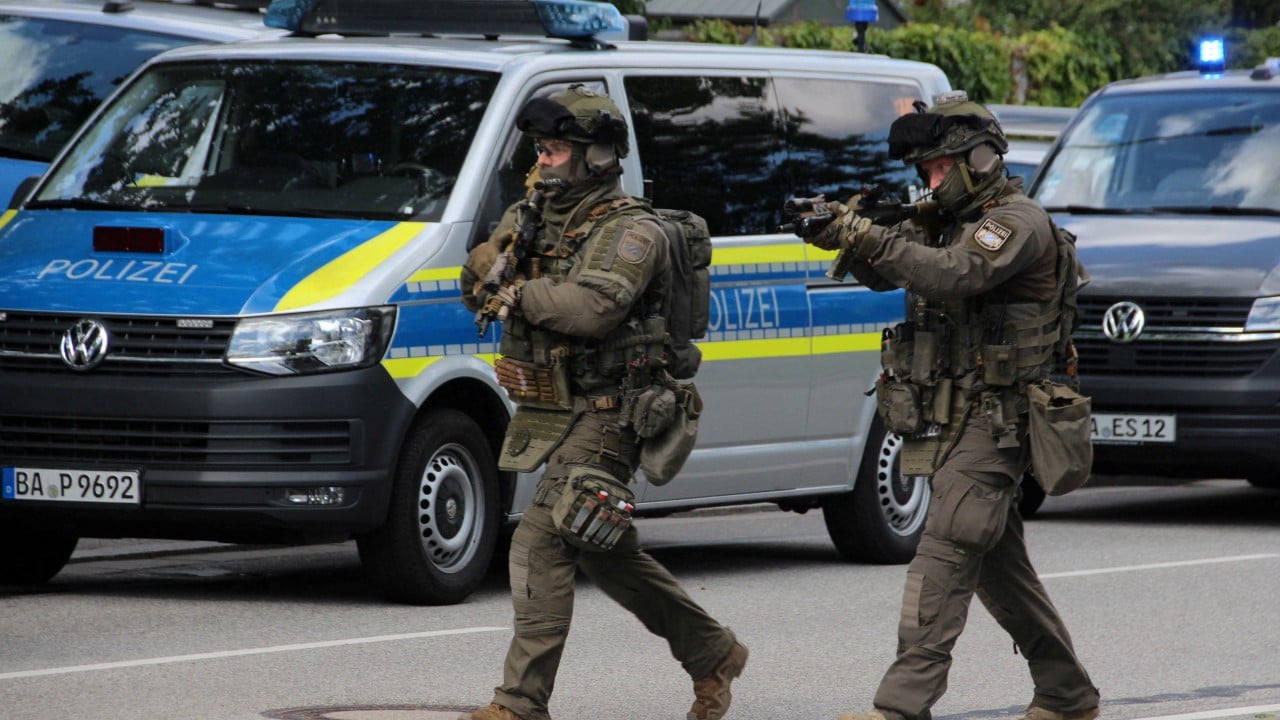
German police quickly deployed special forces, who managed to detain the assailant approximately three hours after the attack was first reported. This rapid response plays a crucial role in maintaining law and order and averting any potential escalation into a larger crisis, such as a hostage situation. The initial fears surrounding the incident underscore the heightened sensitivity toward security in banking and public areas, particularly in the wake of recent violent occurrences across Europe.
The strategic significance of this event lies in the implications for public safety and trust in the enforcement of law. Such incidents can lead to broader discussions on national security measures and law enforcement protocols. There have been ongoing calls for enhanced training and coordination between various security forces to effectively manage similar situations in the future.
Operational details revealed that paramedics were able to provide first aid to the victim prior to his transfer to the hospital, where circumstances unfortunately led to his death. This response illustrates the urgent need for timely medical assistance in emergencies, which can be critical in saving lives. Furthermore, developments like these may lead to reevaluations of emergency response protocols in Germany and other nations.
In the aftermath, the incident is likely to fuel discussions among defense and security policymakers regarding prevention strategies. Heightened awareness of potential threats in seemingly secure locations may result in increased security measures at financial institutions. This will have consequences for public perceptions of safety in everyday environments, as citizens increasingly seek assurance of their protection in public spaces.