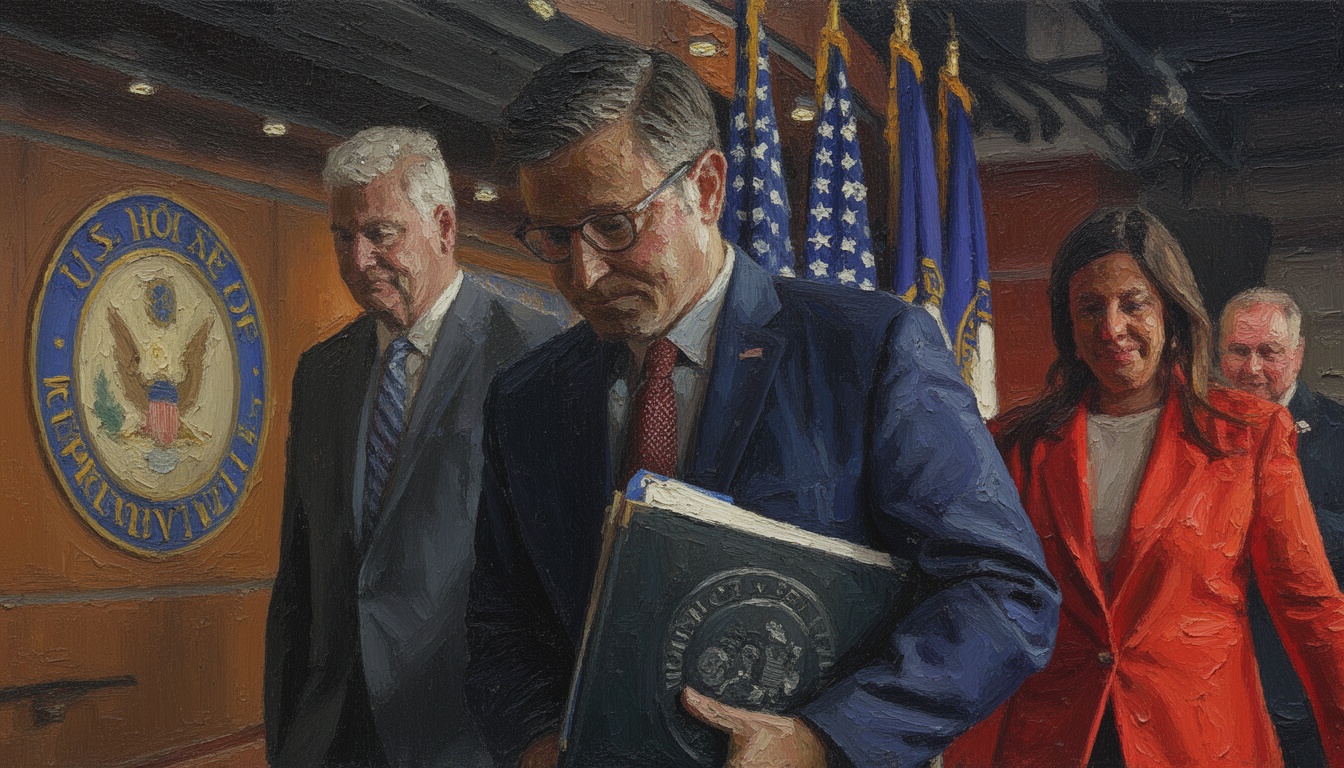
GOP Defectors Block NDAA Vote in US House
The failure to advance the National Defense Authorization Act raises concerns over US military readiness. With procedural delays, the future of the NDAA remains uncertain.
Republican lawmakers in the U.S. House of Representatives failed to advance the National Defense Authorization Act (NDAA) during a crucial procedural vote on Tuesday. This setback followed several GOP members defecting from leadership's agenda, casting doubt on the timeline for the bill's passage. As Congress approaches the Independence Day holiday, the ability to negotiate and finalize defense spending remains jeopardized.
The NDAA is crucial for authorizing defense programs and setting funding levels for the fiscal year. The failure to secure a vote could lead to gaps in military funding and hinder the operational readiness of the armed forces. This is particularly concerning given the current international security environment, which demands robust defense capabilities.
The implications of this legislative deadlock are significant, as it reflects broader issues within the Republican party regarding unity and strategic priorities. With members departing for the holiday, negotiations could be stalled until after the recess, further delaying critical military funding discussions.
The NDAA encompasses various sections that impact force structure, readiness initiatives, and equipment procurement. In the previous fiscal year, the NDAA was passed with a budget exceeding $700 billion, highlighting its importance in maintaining US military superiority on the global stage.
If the NDAA is not addressed promptly, it could result in a series of budgetary and operational challenges for the Department of Defense. Analysts predict that further delays in passing the NDAA may exacerbate vulnerabilities in US defense posture, especially in light of ongoing global tensions and the evolving threat landscape in regions such as Eastern Europe and the Indo-Pacific.