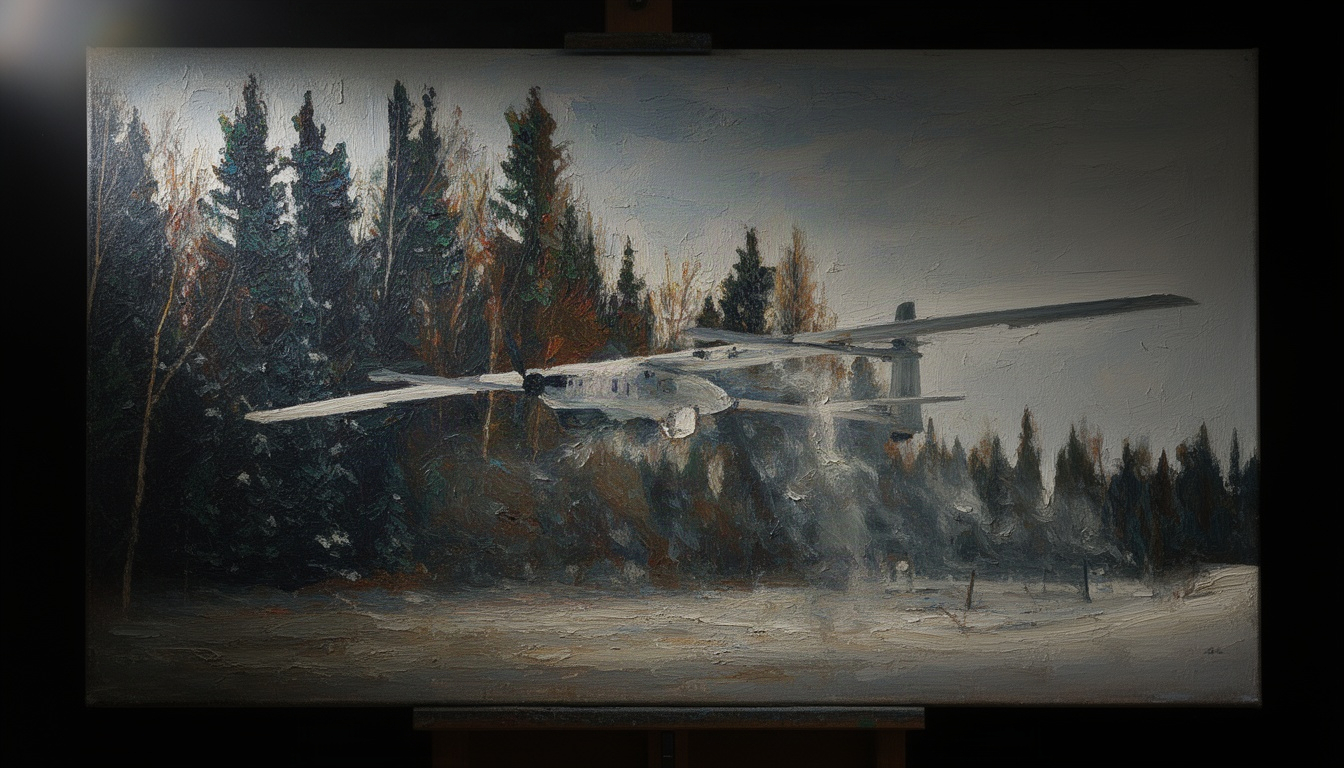
Group 2 Drones Optimized for Versatile Combat Roles
Advancements in fuel cell technology enhance the operational capabilities of Group 2 drones. These versatile VTOLs are now equipped to handle complex missions previously assigned to larger drones.
Recent developments in drone technology have led to the emergence of Group 2 drones positioned strategically for modern warfare. Their lightweight design, combined with advances in fuel cell technology, allows them to operate longer and undertake missions with increased efficiency. This flexibility marks a significant shift in how unmanned aerial systems (UAS) can be utilized on the battlefield.
Traditionally, drone operations requiring vertical takeoff and landing (VTOL) capabilities were dominated by larger models, which can be cumbersome and expensive to deploy. However, Group 2 drones are designed to be smaller and more versatile, making them suitable for a variety of missions ranging from reconnaissance to precision strikes. The advancements in fuel cell technology facilitate longer endurance and reduced operational costs, which are critical factors in modern military engagements.
Strategically, the introduction of Group 2 drones may change the dynamics of aerial combat. Their enhanced capability to quickly adapt to different roles allows military forces to deploy these systems more effectively in diverse operational environments. This shift towards smaller, more agile drones signifies a growing emphasis on adaptation and versatility in military operations.
In terms of specifications, Group 2 drones, capable of carrying payloads of up to 24 kg, leverage upgraded fuel cell systems that extend flight times significantly compared to traditional battery-powered alternatives. With an operational radius reaching up to 300 kilometers, these drones deliver a meaningful boost in tactical options for ground commanders.
Looking ahead, the proliferation of Group 2 drones highlights an ongoing trend towards incorporating advanced technologies in defense strategies. As militaries worldwide continue to embrace these innovations, the future of drone operations is likely to see an increasing focus on optimization for specific combat scenarios and integrated mission capabilities.