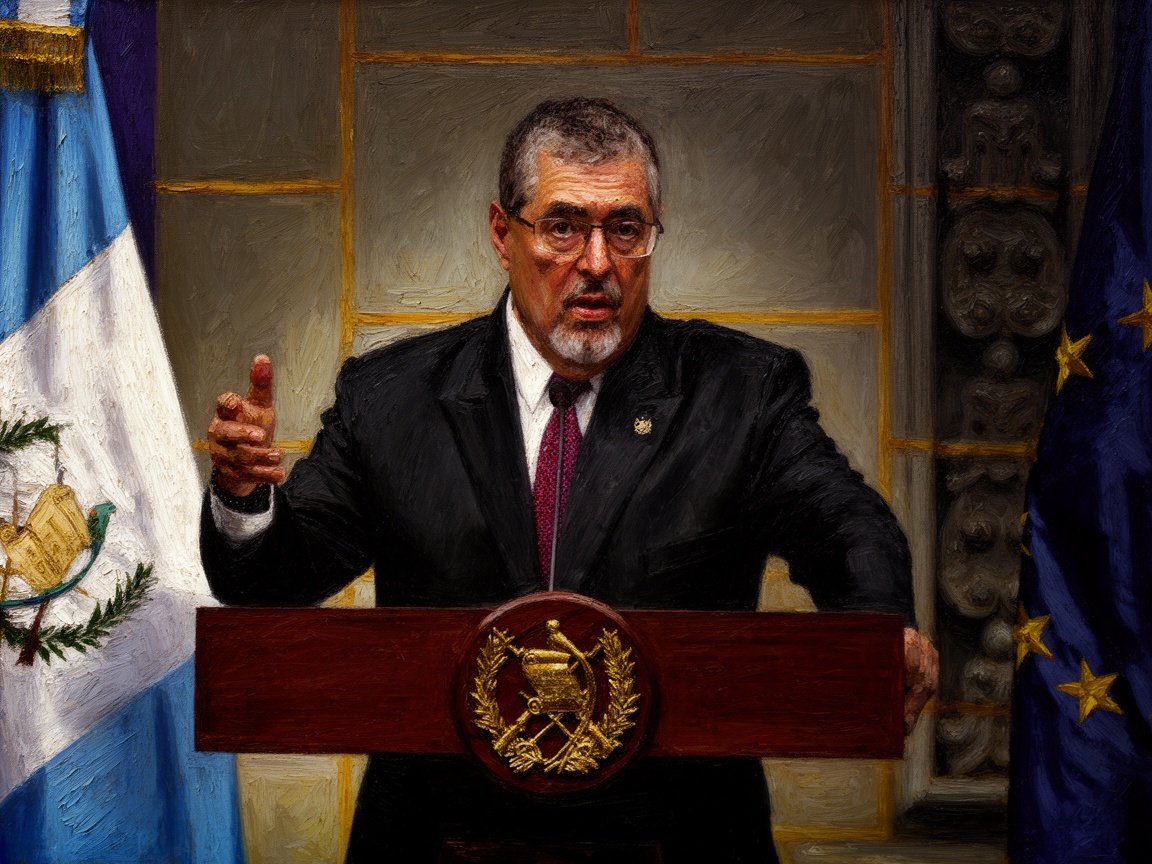
Guatemala Denies Agreement on US Drug Trafficker Strikes
Guatemala's government clarified that it did not approve US military actions against drug traffickers, countering claims of cooperation. This statement highlights regional tensions concerning security and counter-narcotics operations.
The government of Guatemala, led by President Bernardo Arevalo, has officially denied any agreements allowing US military strikes against drug traffickers operating within its borders. Officials stated that while security cooperation with the United States was requested, no approval was given for direct military action. This clarification comes amid increasing scrutiny of US involvement in Latin America, particularly concerning drug-related violence.
In recent years, Central America has grappled with escalating violence due to drug trafficking, prompting regional governments to seek external assistance. However, the use of military strikes by foreign powers often raises concerns about sovereignty and the effectiveness of such interventions. The political landscape in Guatemala is sensitive, and the government's rejection of US attack operations reflects its necessity to assert independence in security matters.
The strategic implications of this situation are significant. Guatemala serves as a crucial transit point for narcotics entering the United States, presenting a persistent challenge for both Guatemalan and US authorities. The relationship between the US and Guatemala is vital, with cooperation in intelligence and law enforcement being essential to countering drug trafficking networks.
Operationally, the US employs various military assets in its drug interdiction efforts, including surveillance drones and specialized infantry units. Budget allocations for such operations are often substantial, aimed at enhancing interdiction capabilities and supporting regional allies.
The implications of Guatemala's decision may reverberate through US-Latin American relations, particularly regarding counter-drug strategies. By asserting its stance against direct military strikes, Guatemala may seek to establish a precedent for greater autonomy in shaping its security policies, potentially influencing other nations facing similar dilemmas.