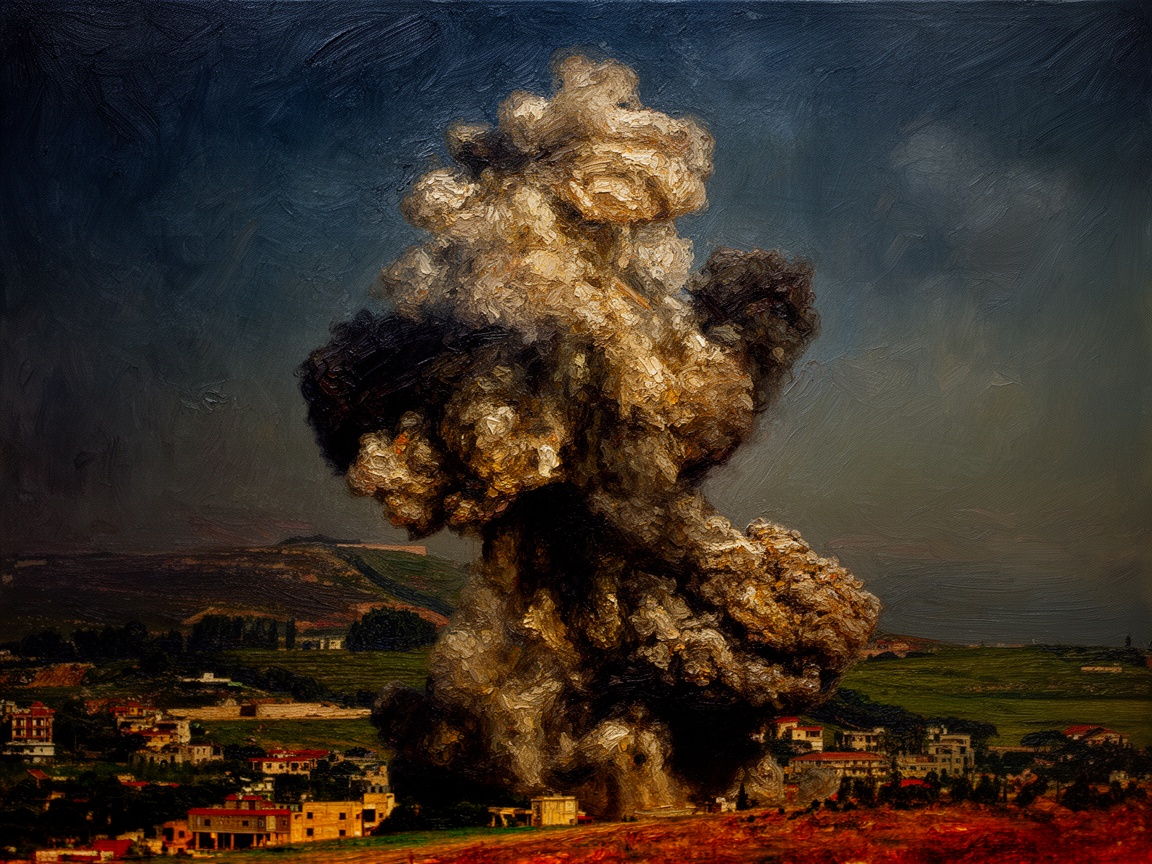
Hezbollah and Israel Increase Attacks Despite Ceasefire
The renewed violence between Israel and Hezbollah raises concerns about the effectiveness of the ceasefire. An escalation could destabilize the broader region.
Recent clashes between Israel and Hezbollah mark a significant escalation in hostilities, disregarding the current ceasefire arrangement. Both sides have reportedly intensified their military operations, with increased artillery strikes and aerial bombardments reported along the Lebanese-Israeli border.
Historically, tensions between Israel and Hezbollah have flared in response to regional dynamics, especially following heightened political unrest and military buildups. In recent weeks, Hezbollah has aimed drones at Israeli positions, while Israel has countered with air raids targeting Hezbollah strongholds in southern Lebanon.
The strategic implications of this renewed aggression cannot be overlooked. The potential collapse of the ceasefire may lead to a full-scale confrontation, threatening to draw in various regional actors and complicate the already fragile security landscape in the Middle East.
Military sources indicate that both sides are significantly enhancing their operational capabilities. Israel has fortified its Iron Dome missile defense systems and increased reconnaissance operations. Hezbollah, on the other hand, is expected to deploy advanced missile systems acquired from Iran, posing a direct challenge to Israeli aerial supremacy.
Looking ahead, the likelihood of further escalations remains high. Should the violence continue, it may compel international stakeholders to intervene, either diplomatically or militarily, in an attempt to stabilize the situation and prevent a wider conflict in the region.