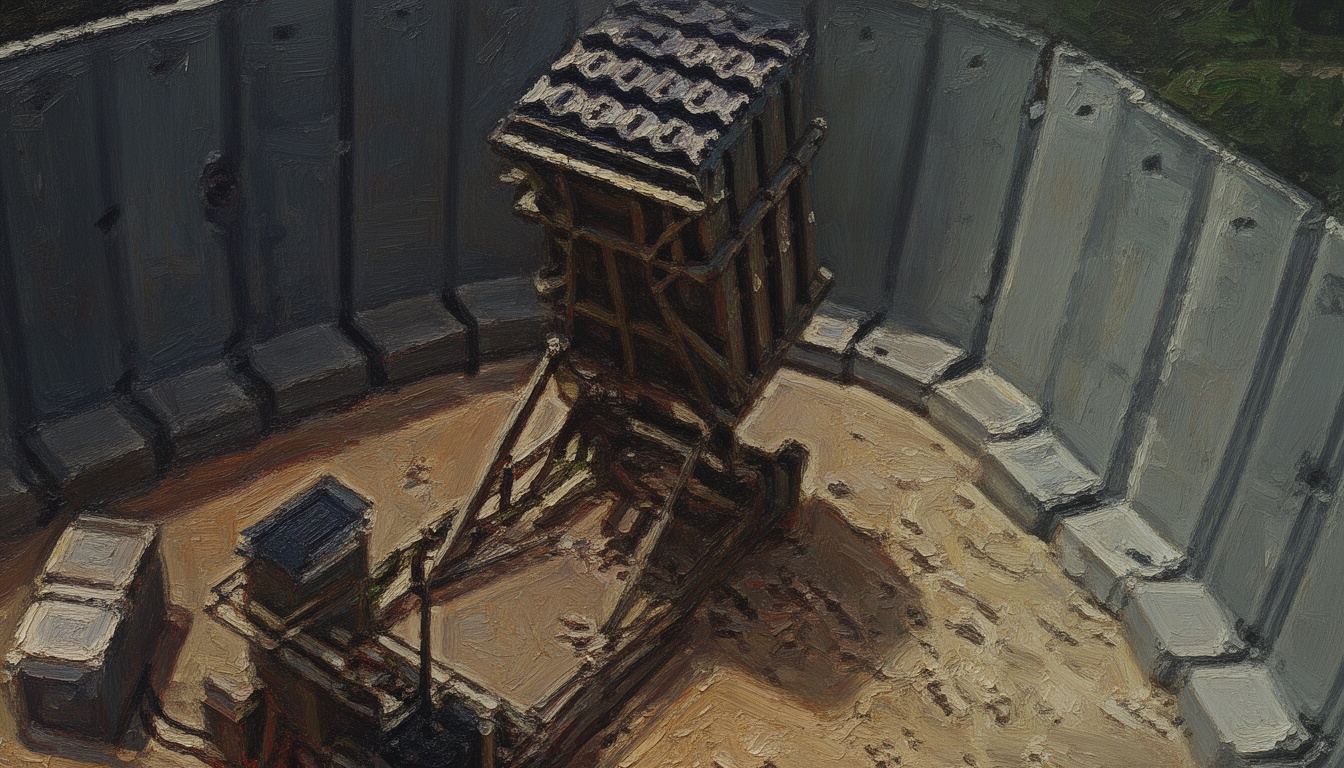
Hezbollah Announces Strikes on Iron Dome; Videos Show Decoys
Hezbollah's claims of striking Israel's Iron Dome raise questions about effectiveness. Analysis reveals the use of decoys by Israeli forces against Hezbollah's drone threat.
Hezbollah has recently claimed successful hits on Israel's Iron Dome defense system amidst ongoing conflict. This assertion comes as the Iranian-aligned militia has intensified its operations, unveiling its fleet of first-person-view (FPV) drones, which are small quadcopters armed with lightweight explosives.
The context of these claims is critical, as the Israel-Hezbollah conflict has seen fluctuating levels of confrontation. An analysis of videos related to these incidents indicates a significant aspect of the Israeli military's response: the deployment of decoys. This tactic harkens back to strategies employed during World War II and suggests an adaptation to counter modern drone threats.
The strategic significance of Hezbollah's drone capabilities cannot be understated. These FPV drones represent a growing trend in asymmetric warfare, enabling smaller and less-equipped forces to challenge technologically superior adversaries. By employing drones, Hezbollah seeks to alter the operational landscape, posing new challenges for Israel's advanced missile defense systems.
Technically, Hezbollah's FPV drones are equipped with basic explosive payloads designed for precision strikes. The use of decoys suggests that the Israeli Defense Forces (IDF) are actively seeking to mislead and neutralize these drone threats. Through the application of historical countermeasures, Israel demonstrates its adaptability in the face of evolving tactical challenges.
The likely consequences of these developments may further escalate tensions between the Iranian-backed militia and Israel. As Hezbollah refines its drone operations and Israel responds with both technological and tactical innovations, the risk of miscalculation increases. This dynamic could lead to expanded military engagement and strategic implications across the region.