Hezbollah Rejects Deal as Lebanon Conflict Intensifies
The ongoing conflict in Lebanon raises regional stability concerns. Israel's operations and Hezbollah's refusal complicate a potential deal amid rising casualties.
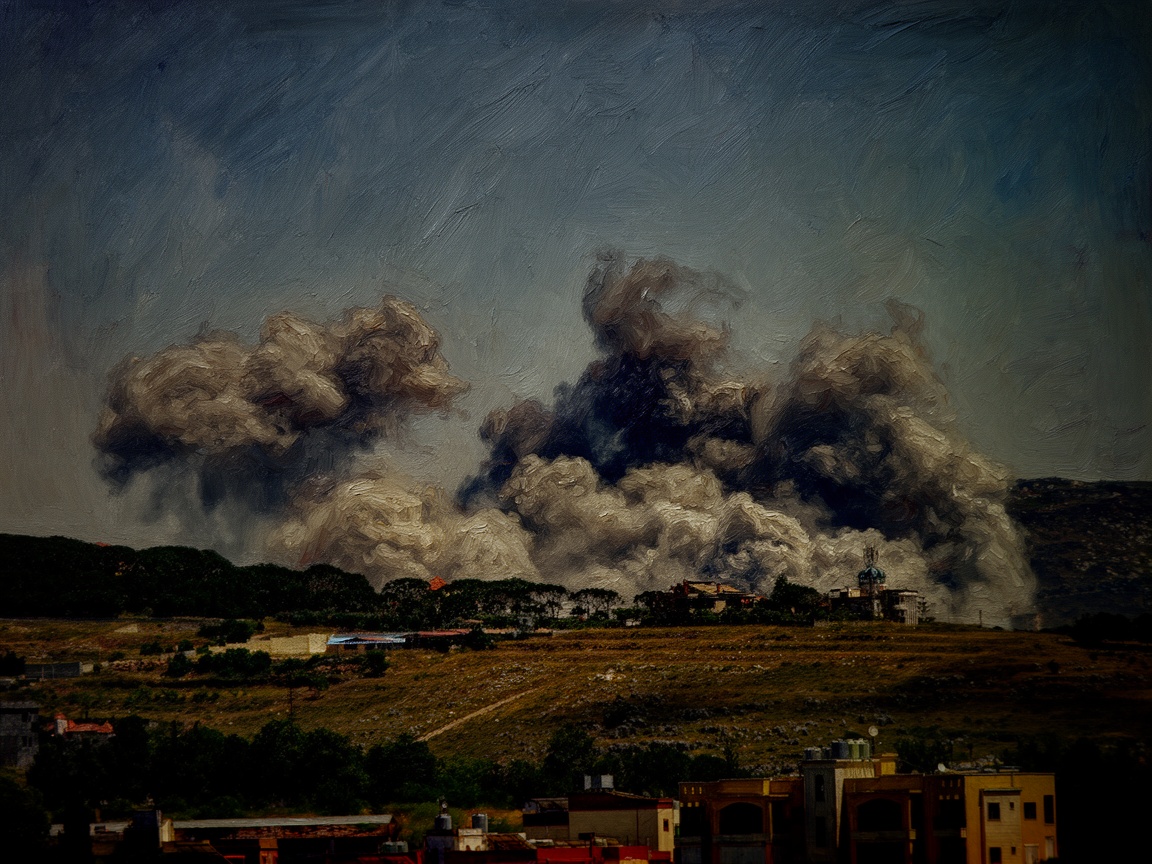
The conflict in Lebanon continues with ongoing hostilities and rising casualties, currently numbering over 3,500. Israel reportedly launched strikes targeting Hezbollah positions, despite a declared ceasefire. This escalation raises significant concerns about the potential for further regional instability.
Background context indicates that tensions have surged since hostilities began, with Hezbollah intensifying its military responses. The Iranian-backed militia formally rejected a potential ceasefire deal, emphasizing its commitment to the fight against Israeli forces. Such refusal complicates diplomatic efforts in the region, as civilian suffering also escalates amidst the clashes.
Strategically, the ongoing violence alters the dynamics of power in the wider Middle East, potentially drawing in external actors and heightening military readiness among neighboring states. This situation exemplifies the delicate balance of power, where any miscalculation could lead to a broader conflict.
Operationally, Israeli forces employed precision strikes aimed at infrastructure connected to Hezbollah in southern Lebanon. Reports suggest the use of advanced munitions, contributing to an uptick in casualties and infrastructure damage. The Israeli Defense Forces maintain that these operations aim to deter future aggression by Hezbollah.
Consequently, the entrenched conflict poses severe implications for political negotiations and the overall security architecture in the region. Should Hezbollah maintain its militant stance and Israel continue its air operations, the risk of a full-scale war remains significant, challenging both humanitarian efforts and regional alliances.