High-Stakes Talks: Iran Agrees to Nuclear Negotiations Amid War
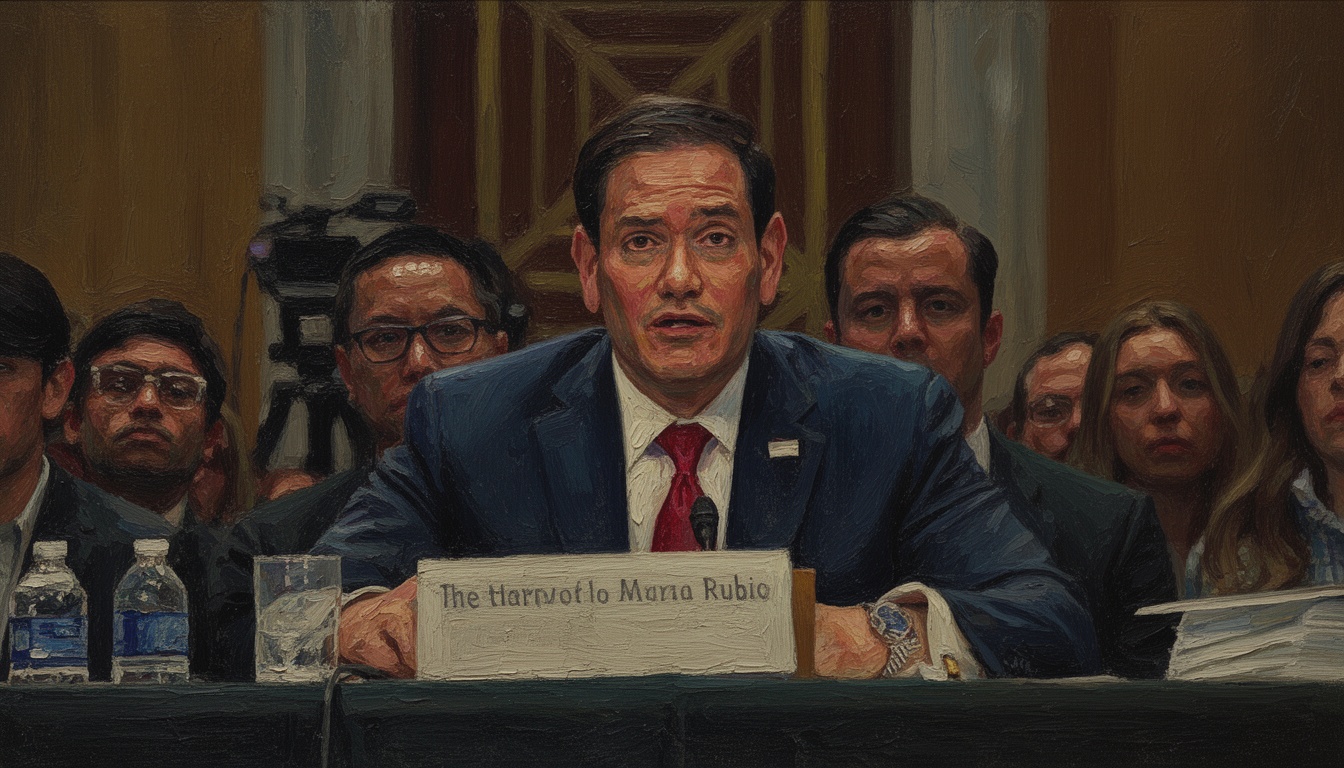
Iran has signaled a willingness to engage in nuclear talks. Secretary of State Marco Rubio highlighted this development during a Senate hearing.
On Tuesday, Secretary of State Marco Rubio provided critical testimony to lawmakers, marking his first public appearance since the onset of the Iran war. He revealed that Iranian officials have expressed a willingness to negotiate on several nuclear issues that were previously non-negotiable. While this development indicates a potential shift in Iran's diplomatic stance, Rubio refrained from predicting the outcomes of these upcoming discussions.
The broader context underscores the heightened tensions in the Middle East following the outbreak of war. The implications of Iran's willingness to engage on nuclear matters are significant, as they suggest a possible opening for dialogue that could alter the regional security landscape. This comes amidst ongoing scrutiny of U.S. foreign policy and its effectiveness in dealing with Iranian aggression.
Strategically, the readiness of Iran to enter talks on nuclear points may provide a crucial opportunity for the international community to reassess its approach. It could signify a desire from Tehran to alleviate some of the pressure imposed by sanctions and military confrontations. However, skepticism remains about whether these discussions can lead to substantial agreements or merely serve as a delaying tactic.
In technical terms, the nuclear issues at stake encompass Iran's uranium enrichment levels and related technologies. The situation poses a complex challenge for U.S. diplomacy, as high-stakes negotiations often require a delicate balance between firmness and flexibility. Rubio's statements come against the backdrop of ongoing military operations and rising national security concerns among U.S. allies in the region.
The likely consequences of this development revolve around the potential for renewed diplomatic engagements or, alternatively, an escalation of hostilities if talks falter. Analysts will be closely monitoring the situation as it unfolds, assessing how these negotiations could affect both short-term conflicts and long-term strategic goals in the Middle East.