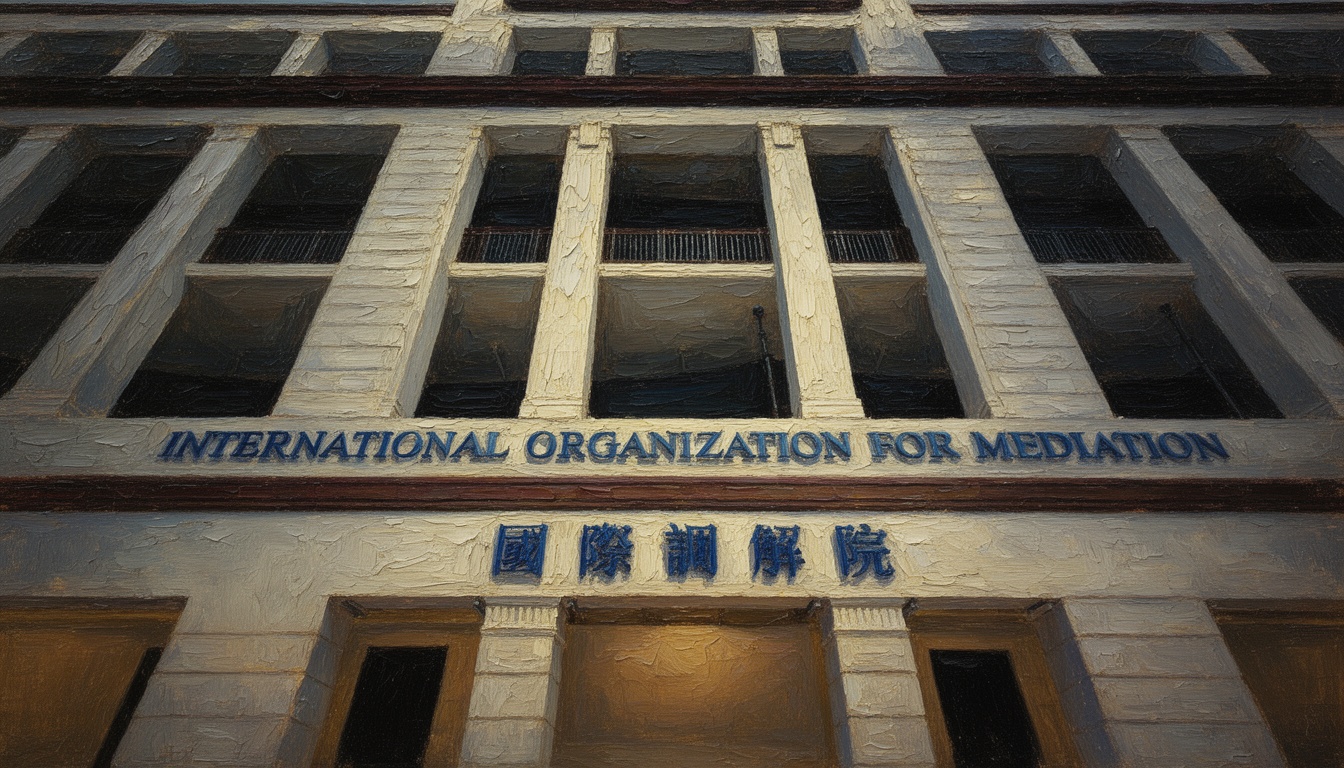
Hong Kong Mediation Body Gains Success with New Case Resolution
An intergovernmental mediation organization in Hong Kong successfully resolved a new dispute, expanding its influence to 46 signatory states. This development indicates a growing role in international mediation and conflict resolution.
An intergovernmental mediation body, the International Organisation for Mediation (IOMed), based in Hong Kong, has successfully resolved at least one more dispute, adding to its tally of significant case resolutions. This follows a previous successful mediation involving parties from Singapore and mainland China. This latest achievement underscores the organization's expanding influence in international mediation efforts involving complex geopolitical factors.
The IOMed, under the leadership of Secretary General Teresa Cheng Yeuk-wah, now covers an impressive network of 46 signatory states and 16 contracting states. This growth reflects a heightened demand for mediation services amid rising tensions and conflicts across regions. Cheng emphasized the organization's commitment to clarifying its work and the importance of mediation to parties that may have a cautious or skeptical approach.
Strategically, the success of the IOMed suggests a potential shift in international conflict resolution mechanisms, moving away from traditional judicial approaches to more collaborative, diplomatic efforts. This could pave the way for more effective resolutions in future international disputes.
Technically, the IOMed utilizes a framework that facilitates dialogue and negotiation, which is increasingly vital given the complexities of modern geopolitical relations. The increased recognition of IOMed highlights its important role in mediating disputes not just in Asia but also potentially in global concerns related to international trade and political stability.
The forward assessment indicates that as the IOMed continues to build its credibility and expand its network, it is likely to play a more central role in mediating international conflicts. The evolving geopolitical landscape may further endorse such organizations as valuable players in maintaining peace and facilitating dialogue among nations.