Houthi Blockade on Saudi Oil Transits May Widen Conflict
The Houthi blockade threatens vital oil supplies and regional stability. Attacks on ships could draw U.S. assets away from Iran operations and intensify global energy crises.
The Houthi movement's blockade of Saudi oil transits in the Red Sea has escalated tensions and poses a significant threat to the stability of global energy supplies. If Houthi forces commence attacks on vessels navigating near the Bab El-Mandeb Strait, it could lead to a substantial strain on Saudi oil exports, which already face challenges from global market volatility.
The situation stems from ongoing regional conflicts, particularly the prolonged civil war in Yemen, which has seen the Houthis demonstrate increasing assertiveness in disrupting maritime routes. U.S. military operations in the region, aimed primarily at countering Iranian influence, may be diverted as more assets may be required to safeguard maritime trade routes, particularly if an uptick in hostilities occurs.
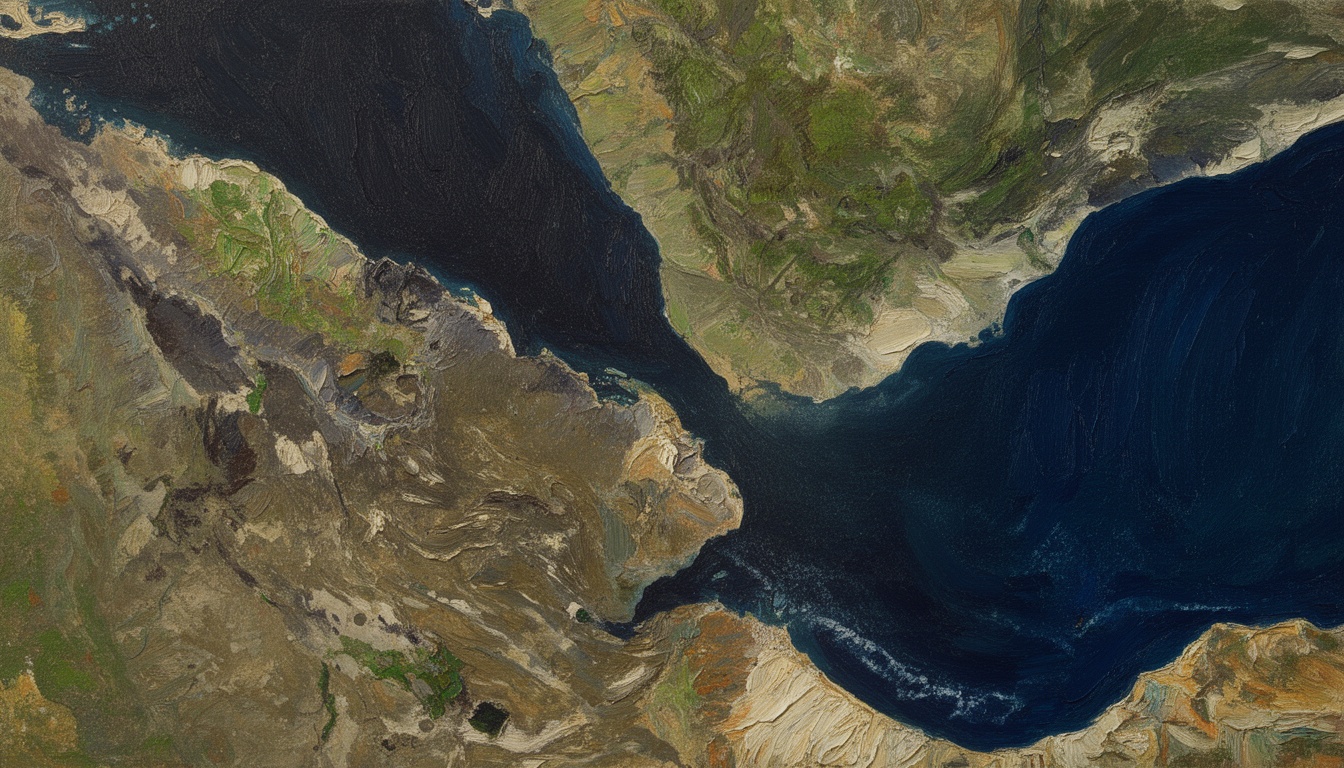
Strategically, the Bab El-Mandeb Strait is a critical choke point for global energy transportation, with approximately 4.8 million barrels of oil passing through daily. A blockade by the Houthis would not only impact Saudi Arabia's economy but also reverberate through international markets, potentially causing oil prices to surge amid already existing shortages.
As the Houthi forces possess various missile capabilities, including anti-ship missiles and drones, the operational risk to commercial vessels has heightened. This tactical scenario could prompt a reevaluation of naval security protocols in the Red Sea, potentially leading to a multinational maritime force being deployed to the area.
The possible consequences of escalated Houthi aggression on shipping channels include a further deterioration of U.S.-Iranian relations and a heightened risk of military confrontations. Global energy markets could face instability owing to reduced oil supply and increased prices, prompting an urgent international response to mitigate these emerging threats.