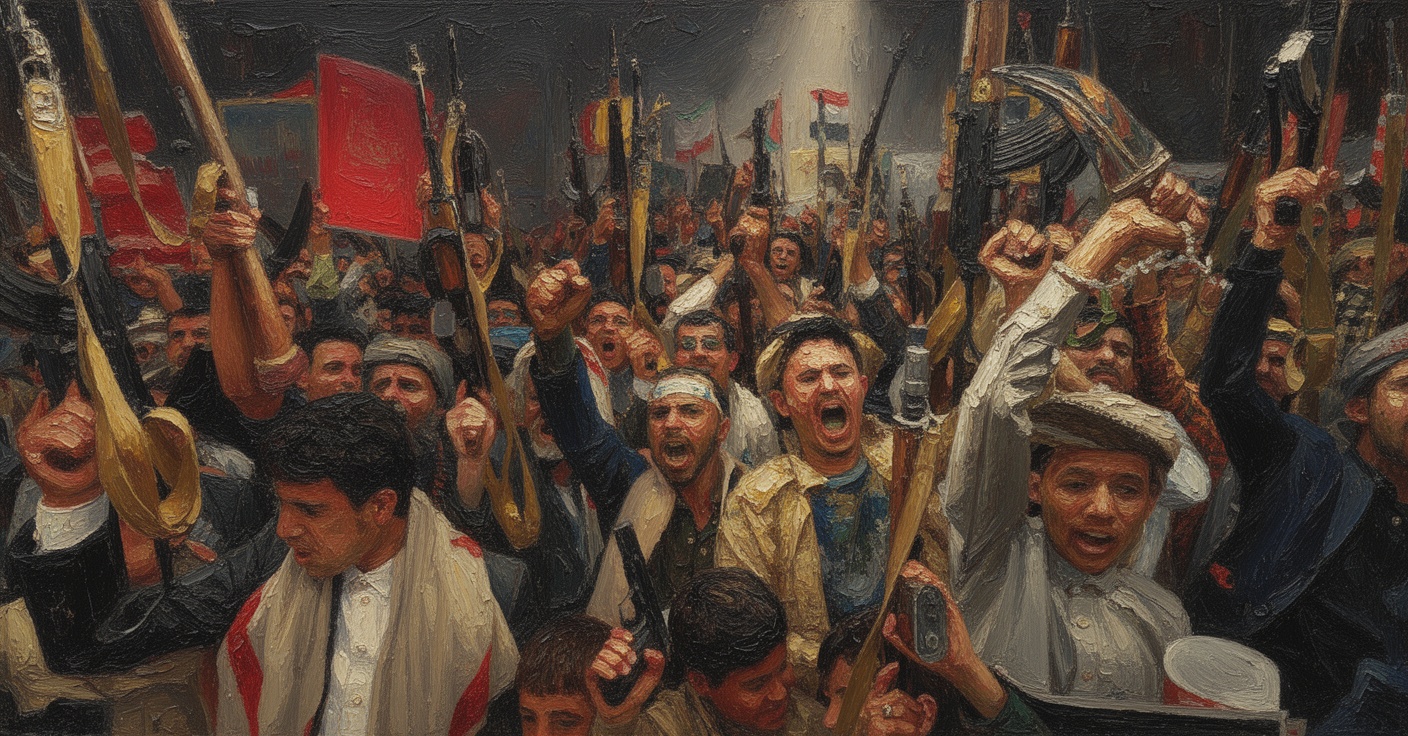
Houthi Supporters Rally in Sanaa Against Saudi-led Blockade
Thousands of Houthi supporters gathering in Sanaa highlights ongoing tensions in Yemen. This rally showcases local sentiments against regional powers involved in the conflict.
Thousands of Houthi supporters gathered in Sanaa on Tuesday to protest what they described as a Saudi-led blockade against Yemen. Demonstrators expressed their opposition to the restrictions, which they believe exacerbate the humanitarian crisis in the country. This public display underscores the ongoing tensions between the Houthi movement and the coalition led by Saudi Arabia.
The Houthi movement, also known as Ansar Allah, has been a significant political and military force in Yemen since 2014, when they seized control of the capital, Sanaa. Supported by Iran, the Houthis have faced a multi-national coalition, including Saudi Arabia and the United Arab Emirates, which has been conducting military operations in Yemen since 2015. The blockade imposed by this coalition has been heavily criticized for its impact on the Yemeni population.
The strategic implications of this rally are notable as it represents a continuing frustration among the Houthis regarding their stance in the ongoing conflict. While the coalition states it aims to restore the internationally recognized government, the Houthis claim their actions are a response to foreign intervention and oppression.
In terms of military and operational capacity, the Houthis have been developing their missile and drone capabilities, with recent reports indicating the use of advanced aerial drones against Saudi targets. Their capacity to mobilize large numbers of supporters presents a challenge to the Saudi-led coalition's claims of control over the situation in Yemen.
Looking ahead, this rally may escalate tensions further between the Houthis and the coalition. With humanitarian conditions deteriorating, international calls for an end to the blockade may intensify, adding pressure on regional powers to seek a diplomatic resolution to the ongoing conflict.