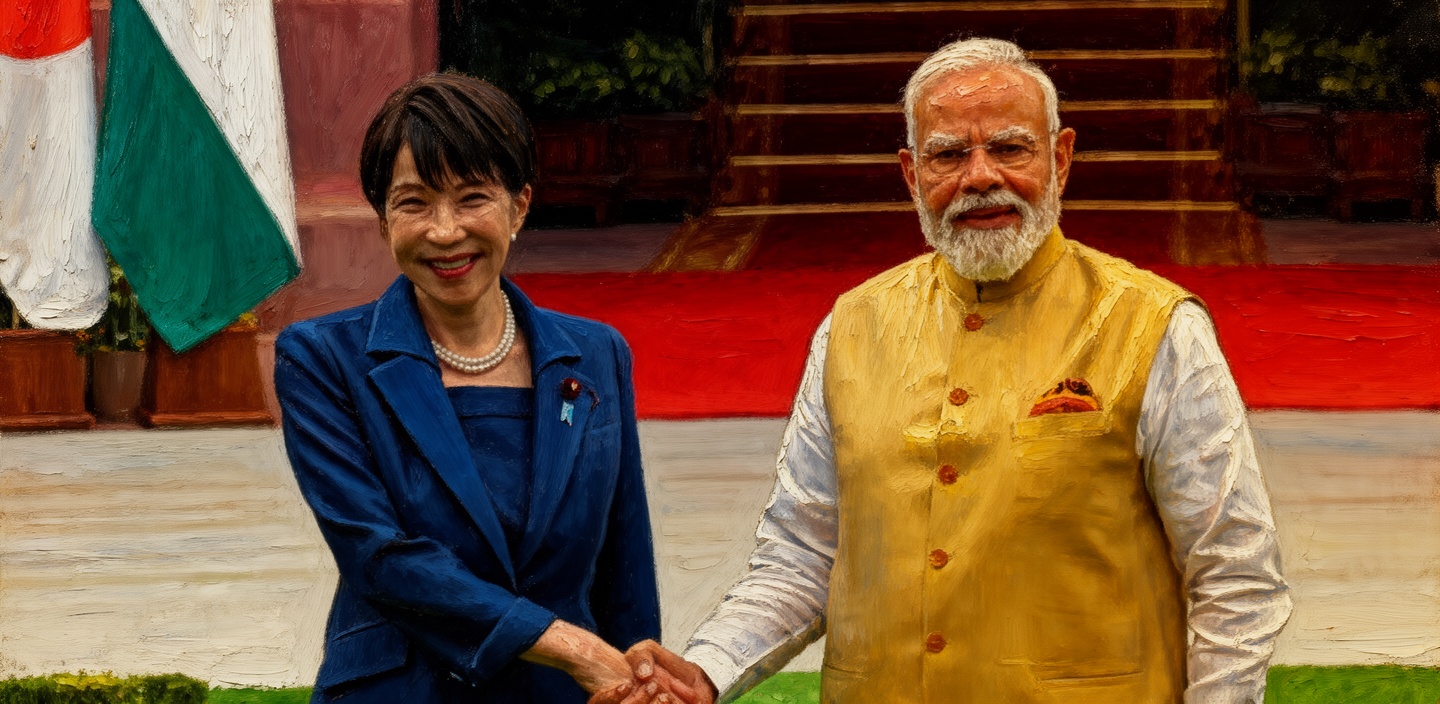
India and Japan Sign First Defense Co-Development Pact
The agreement enhances defense cooperation and promotes advancements in AI and energy sectors. This strategic partnership is set to strengthen regional security in Asia.
India and Japan have signed a landmark defense co-development agreement aimed at enhancing bilateral military collaboration. This pact marks the first of its kind between the two nations and signifies a new phase in defense ties, focusing on joint technological advancements. The agreement was officially signed during a meeting between Indian Defense Minister Rajnath Singh and Japanese Minister of Defense Yasukazu Hamada on October 9, 2023, in Tokyo.
The new pact emphasizes cooperation in artificial intelligence (AI) and emerging technologies, which are becoming essential in modern warfare. Both countries aim to develop next-generation technologies to enhance their defense capabilities and ensure a robust response to evolving security challenges. This partnership is not just limited to defense, as it also extends to energy sectors, promising collaborative efforts in renewable energy technologies and sustainable practices.
Strategically, this agreement enhances Japan’s role in India’s “Act East” policy, promoting stronger ties with key partners in the Asia-Pacific region. Both India and Japan are concerned about regional security dynamics, particularly regarding China’s military assertiveness. Strengthening defense cooperation through joint development is seen as a crucial step to counterbalance potential threats and ensure peace in the region.
The technical details of the pact remain undisclosed, but expectations are high for significant collaborative projects. Both nations are anticipated to invest resources in developing systems that integrate AI capabilities within their armed forces. Such advancements will likely involve joint exercises and training operations to improve interoperability between Indian and Japanese forces.
The agreement sets a foundation for a deeper strategic partnership, potentially opening avenues for collaboration with other countries in the Indo-Pacific. As tensions continue to rise in the region, this pact represents a significant commitment to mutual defense and technological innovation, shaping the future landscape of security in Asia.