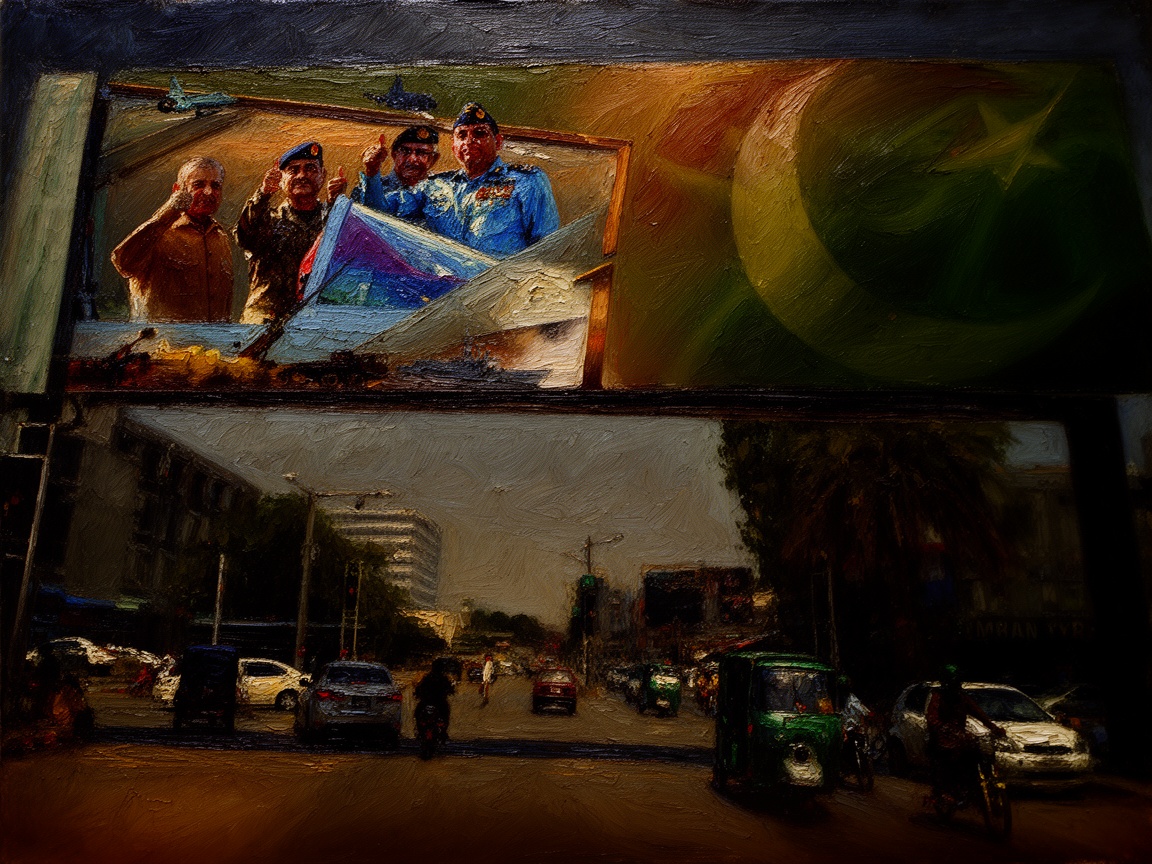
India-Pakistan Tensions Persist One Year After Four-Day Conflict
Both India and Pakistan assert strategic victories following their four-day military conflict, despite ongoing tensions. The lessons learned from the conflict may reshape future military doctrines and regional security dynamics.
On February 27, 2019, India and Pakistan engaged in a four-day military conflict that saw aerial confrontations and cross-border skirmishes. Following the tensions, both nations have declared strategic successes, framing their narratives of the conflict in ways that bolster national pride and military credibility. Despite these claims, underlying geopolitical tensions remain prevalent, indicating a complex security environment in South Asia.
The conflict, triggered by a pulwama attack that resulted in the deaths of 40 Indian paramilitary soldiers, led to significant military operations, including India's airstrike in Balakot, Pakistan, where militant training camps were reportedly targeted. Both nations showcased advanced military capabilities and response strategies during this period, which has since influenced their military planning and defense collaborations.
Strategically, the conflict reinforced the importance of deterrence in both nuclear-armed states. India has sought to enhance its strike capabilities and strengthen ties with global powers, particularly the United States, as part of a broader strategy to counterbalance Pakistan's military influence and its ties with China. Conversely, Pakistan has focused on bolstering its conventional and asymmetric warfare capacities, leaning on its strategic partnerships and aiming to maintain regional stability.
Technically, the conflict displayed the evolving nature of aerial warfare, with both countries deploying advanced systems. India used its Mirage 2000 fighter aircraft effectively while Pakistan countered with its JF-17 Thunder jets, highlighting shifts in air combat dynamics. The ramifications of these developments can potentially lead to an arms race in the region, with both sides investing heavily in modern military technologies.
In conclusion, as India and Pakistan reflect on the past year since the skirmish, the implications of their respective claims of victory serve as a reminder of the fragile peace in the region. Continued military posturing and strategic developments may contribute to future escalation if diplomatic avenues fail to adequately address lingering tensions between these rival nations.