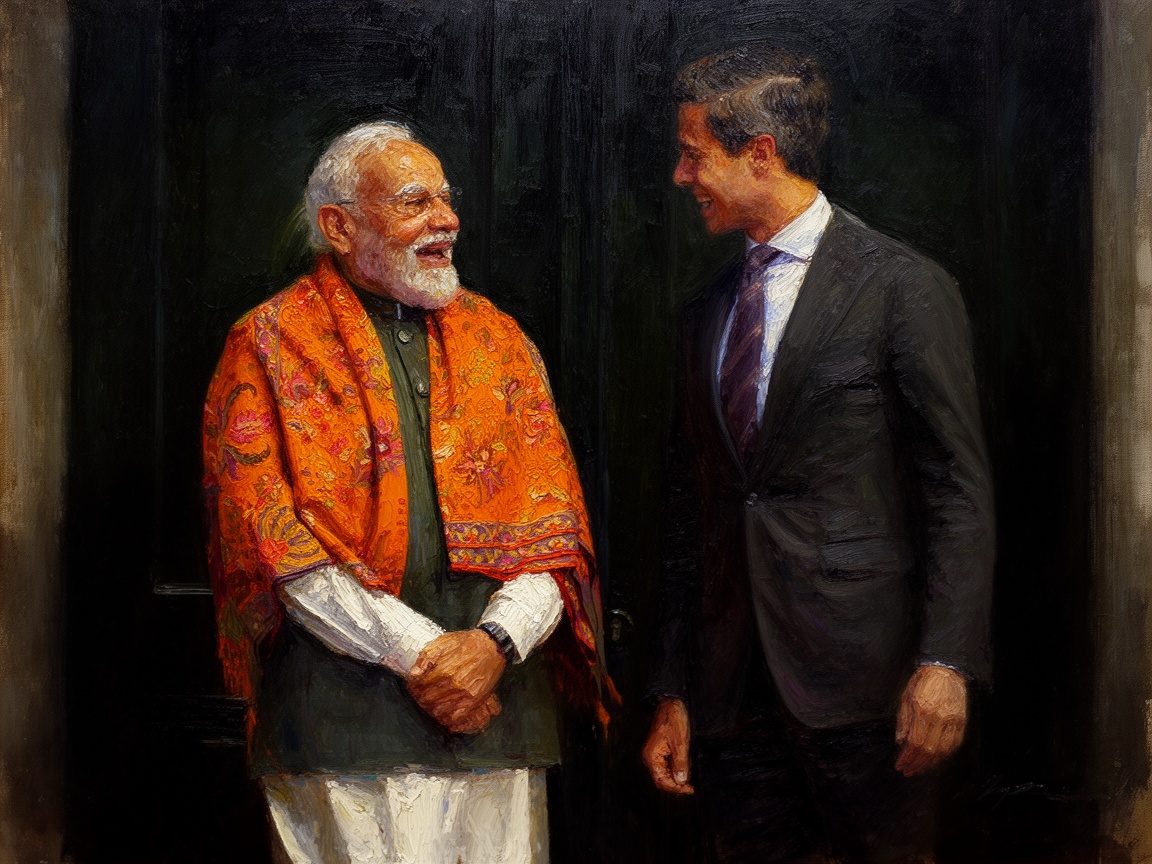
India Signs Semiconductor Deal with ASML During Modi's Visit
The semiconductor agreement highlights India's push for technological independence. Modi's discussions with the Dutch PM included defense and security cooperation.
On Tuesday, during Prime Minister Narendra Modi's visit to the Netherlands, India’s Tata Group signed a significant deal with ASML, a leading Dutch semiconductor manufacturing company. This agreement is expected to bolster India's domestic semiconductor capabilities, which are critical for the nation's technological and economic ambitions.
The discussions between Modi and Dutch Prime Minister Mark Rutte also underscored the expansion of cooperation in the defense and security sectors. As global supply chains adjust and nations seek self-reliance in key technologies, India is positioning itself as a potential hub for semiconductor production to meet both local and international demands.
Strategically, the partnership with ASML is significant as it could enhance India's capabilities in developing advanced semiconductor technologies. ASML is known for its cutting-edge Extreme Ultraviolet (EUV) lithography machines, which are essential for modern chip fabrication, potentially giving India a competitive edge in the global semiconductor market.
The specifics of the agreement have not been disclosed, but it is anticipated to involve investments and technology transfers that will strengthen India's position in the global electronics supply chain. This move aligns with India's broader strategy to reduce dependence on foreign technology and enhance its own defense industrial base.
Looking ahead, this agreement could pave the way for more collaborations in high-tech industries, positioning India as a leader in semiconductor manufacturing in the coming years. The success of this initiative will be critical to India's aspirations of being a major player in the global technology landscape.