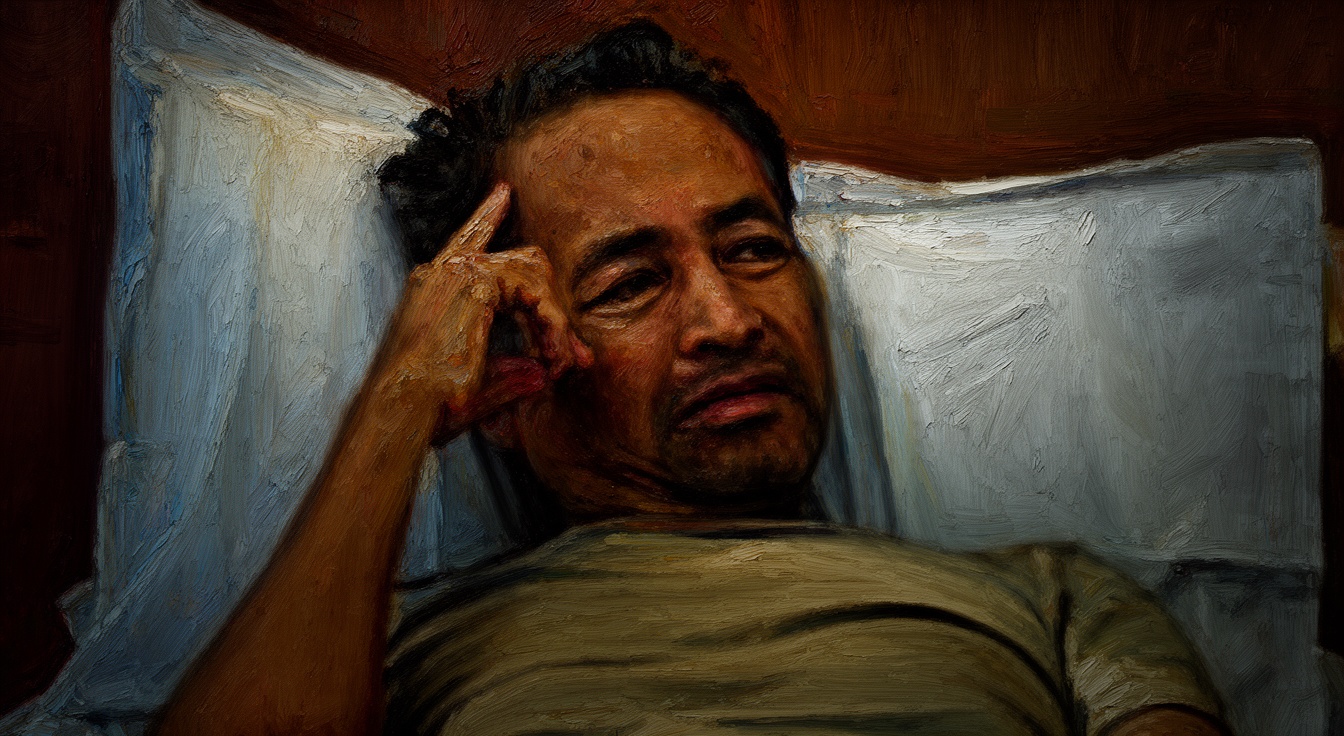
Indian Activist Hospitalized After 20-Day Hunger Strike
The forced hospitalization raises concerns over governmental response to activism in India.
Indian police have forcibly hospitalized activist Sonam Wangchuk after a 20-day hunger strike aimed at raising awareness regarding environmental issues. Authorities reported that a group of protesters attempted to obstruct the police from seizing Wangchuk, leading to what they described as a 'slight commotion'. The incident underscores ongoing tensions between activists and the Indian government, which has been criticized for its response to protests and dissent.
Wangchuk, known for his work in educational reform and environmental activism, has garnered significant attention domestically and internationally. His hunger strike drew support from communities advocating for sustainable development and climate action, highlighting a growing concern among citizens regarding the government’s policies in these areas. The police's intervention, characterized as forcible, has sparked widespread outrage and calls for accountability.
This incident is strategically significant as it reflects the larger trend of governmental suppression of dissent in India. Activists and civil society organizations express fears that such actions may result in a chilling effect on peaceful protests and activism, raising questions about the state's commitment to democracy and human rights. Furthermore, it highlights the broader issues of environmental degradation and governmental responsibility toward climate change.
While specific figures on the scale of protests have not been reported, the involvement of police in forcibly detaining activists signals a growing trend in India's approach to handling dissent. The incident could lead to increased scrutiny of the Indian government’s practices regarding the rights of individuals to protest peacefully and the implications for civil society.
If public discontent grows in response to this event, it may lead to escalations in activism against governmental policies. The situation emphasizes the delicate balance between law enforcement and civil liberties in India, posing critical questions about the future of activist movements amid rising state intervention.