Indian Sailors Trapped 75 Days Amid Iran-US Tensions
The reopening of the Strait of Hormuz for shipping offers little comfort to Indian sailors traumatized by recent events. The fear and uncertainty faced by maritime crews in conflict zones highlight the continued risks involved in global shipping routes.
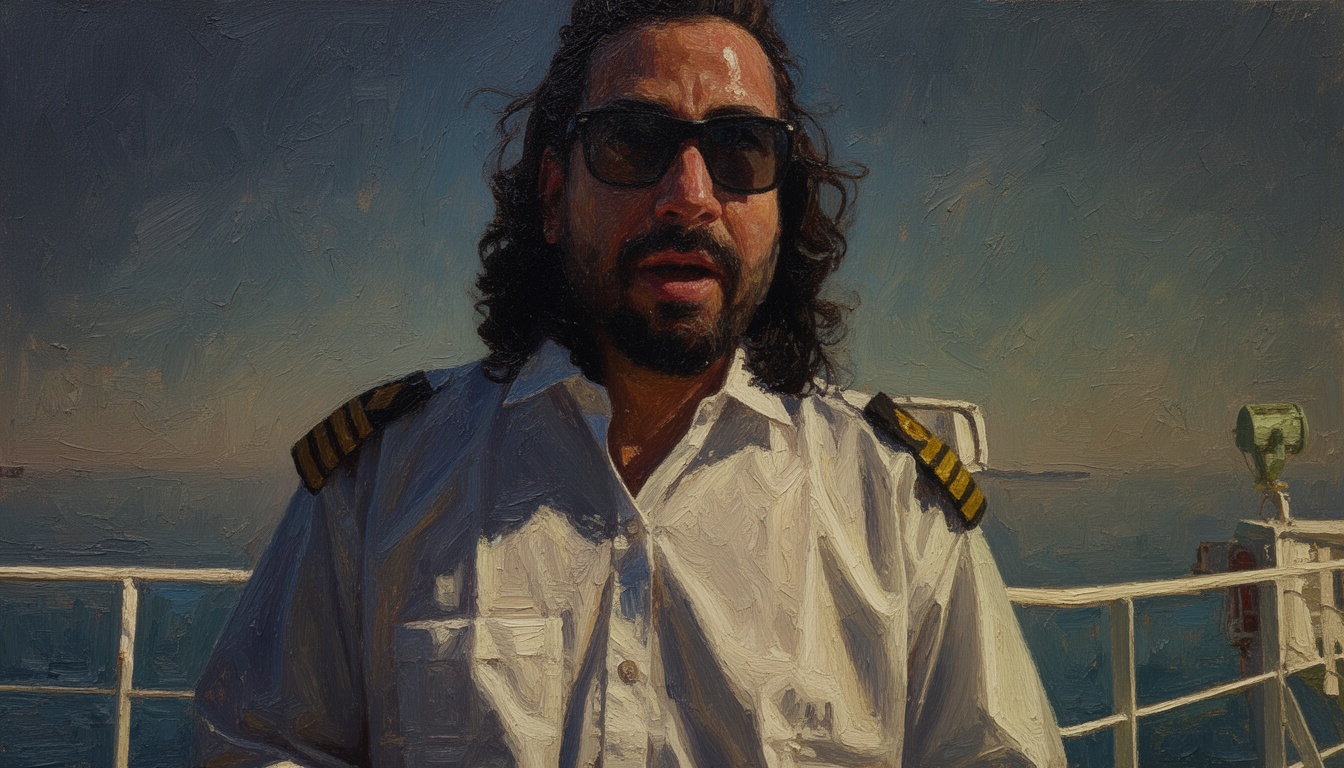
Captain Raman Kapoor, an Indian oil tanker captain, experienced a harrowing ordeal when he began loading oil at an Iraqi port in the shadow of escalating tensions between the United States and Iran. He and his crew of 24 were trapped north of the Strait of Hormuz for 75 days as hostilities erupted, and missiles flew overhead. The sailor described the intense fear and helplessness they encountered as they waited for their situation to stabilize, stating, 'We were stuck inside the war zone and everyone was so scared and clueless about what to do.'
Background context reveals that the Strait of Hormuz is a critical maritime chokepoint, with substantial global oil shipments passing through it. The region has witnessed heightened military activity recently due to the deteriorating relations between the US and Iran, increasing risks for shipping vessels that travel through the area. The reopening of the strait for normal shipping activities does not fully address the dangers that maritime crews may still face during periods of heightened conflict.
Strategically, the situation illustrates the vulnerabilities of international shipping lanes in conflict zones. The incident involving Captain Kapoor highlights how geopolitical tensions can trap commercial vessels in dangerous conditions, amplifying the already significant risks and uncertainties for crew members aboard. Given that a substantial portion of the world's oil supply transits through the Strait, any instability raises broader economic concerns that extend well beyond the immediate region.
Details of the incident reveal that the crew received little to no assistance during their prolonged period in distress. For 75 days, they awaited rescue, enduring psychological and emotional stress as they were cut off from the outside world. Reports indicate that such incidents can have lasting effects on the mental health of seafarers, resulting in trauma that impacts their wellbeing long after their return.
The prevailing circumstances underscore the need for enhanced safety protocols and protective measures for maritime crews operating in high-risk zones. As tensions in the region continue to simmer, seafarers and shipping companies must navigate the precarious balance between operational needs and safety concerns. The reopening of the Strait may provide a sense of normalcy, but the lingering fears among sailors signal that the specter of conflict remains a significant threat on the high seas.