India's Protesters Seek Resolution Amid Ongoing Stalemate
Significant talks between Indian protesters and the government may influence regional stability. The end of a hunger strike highlights the urgency of resolution.
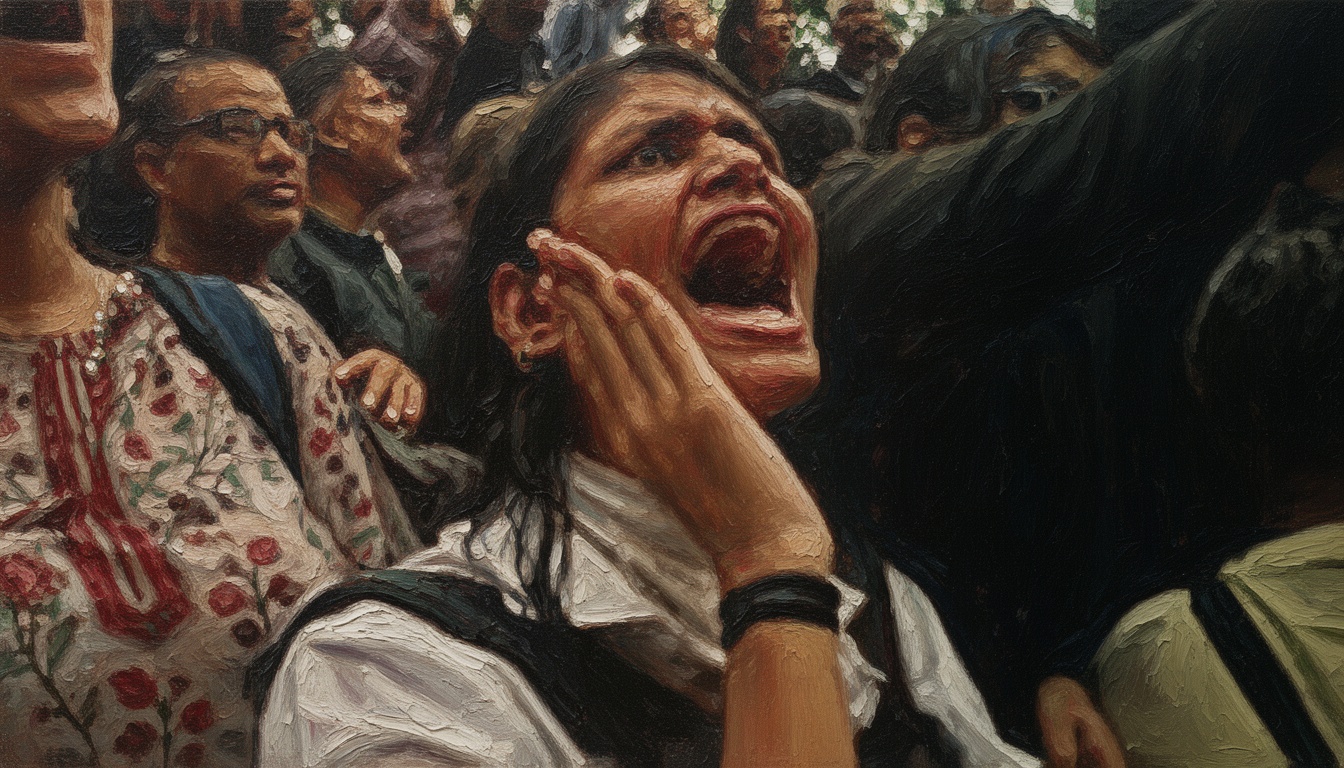
Protesters in India have engaged in talks with the government following the conclusion of activist Sonam Wangchuk's 26-day hunger strike. The discussions aim to address grievances related to environmental and educational issues in the region of Ladakh. Wangchuk, known for advocating sustainable development, emphasized the need for urgent action to preserve local ecosystems.
The protests, which have garnered considerable attention, reflect broader discontent among the Ladakhi community over development policies perceived as harmful. The absence of a clear resolution has led to a stalemate, escalating tensions between activists and officials. Wangchuk's hunger strike, initially aimed at drawing attention to these concerns, was a pivotal moment in the protest movement.
Strategically, the outcome of these discussions could have implications beyond local borders, impacting regional dynamics in a part of India that is strategically located near contested areas with China and Pakistan. Ensuring a resolution could lead to greater stability in northern India, furthering India's overall security posture in the region.
Details of the protester's demands include legislation to protect the environment and guarantee educational rights for residents. The government has been urged to engage more meaningfully with the community to foster a spirit of collaboration and dialogue. Both sides are now attempting to navigate the complexities of these negotiations amid lingering tensions.
In the coming weeks, the international community will be watching closely to see if these talks lead to tangible outcomes. A failure to reach an agreement could result in a resurgence of protests, threatening further unrest in the region and potentially drawing in neighboring powers interested in the stability of south Asia.