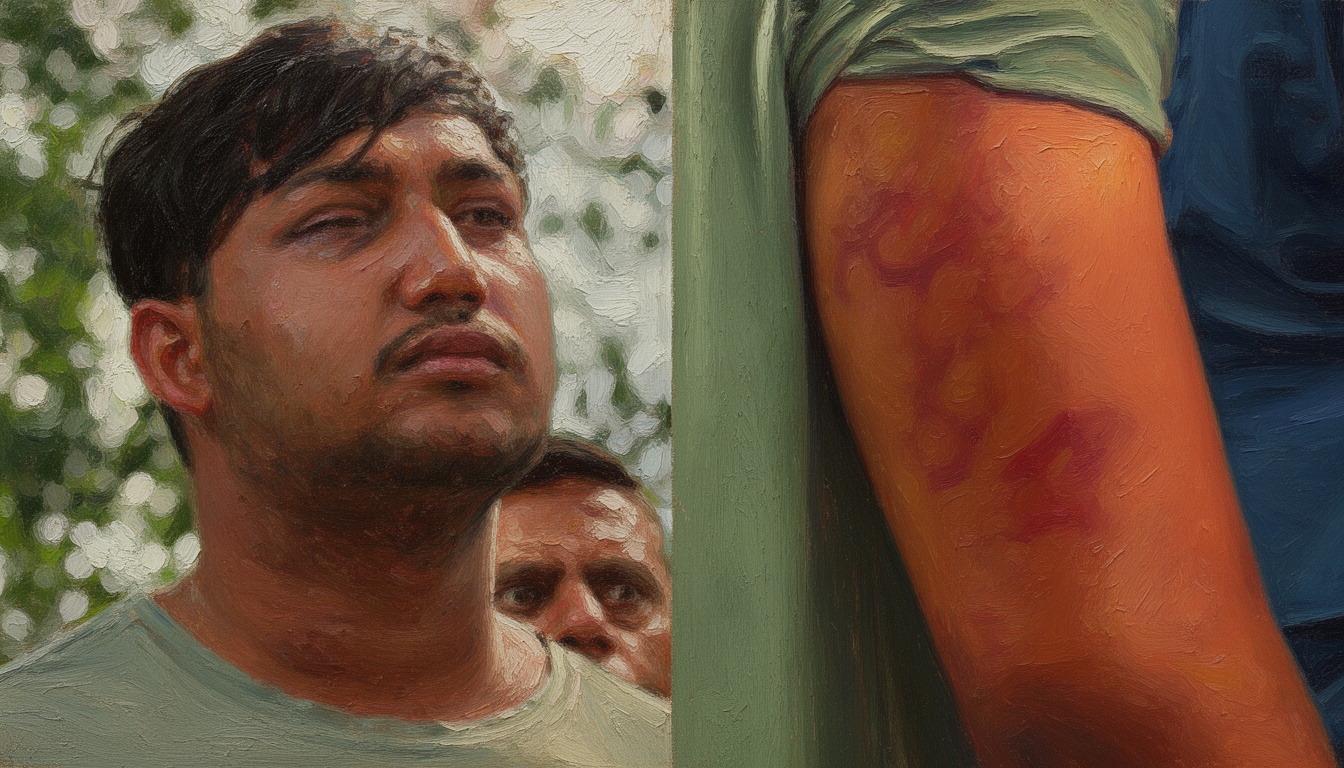
India's Protests Reveal Pellet Gun Injuries, Experts Confirm
The injuries sustained by protesters in India suggest the use of pellet guns, potentially signaling a harsher crackdown on dissent. This development highlights ongoing tensions within the country over civil rights and state responses.
Protests in India have recently drawn attention after experts identified distinct wounds consistent with pellet gun injuries among demonstrators. Ballistic experts noted that the numerous small round punctures found on the protesters' bodies are clear indicators of such ammunition. These pellet guns have been controversially used by law enforcement to control crowds, often resulting in severe injuries rather than merely pain compliance.
This situation in India reflects a significant escalation in the state's approach to managing dissent. Over the years, various protests have sparked nationwide debates about civil freedoms and police tactics. The recognition of pellet gun injuries raises concerns about the government's willingness to prioritize order over the protection of its citizens’ rights.
Strategically, the use of pellet guns points to a broader pattern of increasing militarization in law enforcement operations across India. Various civil rights organizations have criticized this approach, arguing that it infringes upon fundamental rights and may lead to further unrest.
Imposing stricter crowd control measures, including the use of pellet guns, is a serious indicator of the government's stance on public opposition. As protests continue to unfold, the potential for violent encounters increases, which could lead to a cycle of conflict between the state and its citizens.
Looking ahead, the ramifications of this increase in state violence could incite more vigorous protests and international scrutiny on India's human rights record. If the government does not address the root causes of dissent, it risks significant backlash not only domestically but also from global human rights advocates.