Insurers Monitor Conflict Risks Amid Middle East Tensions
Rising marine insurance costs highlight risks tied to Middle East conflicts, impacting global shipping.
As tensions escalate in the Middle East, marine insurance costs have surged, setting a precedent for the maritime industry as underwriters react to geopolitical uncertainties. This phenomenon illustrates the interconnected nature of global shipping routes and the immediate financial implications stemming from regional conflicts. In response, shipowners are reevaluating routes and operational costs, which could lead to significant logistical changes across international trade networks.
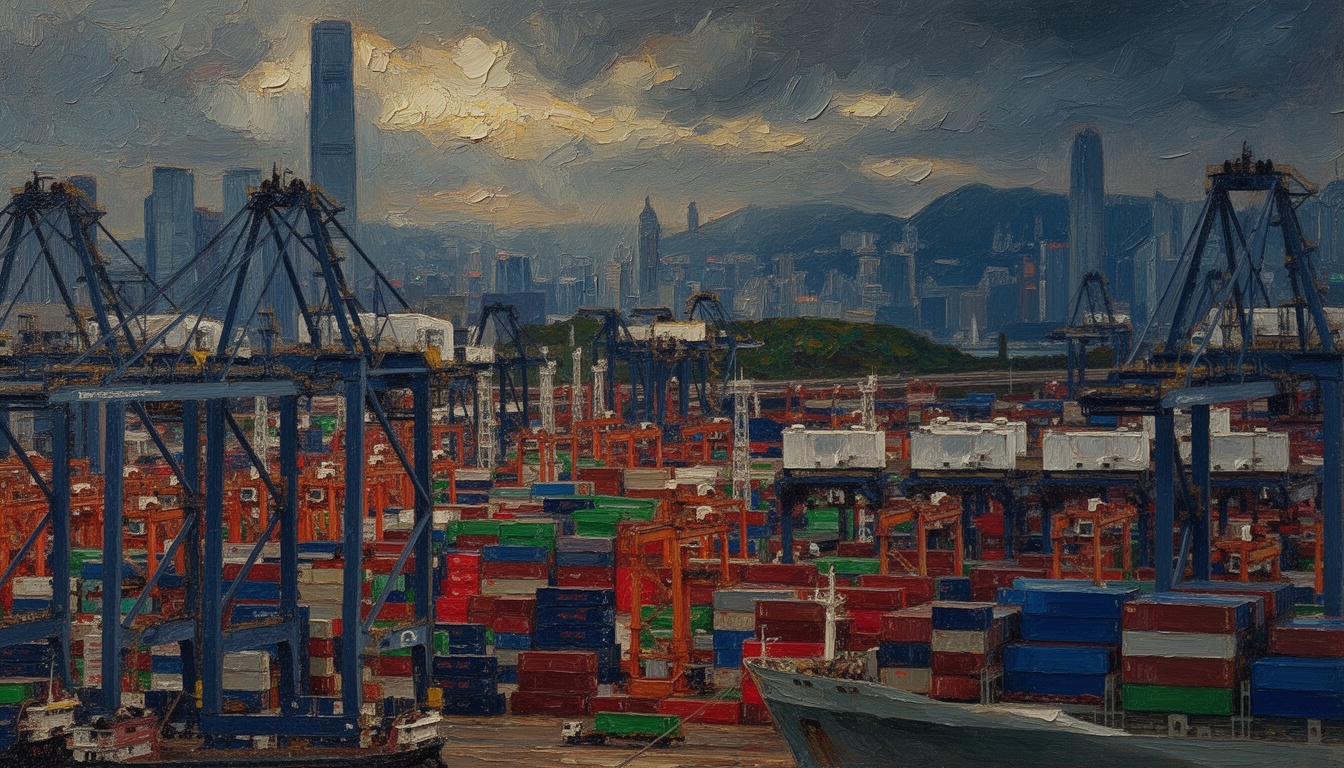
The implications for Hong Kong are particularly noteworthy. As a leading maritime hub, the city could leverage the current situation to position itself as a premium center for marine risk pricing and insurance services. By demonstrating robust legal frameworks and effective risk management strategies, Hong Kong has the opportunity to attract international shipping businesses that seek stability against the backdrop of rising uncertainties in the Middle East. The maritime industry's reliance on insurance not only impacts shipping costs but can also influence trade dynamics significantly.
Countries around the world have begun to take notice of the spiraling insurance premiums that occur during times of conflict. Marine insurance rates have been observed to fluctuate based on geopolitical stability, affecting freight costs and ultimately impacting commodity prices on the global market. As such, the role of marine insurers transcends beyond mere financial transactions; they serve as indicators of wider economic trends in the shipping industry.
On the operational front, adjustments in shipping routes due to increased insurance costs could lead to a ripple effect across the supply chain. For instance, longer paths could result in higher fuel consumption and delays in delivery times, potentially leading to productivity losses for businesses reliant on timely shipments. With the right strategic adjustments, Hong Kong can offer innovative solutions that cater to the evolving needs of the global maritime industry.
Looking ahead, the evolving landscape of marine insurance presents both challenges and opportunities. As naval commerce adapts to the increasing need for risk assessment and resilient operational frameworks, Hong Kong stands to benefit immensely if it can establish itself as a leader in marine insurance services. Strengthening its position during this period of rising conflict could secure Hong Kong's reputation as an indispensable hub in global maritime trade.