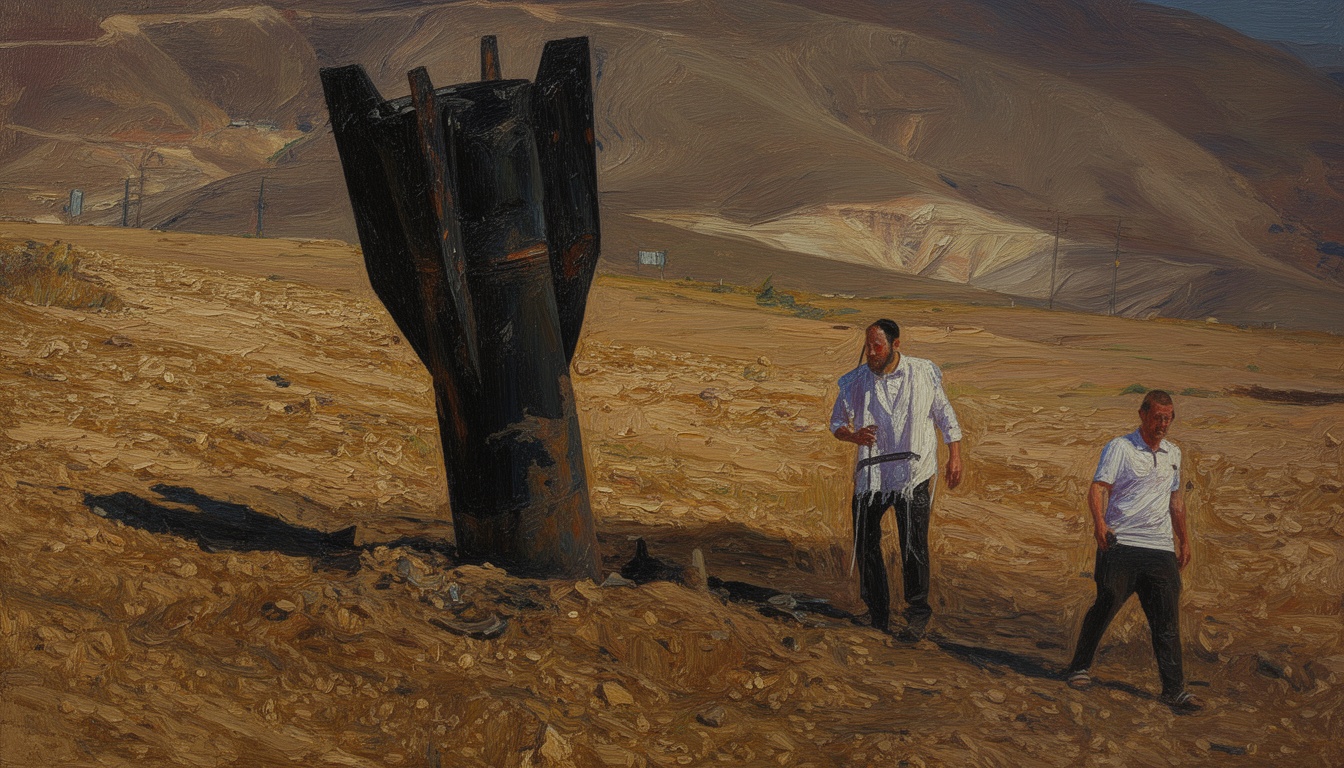
Iran and Israel Exchange Strikes Amid Truce Breakdown
Recent hostilities between Iran and Israel threaten a fragile truce. This escalation raises concerns about regional stability as diplomatic talks remain stalled.
Iran and Israel have exchanged strikes for the first time since a truce was established on April 8. This development represents a significant blow to the already fragile ceasefire, heightening tensions in a region marked by ongoing conflicts and power struggles. With both sides demonstrating a willingness to engage militarily, the potential for a wider conflict looms large.
Background context indicates that the truce had created a temporary lull in hostilities, offering a glimmer of hope for diplomatic resolutions. However, ongoing tensions have persisted, largely fueled by stalled talks between the United States and Iran regarding nuclear agreements and regional influence. As President Donald Trump calls for restraint, the prospects for meaningful negotiations appear increasingly bleak.
Strategically, this recent exchange of strikes signals a dangerous escalation in the long-standing rivalry between Iran and Israel. Each side has intensified military posturing, which raises concerns among neighboring countries and global powers about the potential for a broader conflict that could spill beyond their borders. The fragile balance of power in the Middle East faces renewed risks as both nations seem poised to respond vigorously to perceived threats.
Operationally, the strikes showcase the evolving military capabilities of both countries. Iran's missile program has demonstrated advancements, while Israel remains highly regarded for its air defense systems, including the Iron Dome. This military exchange illustrates the ongoing arms race and the strategic calculations at play in the region, with both nations closely monitored by international stakeholders.
In summary, the recurrence of hostilities poses significant questions regarding the future of diplomatic efforts in the region. If strikes continue, the situation could escalate into a full-scale conflict, compelling global actors to reassess their responses and strategies in this volatile landscape.