Iran and Israel Step Back from Potential Conflict
Following recent escalations, Iran and Israel have de-escalated their military tensions, averting a potential all-out war. This strategic restraint suggests a period of cautious engagement in the region.
In a noteworthy shift, Iran and Israel have reportedly de-escalated military tensions that were nearing all-out conflict. Both nations, after engaging in a series of retaliatory strikes, have indicated a willingness to step back from the brink. The recent tit-for-tat military actions involved drone attacks and missile strikes, heightening fears of an impending war.
Historically, the rivalry between Iran and Israel has been marked by aggressive posturing and direct confrontations, particularly in Syria and the Gulf. In recent weeks, the situation intensified with Israel launching airstrikes on Iranian positions and Iran threatening retaliatory measures. The two nations have exchanged threats publicly, but the latest developments signal a potential thaw in relations.
The strategic significance of this de-escalation cannot be overstated. Both countries have much to lose; an all-out war would not only destabilize the region further but could also draw in global powers considering their alliances. By pulling back, Iran and Israel may be seeking to manage their respective domestic challenges and avoid international isolation.
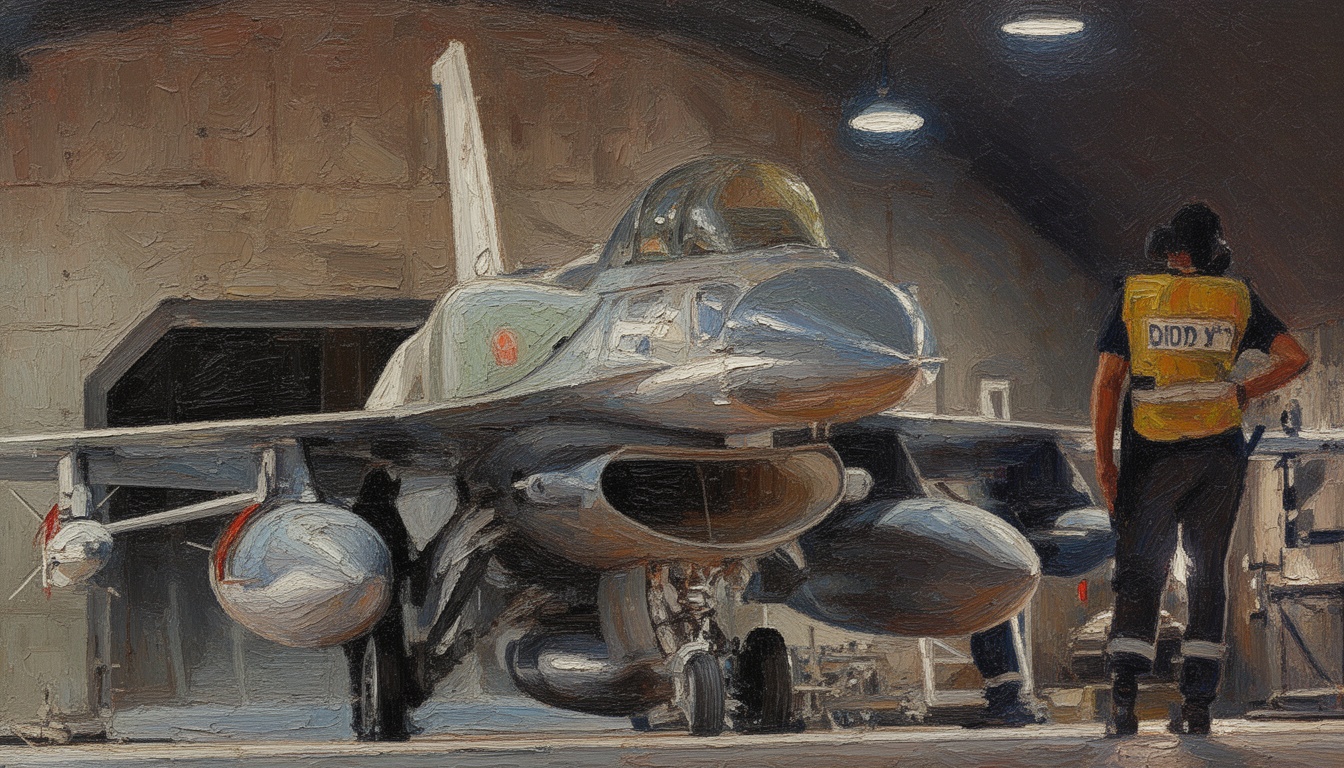
Operationally, the engagements included Israel utilizing its advanced F-35A fighter jets for strikes and Iranian forces employing precision-guided missiles. The recent military exchanges did not result in confirmed casualties, indicating a strategic choice to avoid further escalation.
The implications of this situation are crucial for regional stability. While both nations have displayed a capacity for military aggression, their decision to de-escalate may pave the way for diplomatic engagement. Analysts are closely monitoring the situation for any signs of renewed dialogue or further provocations in the coming weeks.