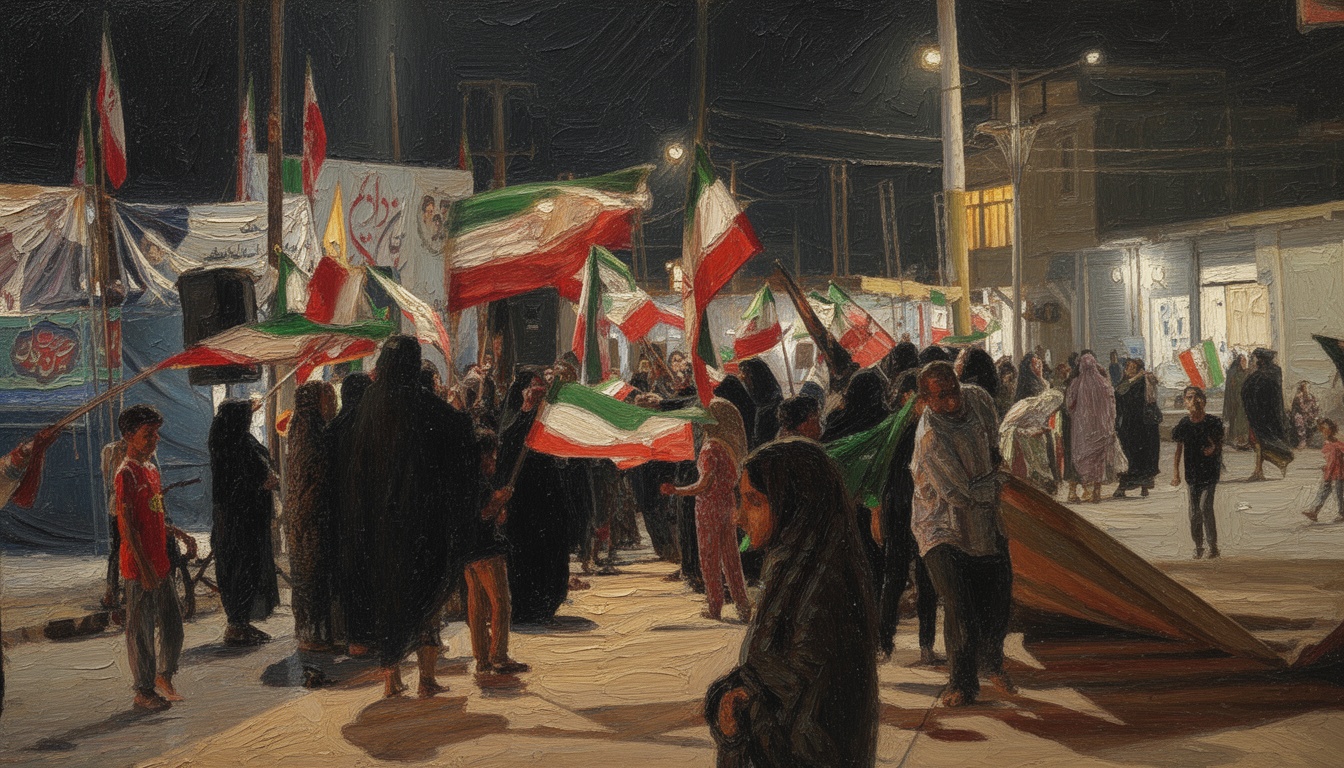
Iran Blocks Strait of Hormuz, Stranding Local Seafarers
Iran's actions in the Strait of Hormuz have significant implications for global oil supply and regional security. The ongoing situation affects not only international shipping but also the livelihoods of local inhabitants.
Iran's strategic blockade of the Strait of Hormuz has directly impacted local seafarers and communities since the US-Israel strikes on Iran began on February 28. This blockade, viewed as a tactical maneuver by Iran, has disrupted global oil supplies, creating reverberations through international markets and heightening tensions with its adversaries. As one of the most vital maritime chokepoints, the Strait remains under heightened scrutiny.
The backdrop to this crisis involves a series of military actions and retaliatory measures that have escalated tensions in the region. The US and Israel's strikes were intended to undermine Iran's military capabilities, while Iran's response included the blockade, signaling a new phase in their ongoing conflict. Maritime safety and regional stability have been profoundly affected, compelling local communities to seek alternatives for their livelihoods.
The operational significance of the Strait of Hormuz cannot be overstated: approximately 20% of the world's oil passes through this narrow waterway. As of June 19, plans are in place for the shipping channel to potentially reopen, which would alleviate some pressure on international oil markets and local economies alike. However, the longer-term implications of Iran's blockade policy are still uncertain, with various stakeholders poised to respond.
Technical assessments reveal that the Iranian military presence in the area includes patrol boats and surveillance platforms, reinforcing their commitment to controlling this strategic passage. The presence of US naval assets nearby further complicates the situation, with both sides on high alert for potential escalatory incidents.
The consequences of the ongoing standoff are likely to reverberate beyond immediate economic impacts. Local communities, whose livelihoods are intertwined with maritime trade, face an uncertain future. Continuing tensions between Iran and Western powers may perpetuate this cycle of blockade and retaliation, leading to heightened instability in the region and ongoing challenges for global energy security.