Iran Buries Ayatollah Ali Khamenei Amid US Conflict Escalation
The burial of slain Ayatollah Ali Khamenei marks a pivotal moment in Iran's political landscape, coinciding with rising tensions with the United States. The leadership vacuum raises questions about the future direction of the Iranian regime.
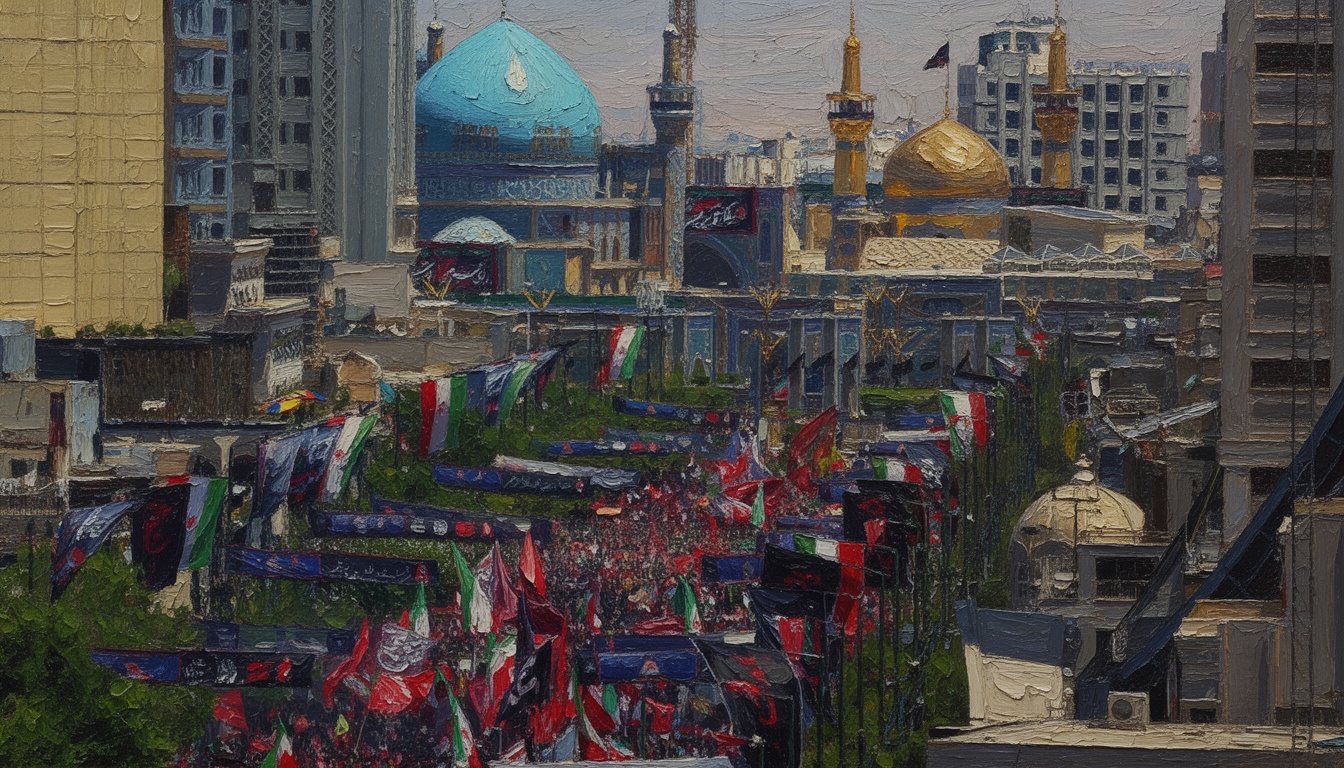
Ayatollah Ali Khamenei, the former ruler of Iran, is set to be buried on Thursday in Mashhad at the country's holiest shrine following a week of mass funeral processions and mourning ceremonies. This ceremony occurs during a period characterized by heightened conflict with the United States, further complicating Iran's political situation.
Since Khamenei's death, thousands have participated in memorial events across Iran, showcasing the strong connections many Iranians felt toward their former leader. These mass gatherings not only highlight the grief felt by the populace but also serve to present a united front amidst external pressures exacerbated by US foreign policy.
Strategically, Khamenei’s death creates a leadership void, leaving questions about the future governance of Iran. Supreme Leader Mojtaba Khamenei, his successor, has not made any public appearances, leading to speculation about internal power struggles and potential shifts in the political landscape.
The Iranian regime, under Khamenei, has significantly invested in military capabilities to deter perceived external threats, particularly from the United States. The funeral ceremonies serve both as national mourning and as a reminder of the regime's commitment to maintain its regional influence and military readiness against adversaries.
Looking ahead, the ongoing conflict with the US, coupled with transitions in leadership, raises critical concerns for Iran's stability and its stance in the Middle East. Analysts will be closely monitoring how these developments impact Tehran's foreign policy and military strategy moving forward.