Iran Conflict Fuels Global Oil Price Volatility
Escalating tensions from the Iran conflict have significant implications for global oil prices, impacting economies worldwide. Analysts warn that continued instability could lead to further price spikes and economic strain.
The ongoing conflict in Iran is causing notable fluctuations in global oil prices, significantly affecting international markets. Recent outbreaks of violence and military engagements have intensified concerns over oil supply disruptions, leading to a sharp rise in prices.
Historically, Iran has been a major player in the global oil market, contributing approximately 5% of the world's total oil supply. The recent hostilities, including military actions and aggressive posturing, have forced traders to reconsider their assessments of risk, leading to a market environment filled with uncertainty.
From a strategic standpoint, the volatility in oil prices has ramifications beyond mere economics; it could influence global geopolitics as nations react to changes in energy costs and supplies. A sustained price surge may prompt nations dependent on oil imports to reevaluate their energy security and diplomatic alignments.
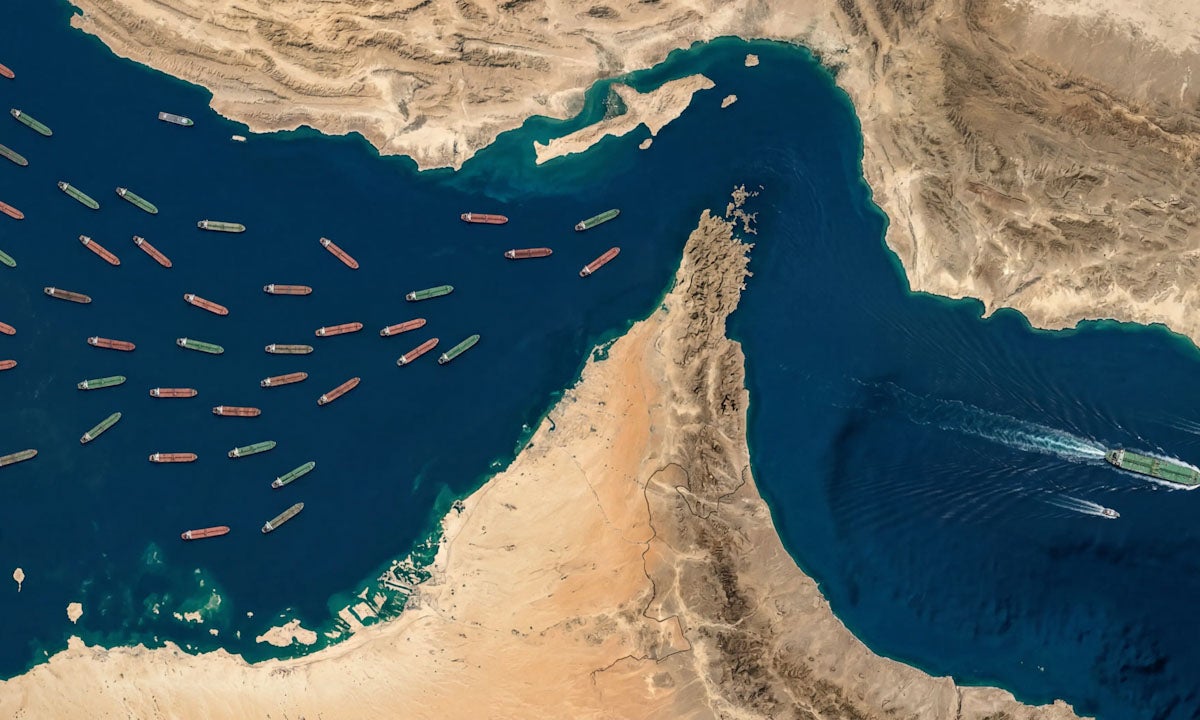
Technically, the Brent crude oil price has surged by nearly 12% over the past two weeks, signaling heightened market anxiety. This escalation could be exacerbated if Iran resumes aggressive military operations in the region or if key trade routes face threats. Energy experts are concerned about drawing in additional regional players into the conflict, which could complicate the geopolitical landscape further.
Looking forward, analysts predict that if tensions persist, global oil prices could remain elevated, impacting inflation rates and economic growth projections worldwide. Economies heavily reliant on oil may encounter significant challenges, necessitating adjustments in fiscal strategies and energy policies to mitigate the fallout from these developments.