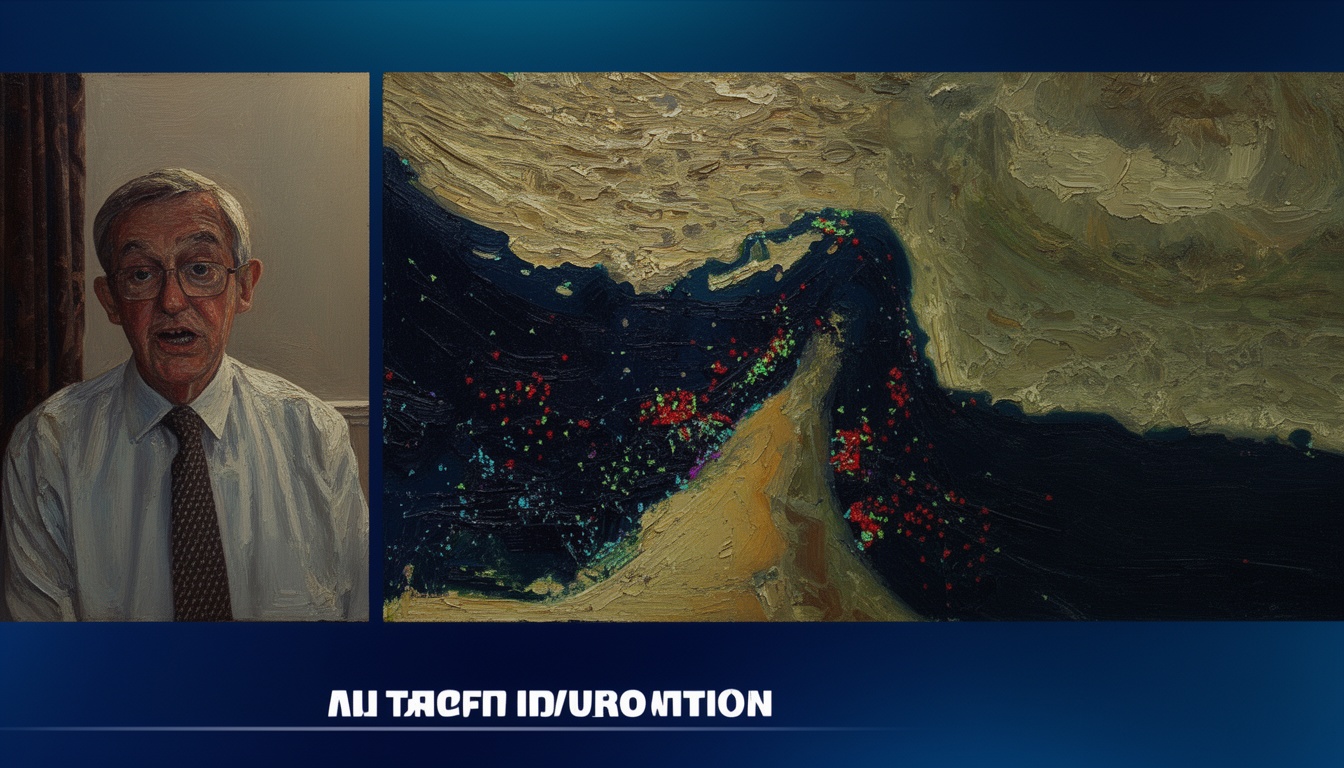
Iran Declares Defiance Against US Naval Blockade Threat
Iran maintains an aggressive stance, rejecting US warnings of economic sanctions. The situation raises concerns about potential escalation in the region.
On Thursday, Iran's Supreme Leader Ali Khamenei proclaimed that the United States had faced a 'shameful defeat', firmly rejecting President Trump's warning regarding the enforcement of a naval blockade. This response suggests a significant escalation in tensions between the two nations, indicating Iran's intent to resist U.S. pressures despite facing economic challenges.
The context of Khamenei's declaration lies in the ongoing geopolitical friction, primarily driven by the United States' withdrawal from the Iran nuclear deal and subsequent sanctions that have severely impacted Iran's economy. Experts warn that these adversities may create further instability in the region, heightening risks for conflict.
Strategically, Iran's refusal to succumb to U.S. pressures is a calculated move to assert its influence in a highly volatile area. Analysts believe that this defiance could embolden Iran's proxies and allies across the Middle East, leading to increased military engagements and further complicating diplomatic efforts.
Specialists highlight that Khamenei's rhetoric aligns with Iran's historical stance of developing deterrence capabilities, aiming to strengthen its military readiness in response to perceived external threats. This includes advancements in missile technology and naval capabilities, signaling a shift towards a more aggressive military posture.
Consequently, the ripple effects of this defiance could lead to heightened confrontations in the region, impacting global oil markets and security dynamics. As tensions grow, the international community must remain vigilant in assessing developments, as miscalculations may trigger a larger conflict involving major powers.