Iran Faces Economic Crisis Amid Ongoing Government Repression
Iran is nearing economic collapse as governmental repression continues unabated. The situation raises questions about external claims of liberation from oppression.
The Iranian regime remains firmly in control as the country navigates an escalating economic crisis marked by hyperinflation and widespread hardship. In recent statements, former US President Donald Trump suggested that external intervention could liberate the Iranian people. However, two months into the ongoing conflict and with continued support for Israel, the regime's grip on power has not wavered.
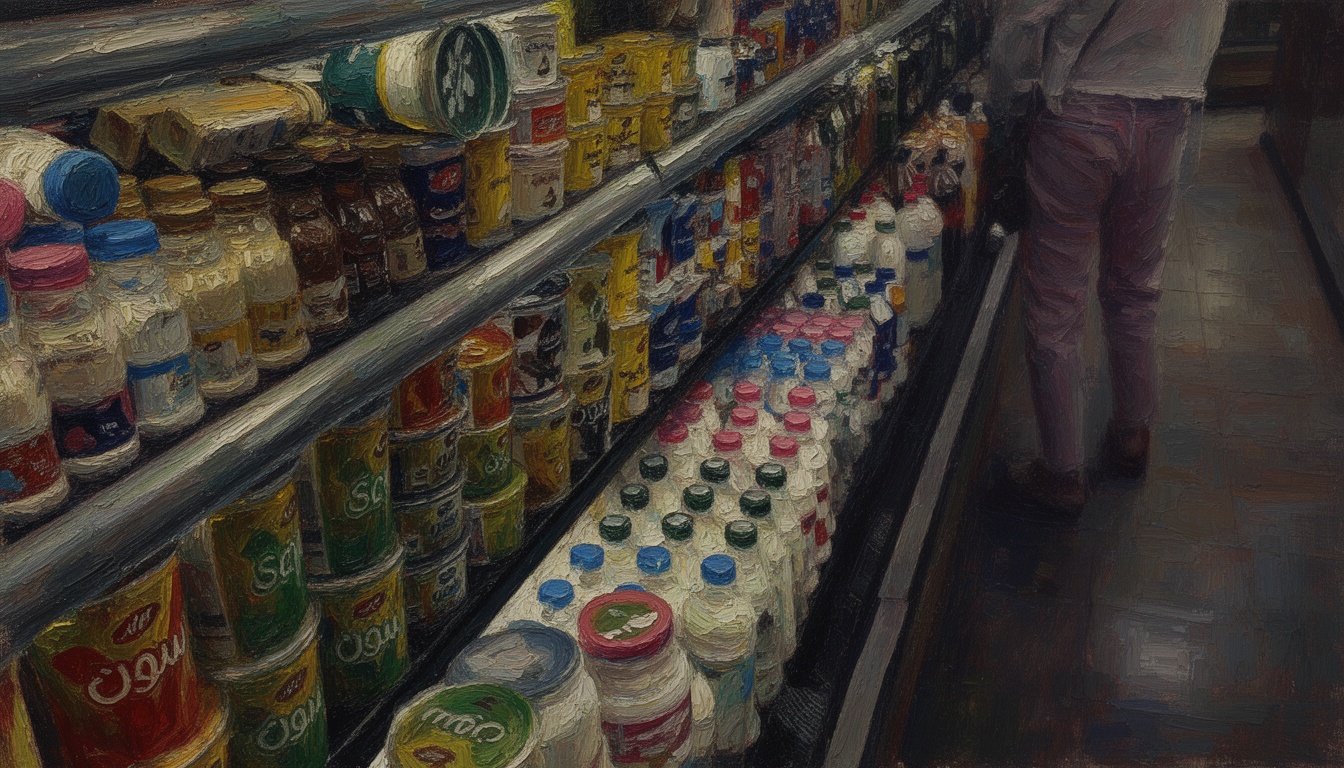
The Iranian economy is suffering from rampant inflation, which has surged to historic levels, drastically affecting the cost of living for ordinary citizens. Reports from Tehran highlight the dire situation faced by the Iranian populace, enduring increasing prices for basic goods and services. This economic strife poses significant challenges for the already beleaguered regime.
Strategically, the situation in Iran remains crucial for regional stability. With tensions high, any significant upheaval could lead to broader implications, not just within Iran, but also for neighboring countries. The Iranian government's capacity to maintain control amidst mounting economic pressures will be critical in the coming months.
As hyperinflation continues, the social fabric of Iran is under strain. The populace's patience may be tested, creating opportunities for dissent and potentially radical movements. It remains to be seen how this situation develops and what impact it will have on the Iranian regime’s stability and authority.
The consequences of the current economic crisis may lead to increased instability in the region and potentially influence international diplomatic efforts toward Iran. Observers are urged to pay close attention to not only economic figures but also any shifts in public sentiment that may arise in response to these ongoing challenges.