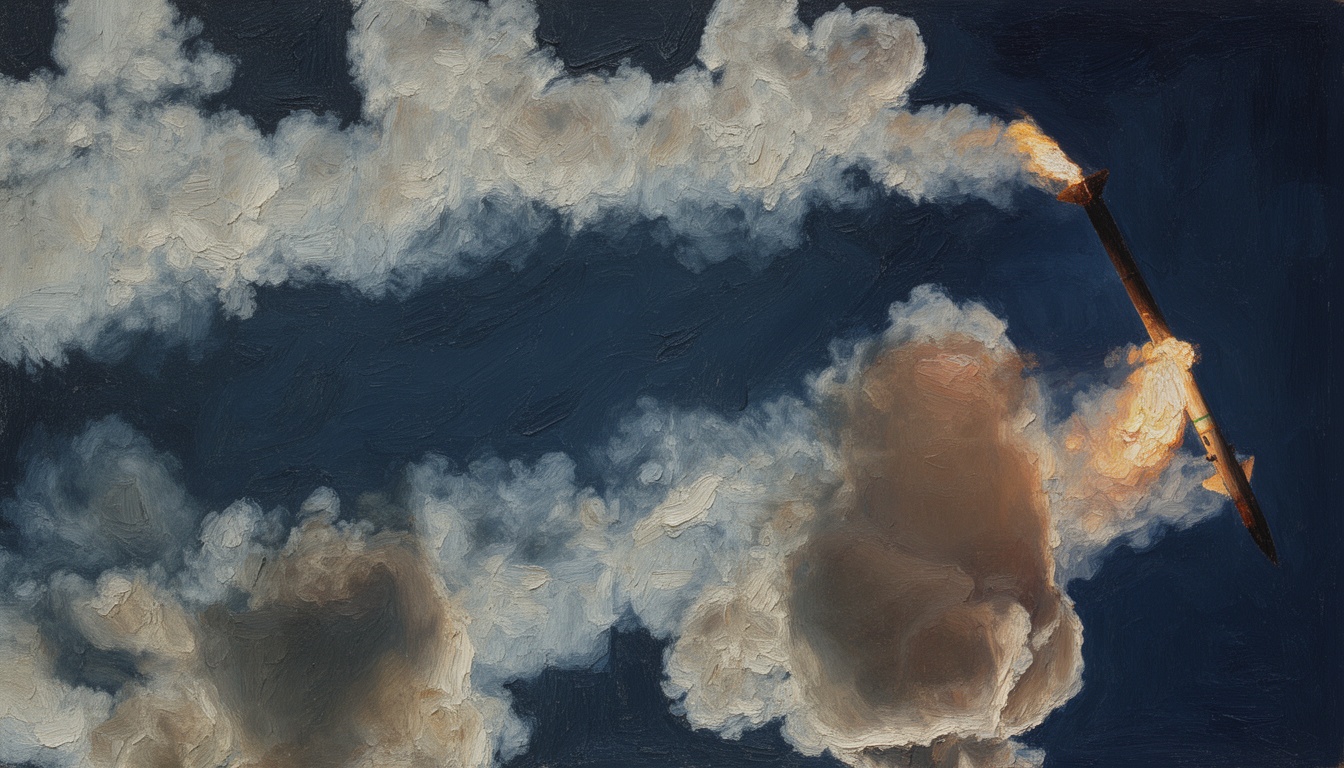
Iran Fires Ballistic Missiles at Israel Amid Escalating Conflict
Strategic tensions rise as Iran launches missiles amid Israeli strikes. Diverging objectives between Trump and Netanyahu could exacerbate regional instability.
Iran has reportedly fired ballistic missiles at Israel, escalating tensions in an ongoing conflict that is affecting regional stability. These missile strikes coincide with Israeli military actions in Lebanon against Hezbollah, indicating a significant shift in the nature of the confrontation. The situation reflects diverging agendas between Israeli Prime Minister Benjamin Netanyahu and U.S. President Donald Trump, who had warned against the strikes on Beirut.
The backdrop of these developments stems from the recent escalation of hostilities sparked by Israel's decision to carry out strikes in Lebanon targeting Iranian-backed Hezbollah militants. This move has provoked a strong response from Iran, marking the first instance of ballistic missiles being launched at Israeli territory since a ceasefire was established in April. The strike signals Iran's willingness to engage in direct military confrontation and heightens the stakes for both nations involved.
Strategically, the missile strikes represent a new phase of conflict that threatens to destabilize the already sensitive dynamics of the region. With Iran demonstrating its military capabilities, both Israel and the United States face increasing pressure to respond or adapt their military strategies. This escalation creates potential for further conflict, as both Netanyahu and Trump may pursue differing paths in addressing the Iranian threat.
Operationally, the ballistic missiles launched by Iran may include a range of systems capable of targeting key Israeli assets, potentially overwhelming Israel's missile defense systems like the Iron Dome. Israel's military response must account for the increased threat level and could involve a more aggressive stance towards Iranian interests in the region. The use of advanced missile technologies indicates a shift in the confrontation's landscape, necessitating a reassessment of military readiness for both sides.
The likely consequences include a cycle of retaliation that could draw in additional regional actors and complicate diplomatic efforts for peace. Trump and Netanyahu’s differing objectives may impede coordinated strategies, leading to an escalation that could spiral out of control. As Iran solidifies its position, regional actors may be forced to reassess their alignments and strategies in response to the shifting balance of power.