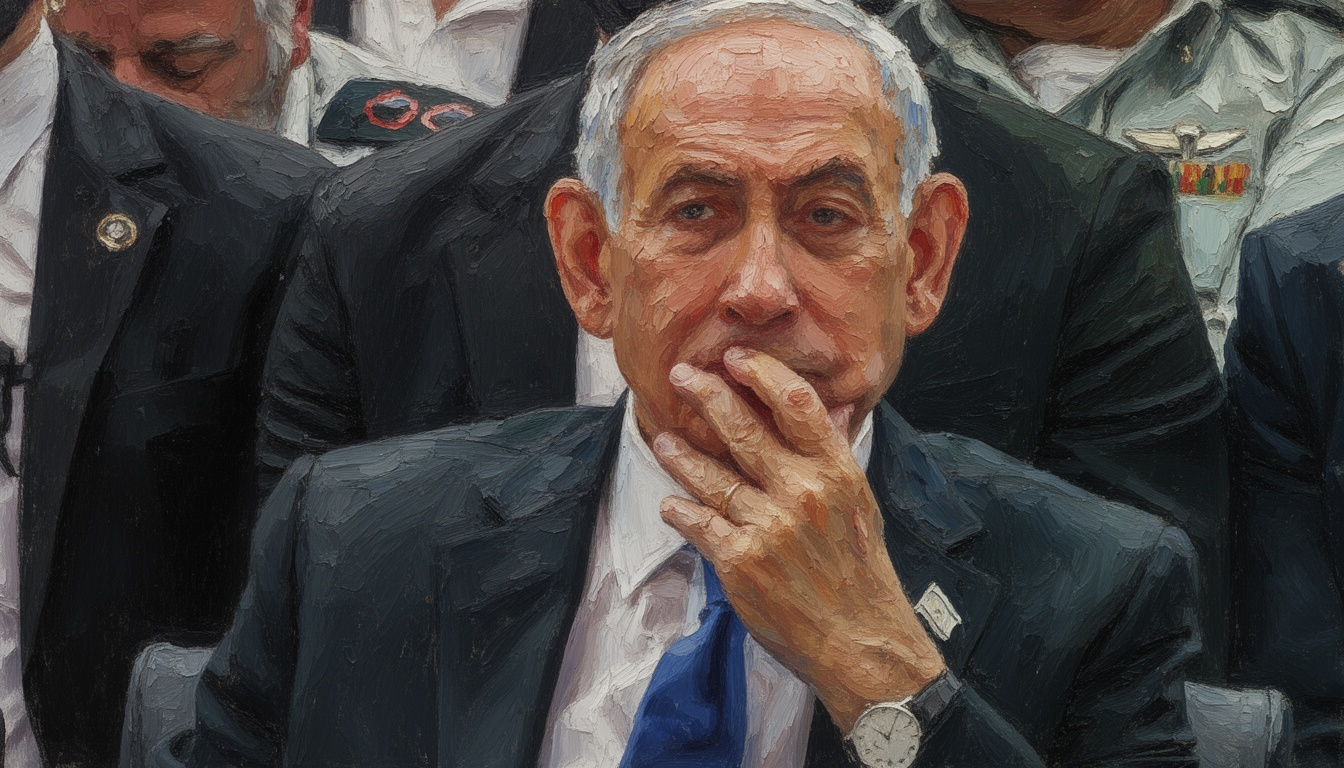
Iran-Israel Hostilities Halt Amid Leadership Crisis
Recent conflicts between Iran and Israel have led to a temporary ceasefire. This development raises questions about the leadership of both Benjamin Netanyahu and Donald Trump amid growing criticism at home.
Following a recent flare-up in hostilities between Iran and Israel, both nations have agreed to pause military actions to avoid jeopardizing the fragile ceasefire that currently exists in the region. This escalation was marked by strikes attributed to Iran and Hezbollah, prompting Israeli responses that have intensified criticism of Prime Minister Benjamin Netanyahu’s leadership. The ongoing conflict has raised doubts regarding Netanyahu's ability to effectively manage military strategies, particularly given the speculation that he may be taking cues from U.S. President Donald Trump.
The historical tension between Iran and Israel has been characterized by occasional bouts of aggressive posturing and military engagements. The current situation represents a critical juncture where both countries are experiencing domestic pressure over their respective leadership decisions. For Netanyahu, the backlash stems from perceived failures in response to Iran’s actions, as he is criticized for appearing to lack independent military strategy and relying too heavily on Trump’s directives.
Strategically, both nations are recalibrating their military engagements in light of the potential implications of this pause. For Iran, this can signify an opportunity to consolidate its influence in the region, while for Israel, maintaining a defensive posture is crucial as regional threats persist. The halt may provide a temporary respite but does not eliminate the underlying tensions that could resurface, since both nations retain a strong interest in asserting their military capabilities.
Operationally, the strikes initiated by Iran and Hezbollah underscore the evolving nature of regional alliances and the complexity of military interactions. Israel has been enhancing its defense mechanisms, aiming for deterrents against Iranian operations in Syria and Lebanon. These developments hold implications for future engagements, particularly with the rise of asymmetric threats posed by groups such as Hezbollah as well as Iran.
In the coming weeks, both leaders will likely face intensified pressure to justify their decisions amid heightened scrutiny. The perception of Netanyahu and Trump as weakened leaders in the face of military challenges could reshape domestic political landscapes, impacting both international relations and internal governance in Israel and the United States.