Iran Transitions from Theocracy to Nationalistic Military Leadership
The death of Ayatollah Ali Khamenei marks a significant shift in Iran's political landscape towards militarization and nationalism. As tensions between the US and Iran escalate, this transition may signal further regional instability.
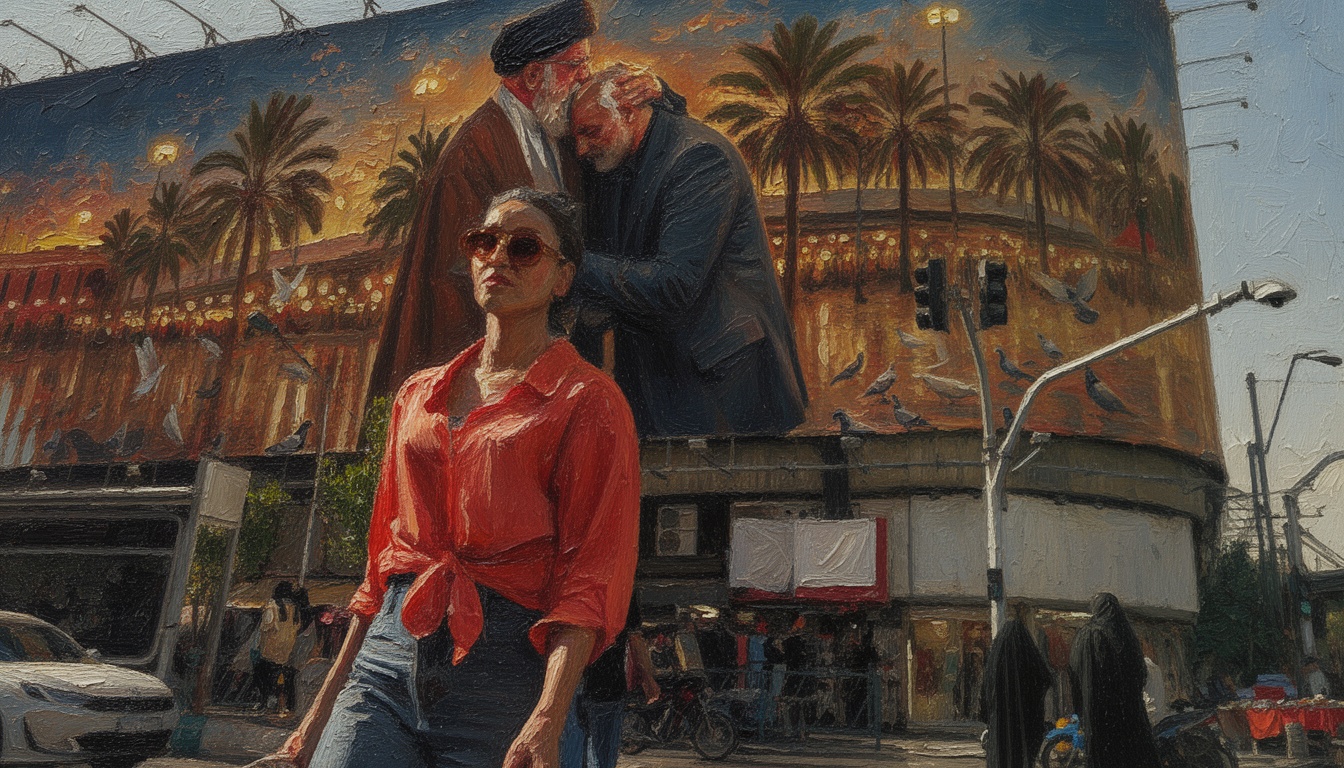
Ayatollah Ali Khamenei's funeral has drawn massive crowds in Iran, culminating in a procession through Mashhad. The event resonates with calls for revenge against the United States and former President Donald Trump, signifying the regime's defiance amid ongoing strikes with US forces.
The past week has seen a blend of mourning and militant fervor, characterized by demonstrators chanting slogans against perceived enemies. The grand funeral procession is not only an emotional farewell to Khamenei but also a strategic display of the regime's strength and resilience, indicating a shift towards a more militant governance model.
This shift implies a growing reliance on military leadership within Iran, paralleling a rise in nationalist sentiments which may unify the population against external threats. Analysts warn that this change could exacerbate tensions in an already volatile Middle East, where US-Iran relations are at a historic low.
Iran's military capabilities, particularly the Islamic Revolutionary Guard Corps (IRGC), are likely to see increased influence in domestic and foreign policy. The IRGC's operations have expanded over the years, and their role may intensify as the regime consolidates power in the absence of Khamenei.
As the funeral concludes, the potential for increased militant activities and calls for action against adversaries could reshape Iran's regional strategy. This pivot towards military nationalism might suggest a more aggressive stance in diplomatic negotiations and a heightened threat to US interests in the region.