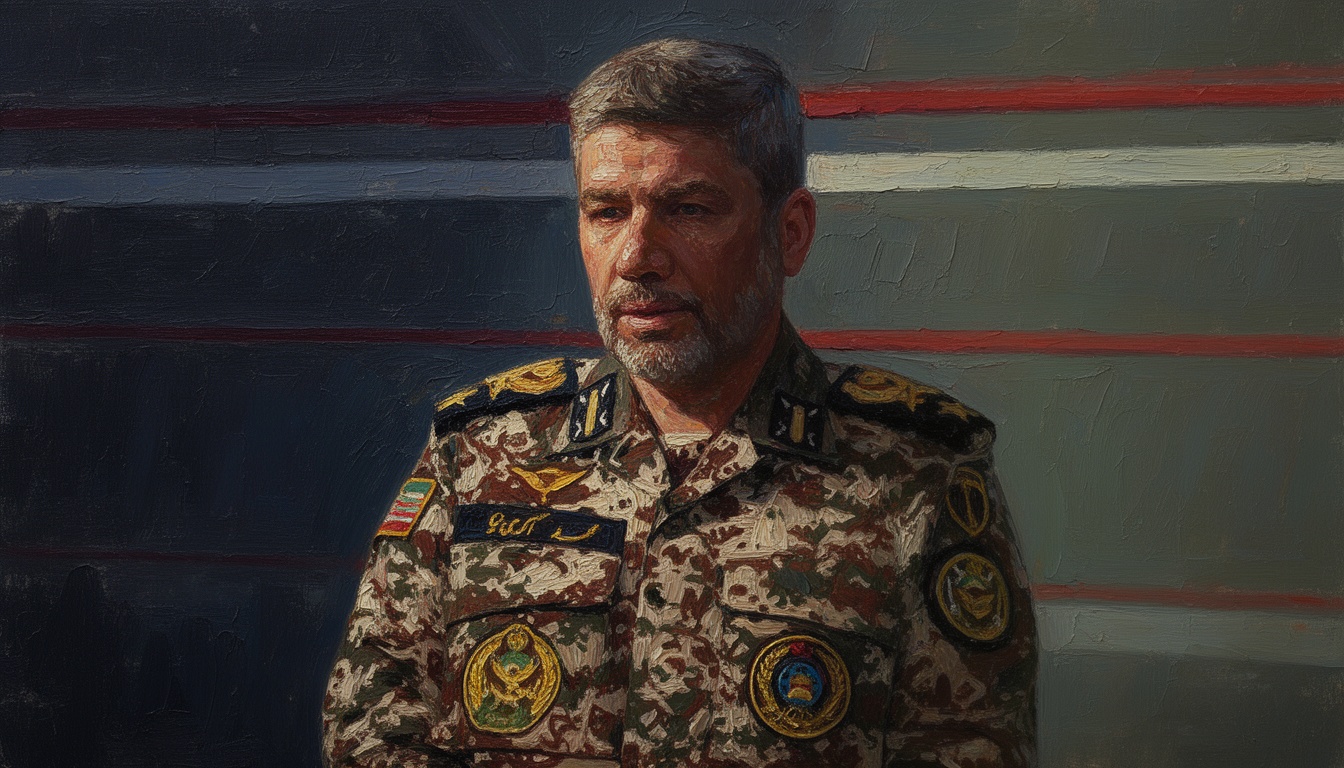
Iran Warns War Could Escalate If US Strikes Continue
Iran's military signals heightened tensions amid Netanyahu's US visit. Potential for conflict expansion looms as retaliatory operations indicate a fragile status quo.
Iran's military has issued a stark warning regarding the potential escalation of conflict in the Gulf as Prime Minister Benjamin Netanyahu prepares for his visit to the United States. The Iranian military states that it has halted retaliatory operations in the region, yet emphasizes that continued US strikes could provoke a broader war. This declaration intensifies the already precarious situation, potentially drawing in multiple players into a larger conflict.
The backdrop of this warning comes following a series of alleged US airstrikes that have raised concerns among Iranian officials. Iran’s military leadership has consistently voiced its readiness to respond to aggression, asserting that any further actions by the United States will be met with decisive countermeasures. In recent weeks, Iran has been engaged in regional military maneuvers, showcasing its capabilities and resolve.
The strategic significance of this situation cannot be understated. Netanyahu's visit to the US is likely to focus on strengthening military cooperation, particularly regarding the Iranian threat. Iran perceives such interactions as a challenge to its sovereignty and security, increasing the likelihood of retaliative actions. This situation could lead to an escalation that affects not only the Gulf states but also broader geopolitical alignments.
Operationally, Iran’s military has been reinforcing its forces along critical maritime routes and enhancing its anti-access/area denial (A2/AD) capabilities to address perceived threats from the US Navy. The Iranian Navy, utilizing vessels such as the Jamaran-class destroyers, is on high alert as it prepares for various scenarios, which could include direct confrontations or asymmetric warfare tactics.
In light of these developments, observers must consider the implications for regional security. Should hostilities resume, the Gulf region could witness a significant rise in militarized responses, disrupting commercial shipping routes and escalating tensions among neighboring nations. International stakeholders should remain vigilant to mitigate further escalation, as the fragile ceasefire in the Gulf is increasingly threatened.