Iranian Oil Tankers Seek Refuge in Pakistan Amid US Blockade
Iranian tankers signal Karachi as US oil sanctions are enforced. This strategic move highlights the shifting dynamics of energy shipping routes in response to geopolitical pressures.
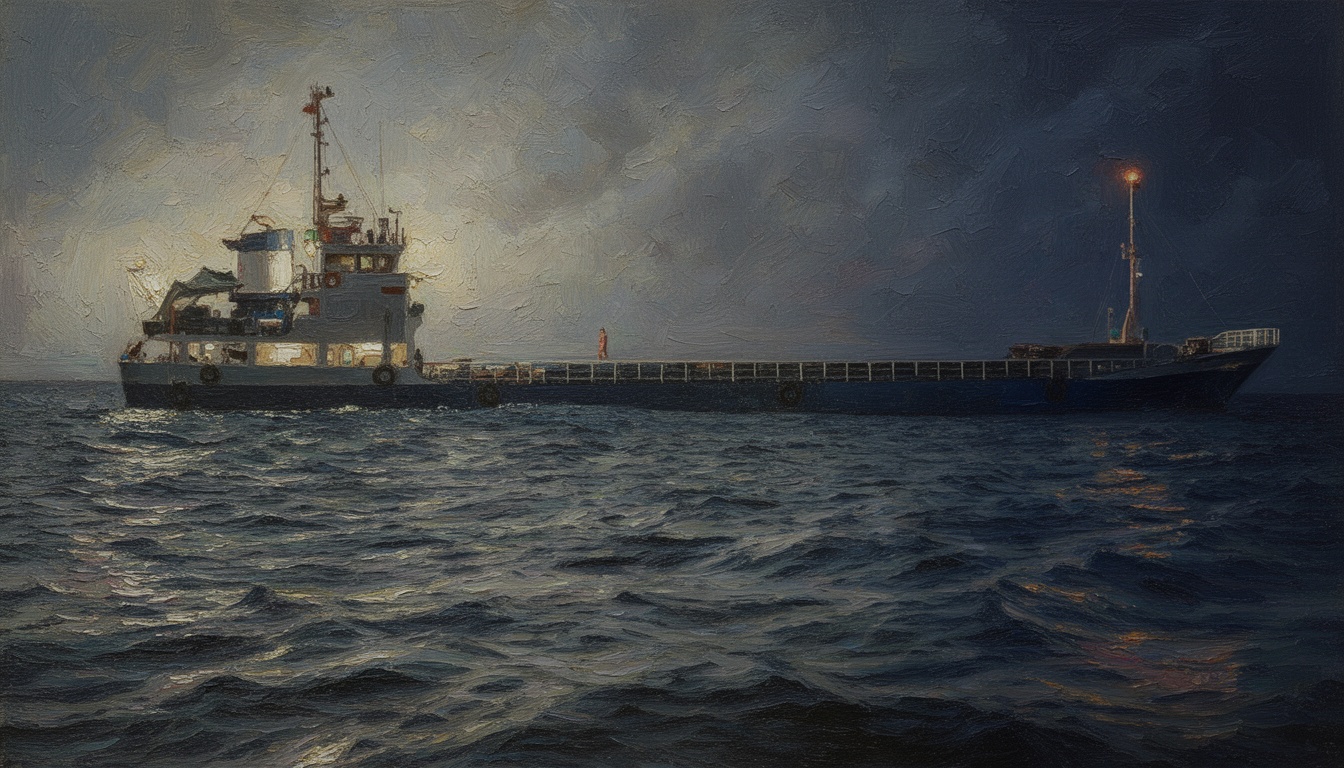
Two tankers transporting a total of 1 million barrels of Iranian crude oil have changed their destination signals to Karachi, Pakistan, suggesting a strategic pivot amidst escalating US sanctions. The vessels, named Rani and Amil, were already positioned outside the Persian Gulf when the United States reinstated its naval blockade on Iranian shipping on Tuesday.
This development marks an unusual shift, as maritime shipping routes are traditionally influenced by political climates and security assurances. The change in course towards Pakistan indicates that these tankers are likely seeking a safer port to avoid potential confrontations or penalties imposed by US maritime security personnel.
Strategically, this move could impact regional oil shipping dynamics, as Iran looks for alternative routes to maintain its oil exports in the wake of intensified US efforts to cut off its oil revenue. Pakistan's Karachi port may serve as a temporary haven, though the long-term implications for both countries could be significant.
From a technical perspective, the Rani and Amil tankers are equipped to carry large quantities of oil, with combined capacities reflecting the scale of Iran's oil production capabilities. These vessels' navigation choices are essential, as US naval operations continue to monitor and enforce restrictions in the region, complicating Iranian oil transport logistics.
The broader implications of this development could lead to increased tensions in the region as Iranian oil shipments become more reliant on alternative routes. Pakistan’s reception of these tankers could also influence its relations with the US, particularly regarding its own navigation and shipping policies in the face of US-led sanctions against Iran.