Iranian Supreme Leader Khamenei Killed in Airstrike Amid Conflict
The death of Ayatollah Ali Khamenei raises significant geopolitical tensions. His loss could alter Iran's strategic approach in the ongoing conflict with the US and Israel.
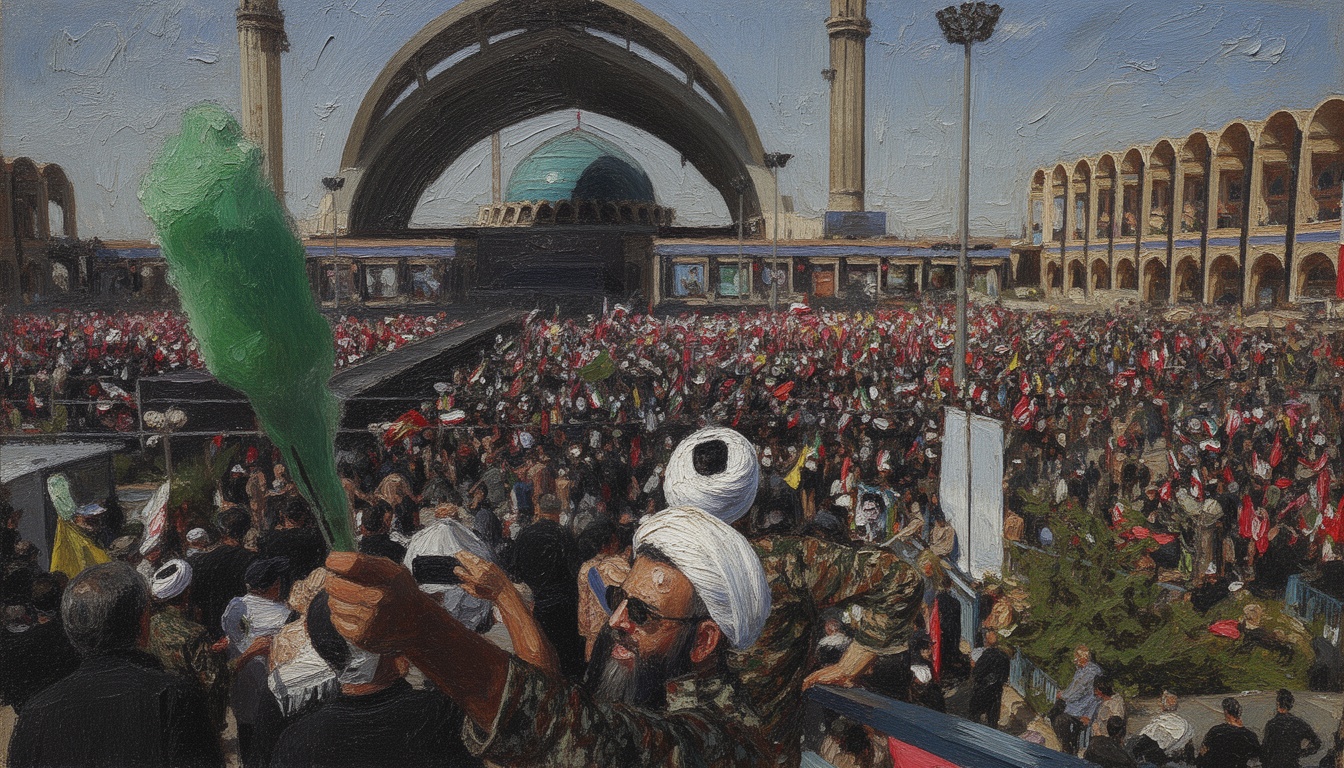
Ayatollah Ali Khamenei, the Supreme Leader of Iran, was killed on Saturday in an airstrike that marked a new escalation in the ongoing conflict between the US, Israel, and Iran. The 86-year-old leader's death has triggered a mass outpouring of grief, with thousands attending his funeral rites in Tehran, which include a week-long series of ceremonies at a vast prayer complex.
Khamenei's role as Supreme Leader since 1989 positioned him as a major figure in Iran’s foreign policy and internal governance. His leadership influenced the country’s stances on pivotal issues, including nuclear development and regional military engagements. The sudden loss of such a key figure raises questions about Iran's future direction, and highlights the fragile political landscape in the country.
Strategically, Khamenei’s death could embolden various factions within Iran, potentially leading to shifts in alliances and military decisions amid the ongoing US-Israeli hostilities. The power vacuum created could provoke internal disputes among hardline and more moderate elements, affecting Iran’s response to external threats.
Operationally, the airstrike that killed Khamenei reportedly involved precision munitions, underscoring the elevated military capabilities of the attackers. Observers suspect advanced drone or missile technology may have been utilized, reflecting a new level of sophistication in the region's conflict dynamics, particularly given the complexity of targeting high-profile individuals.
In the coming weeks, regional security observers will closely monitor Iran's response. An escalation of hostilities could ensue, particularly if hardline elements seek to retaliate against perceived aggressors, thus further destabilizing an already volatile situation in the Middle East.