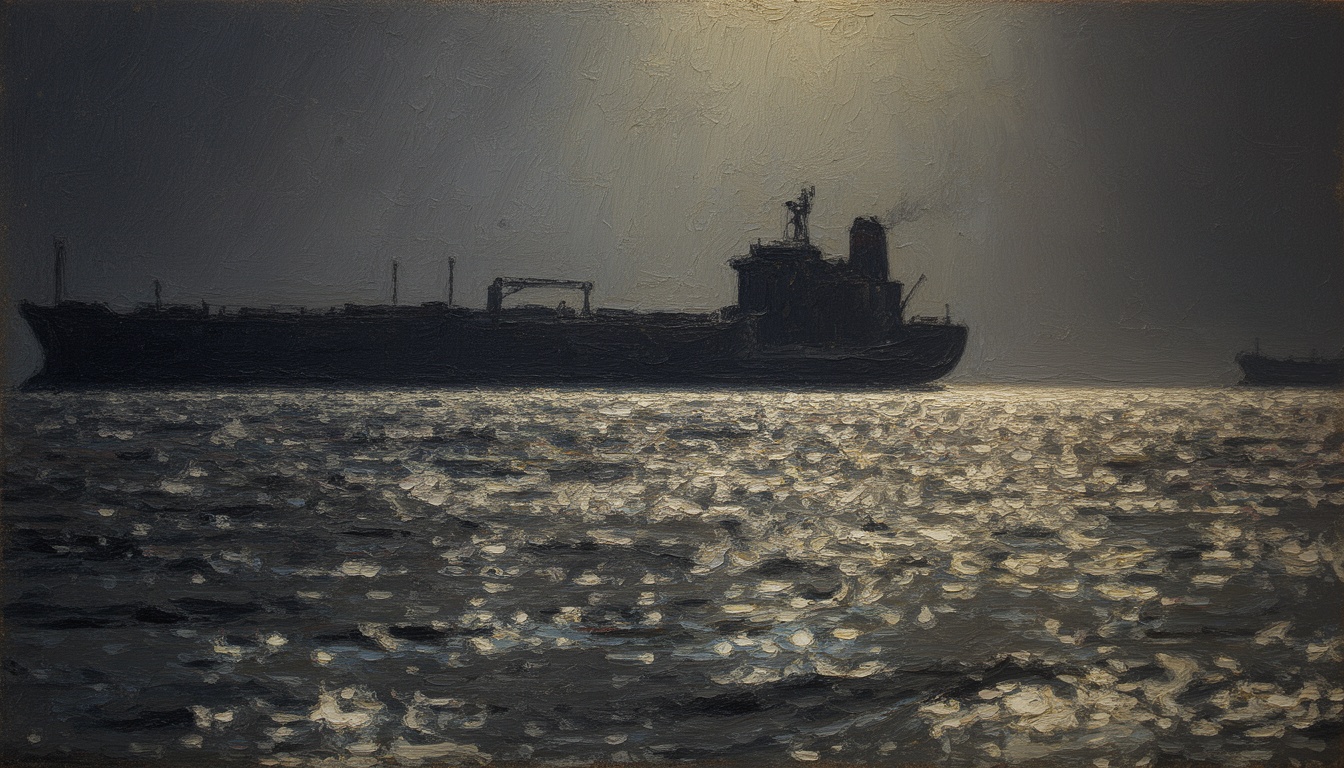
Iranian Tankers Traverse US Military Blockade in Gulf of Oman
The passage of three Iranian tankers highlights rising tensions in the Gulf region. This indicates a potential challenge to US dominance in maritime security in the area.
Three Iranian tankers laden with crude oil have successfully passed through the US military blockade in the Gulf of Oman. According to ship-tracking data, these vessels made their way past the designated blockade line without interception. This event marks a significant moment in the ongoing maritime tensions between Iran and the United States.
Background context shows that the US has maintained a military presence in the Gulf of Oman aimed at ensuring maritime security and curbing illegal oil exports from Iran. The last reported significant movement occurred on October 10, 2023, when the tankers were identified moving towards international waters. Iran has increasingly challenged US measures that seek to restrict its oil trade, asserting its rights to free navigation and trade.
The strategic significance of this development is profound. It illustrates Iran's intent to bypass US restrictions and reinforces the assertion of its maritime rights in the Gulf, a critical pathway for global oil transportation. The US's inability to intercept these tankers raises questions about the effectiveness of its naval blockade and the overall security dynamics in the region.
Operationally, the tankers involved are likely to be utilizing advanced navigation technologies to evade potential monitoring and interception by US forces. The specific identities and capacities of the vessels indicate that they are part of a broader network of oil transportation that Iran employs to sustain its economy despite sanctions. Prior reports suggested Iran has been increasing its operational capacity in bypassing maritime restrictions.
The consequences of this event could escalate tensions further, as it demonstrates Iran's resilience in maintaining its oil exports despite international pressure. This development may trigger a re-evaluation of the US naval strategy in the Gulf and could provoke retaliatory measures from Washington. Analysts predict that ongoing confrontations will likely dominate the discourse in the region moving forward.