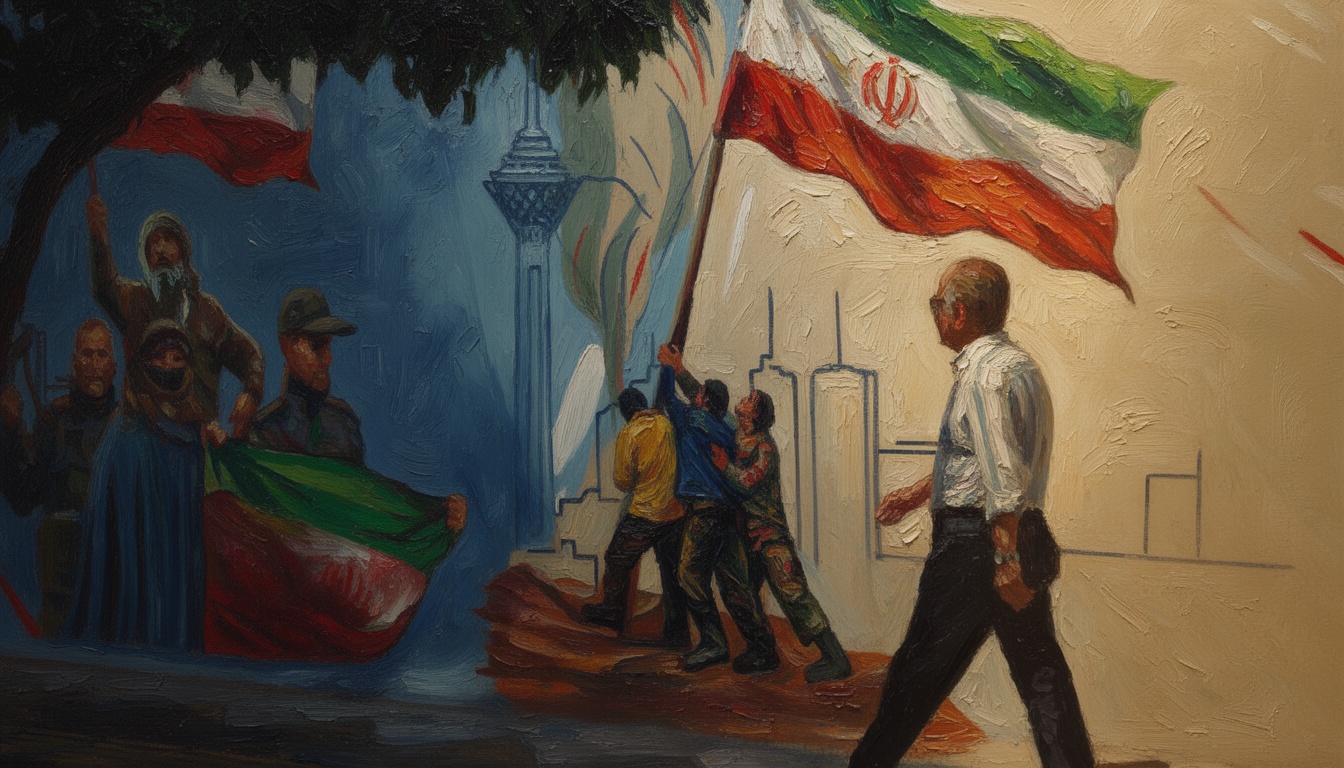
Iranian Tensions Rise as US Rejects Counterproposals
Iranian leadership expresses disregard for US dissatisfaction, raising war concerns. A potential ceasefire remains tenuous amid stalled negotiations.
Amid escalating tensions, Iran's leadership has publicly stated its indifference to US dissatisfaction concerning proposed negotiations. Former President Donald Trump's recent rejection of Iran's counterproposals has left diplomatic dialogues faltering. Tehran asserts that it will not yield to US demands, particularly regarding uranium enrichment and the transfer of its reserves.
The US had previously indicated a willingness to lift certain sanctions and release frozen assets, contingent on Iran ceasing uranium enrichment activities. This situation has resulted in a prolonged stalemate, with both sides remaining entrenched in their positions. Increased rhetoric from Tehran indicates a commitment to enriching uranium, compounding fears of potential military escalation in the region.
Residents in Tehran voice their worries about the conflict's potential extension, emphasizing anxieties about the current ceasefire's fragility. While the government assures citizens of its strategic decisions, many remain skeptical and fearful of a return to active hostilities. Reports suggest that civilian morale is waning as military exercises become more frequent, reflecting a normalization of conflict apprehension.
The Iranian Revolutionary Guard has reportedly increased its operational readiness amid these developments. Military units have conducted drills aimed at showcasing Iran's defensive capabilities, reinforcing deterrence against perceived threats. These actions coincide with regional assessments indicating a rise in potential military confrontations should diplomatic remedies falter.
The implications of a procedural breakdown are grave. Regional stability hangs in the balance, with international observers monitoring the situation closely. Should negotiations collapse entirely, the potential for conflict escalation could lead to a renewed humanitarian crisis and significant geopolitical ramifications, drawing in neighboring states and global powers alike.