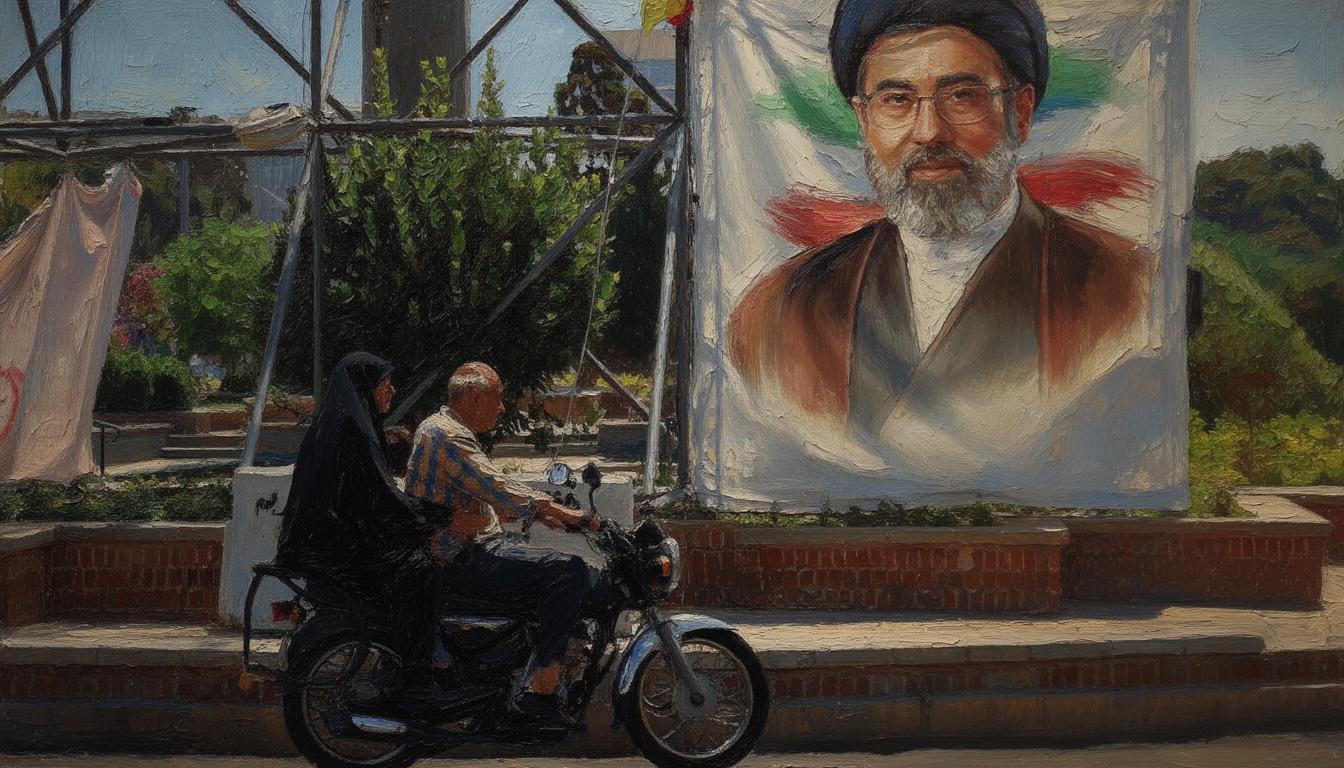
Iran’s Leader Absence Signals Possible Shift in Power Dynamics
Mojtaba Khamenei’s absence raises concerns over his health and future role. This event may mark a turning point in Iran's leadership dynamics following the death of Ali Khamenei.
The absence of Mojtaba Khamenei from the recent funeral of his father, Ali Khamenei, has sparked significant speculation regarding his health and the potential for political instability within Iran's leadership. The funeral, a highly publicized event, took place after Ali Khamenei was reportedly killed on February 28 in an airstrike during the onset of a US-Israeli conflict with Iran. Key political figures, military leaders, and international representatives attended this solemn occasion in Mashhad, underscoring the importance of the Khamenei lineage in Iranian politics.
Ali Khamenei's death has left a power vacuum that many observers believe Mojtaba Khamenei may not be ready to fill, especially given the circumstances surrounding his absence. Observers note that his purported absence raises questions about his ability to command the same level of authority and influence as his father. The perceived risks of assassination and concerns about his health may heavily influence his future role and capabilities as the potential Supreme Leader.
This situation poses strategic implications for both Iran and its adversaries. Already tensions in the region have escalated following Ali Khamenei's demise, as military operations and retaliatory strikes have commenced. The leadership transition in Iran could significantly alter the approach to both domestic governance and foreign policy, particularly in areas of military engagement with hostile nations.
In terms of military and political operations, the recent airstrike that killed Ali Khamenei highlights the precariousness of Iran's position amid rising threats. Reports indicate that Iran's military response capabilities, including its ballistic missile systems, are under scrutiny as the possible emergence of a new leadership challenges traditional methods of deterrence against adversaries.
As Iran navigates the uncertain political landscape following the funeral, Mojtaba Khamenei's decisions will likely hinge on consolidating power and establishing legitimacy. His upcoming actions in the context of both domestic authority and international relations will determine the future trajectory of the Iranian state in this tumultuous period.