Iran's Missile Capabilities Under Adverse Conditions Examined
Ongoing long-range missile strikes from Iran highlight significant military considerations. Key insights reveal the need for robust air defenses and the risks associated with diminishing missile stockpiles.
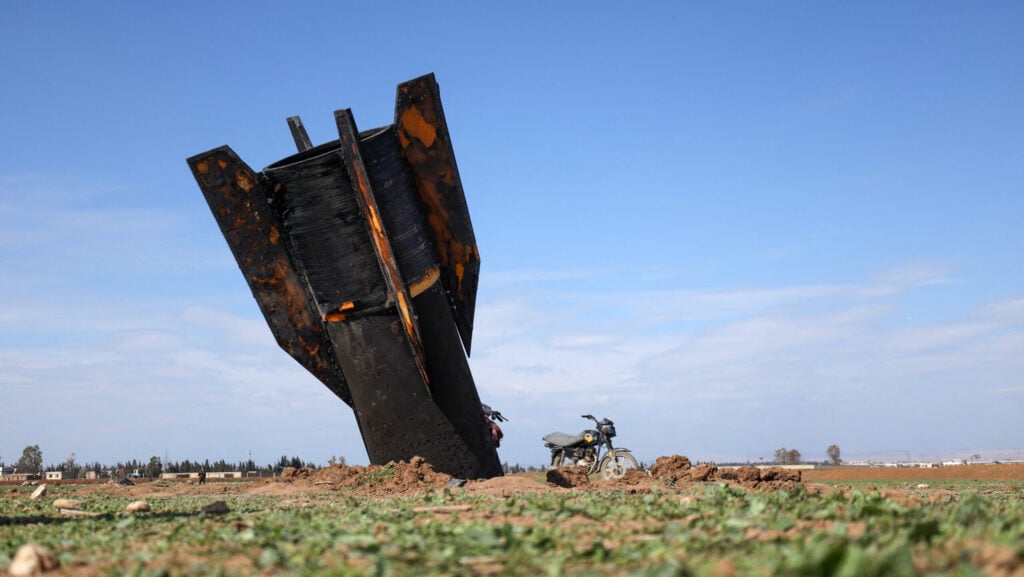
Iran's long-range missile campaign has now exceeded ten weeks, intensifying the focus on its military capabilities and strategic considerations. The war has revealed critical vulnerabilities and strengths in Iran’s missile strategy, which carries implications for regional stability and defense policies among neighboring nations.
The ongoing conflict necessitates a robust air defense system to protect critical infrastructure and military assets from missile strikes. As Iran continues its long-range operations, the effectiveness of current air defense measures is under scrutiny, with calls for enhancements to better counter potential threats.
Moreover, the war has raised concerns about the sustainability of Iran’s missile stockpiles. Reports indicate that prolonged engagements are depleting resources at a pace that may compromise long-term operational capabilities. The potential for dwindling stockpiles could influence future military engagements and Iran's deterrence strategy.
Strategically, these developments underscore the need for increased vigilance from regional powers. Military planners must assess adaptations in operational strategy to address the evolving threat posed by Iranian missiles. This reality drives NATO and allied nations to reinforce defensive measures and consider increased cooperation in missile defense systems.
In conclusion, the implications of Iran's missile strategy and its impact on regional security cannot be overstated. The situation demands close monitoring as military capacities evolve, indicating a pressing need for both diplomatic and military responses from other states to counteract potential aggressions.