Iran's Navy to Remain Unreconstructed for 5 to 10 Years
CENTCOM reports that Iran is unable to support its proxy forces. Hamas, Hezbollah, and the Houthis are currently cut off from Iranian weapons supply.
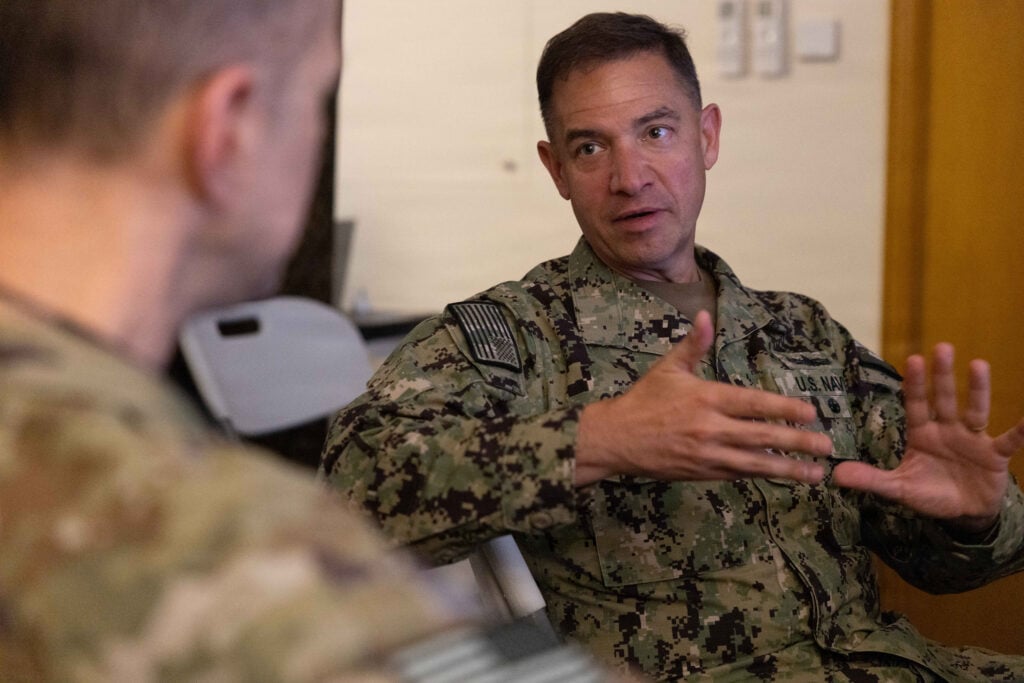
The United States Central Command (CENTCOM) has reported that Iran's Navy will not undergo reconstruction for a period of 5 to 10 years. This significant timeline indicates a major backlog in Iran's naval capabilities and reflects ongoing strategic challenges faced by the Islamic Republic. According to Admiral Brad Cooper, current limitations are severely impacting Iran's ability to project power through its military naval assets.
In a briefing with the Senate Armed Services Committee (SASC), Admiral Cooper stated, 'Today, Hamas, Hezbollah, and the Houthis are all cut off from Iran’s weapons supply and support.' This situation illustrates how external sanctions and military pressures have limited Iran's influence over its regional proxies. The severed lines of supply further hinder these groups' operational capabilities as they navigate increasing confrontations in their respective theaters.
The strategic significance of this development lies in the altered balance of power in the Middle East. With Iran unable to provide robust military backing, proxies like Hamas and Hezbollah may be less capable of conducting coordinated attacks against Israel, and the Houthis may struggle to sustain prolonged conflicts against Saudi-led coalitions. As a result, this could lead to shifts in regional dynamics, with efforts by adversaries potentially gaining momentum.
From a technical perspective, the Iranian Navy has faced numerous challenges, including aging vessels and limited modern warfighting capabilities. These factors contribute to its inability to support proxy operations effectively. The reported timeframe for naval reconstruction underscores the economic strains and technological deficits that Iran is currently grappling with amid international sanctions and resource allocation issues.
In summary, the inability of Iran to rehabilitate its naval forces and support proxy groups is likely to impact its influence in the region. The increasing isolation of these proxies may lead to a reassessment of military strategies among regional adversaries. As a consequence, future engagements in the Middle East could evolve significantly in response to Iran’s diminished capacity to back its allies militarily.