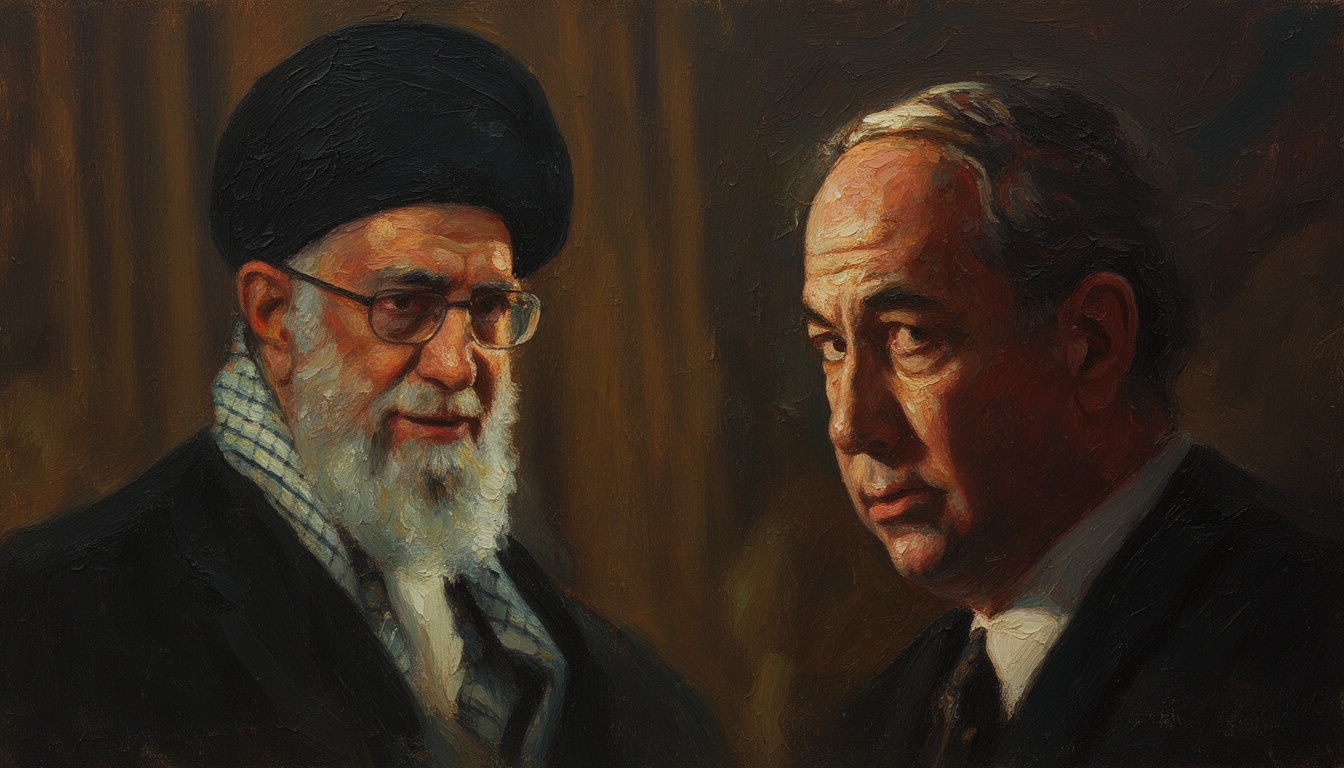
Iran's Rivalries Fueling Potential Conflict
Iran's history of internal strife and external tensions has led to a volatile situation. The implications of these dynamics are significant for regional security and global stability.
Iran is facing escalating tensions driven by a complex web of historical rivalries and miscalculations, which have cultivated a battleground that could ignite into full-scale conflict. Key internal and external players have contributed to the volatile atmosphere, with recent provocations intensifying the situation. These tensions not only threaten Iranian stability but also pose risks to neighboring countries and international markets.
Historically, Iran's geopolitical ambitions have often led to friction with regional adversaries, particularly Saudi Arabia and Israel. The ongoing rivalry, marked by proxy conflicts and strategic alliances, has created an environment ripe for miscalculations. The fraying relations between Iran and the United States further complicate an already volatile scenario, as diplomatic efforts continue to falter amidst mutual distrust.
The strategic significance of Iran's situation cannot be understated. With a population exceeding 80 million, Iran has significant regional influence, especially in Iraq, Syria, and Lebanon through its support of various militia groups. Should conflict arise, the potential for a wider regional war could drastically alter the balance of power in the Middle East.
Recent military developments in Iran, including advancements in drone technology and missile capabilities, reflect the nation's intent to project power both regionally and globally. The Iranian military, bolstered by asymmetric warfare tactics, poses a challenge to any potential adversary, creating concerns for U.S. allies in the region.
As pressure mounts from both external sanctions and internal dissent, the likelihood of conflict increases. The international community must remain vigilant, as miscalculations on either side could lead to an escalation that no party desires. The path forward remains fraught with challenges, requiring nuanced understanding and cautious diplomacy.