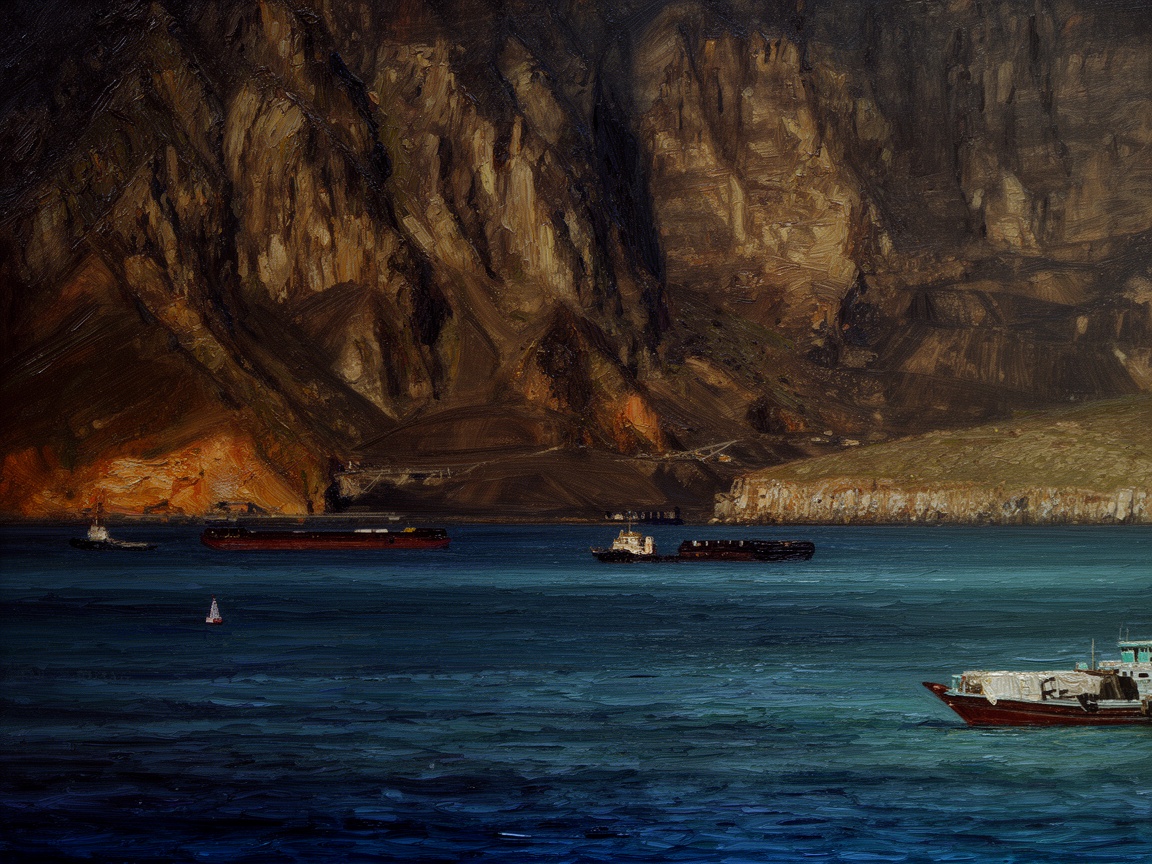
Iran's Shadow Fleet Evasive Tactics Defy US Naval Blockade
Iran continues to successfully navigate the US naval blockade in the Strait of Hormuz. The use of deceptive tactics, including false flags and unmarked vessels, highlights strategic maritime challenges.
Iran's shadow fleet has effectively circumvented the US naval blockade in the Strait of Hormuz by employing evasive tactics such as using fake flags and dark ships. These strategies have allowed Tehran to continue its maritime operations despite significant American military presence in the region, raising concerns about security in vital shipping routes.
The Strait of Hormuz is a critical chokepoint for global oil shipments, with about 20% of the world's oil passing through. The US has intensified its naval patrols in the area to deter Iranian oil shipments, particularly targeting those allegedly linked to sanctions evasion. However, Iran's shadow fleet has adapted, relying on logistical and operational deception to maintain its trade routes.
Strategically, this maneuvering poses severe challenges for US naval capabilities and the broader regional security architecture. The effective deployment of shadow fleets complicates surveillance and intelligence operations, potentially leading to increased tensions among regional powers and impacting global energy markets.
Technically, the shadow fleet utilizes a range of vessels that are often painted in dark colors to avoid detection. They also switch flags frequently to create confusion and minimize the risk of interception. This adaptability requires the US to employ more sophisticated detection and monitoring systems, further straining resources.
The implications of these developments are profound. If Iran continues operating its shadow fleet without significant repercussions, it will embolden other actors to pursue similar tactics. This trend may lead to increased military confrontations in the region, challenging established norms of maritime conduct and raising the stakes for global producers reliant on secure shipping lanes.