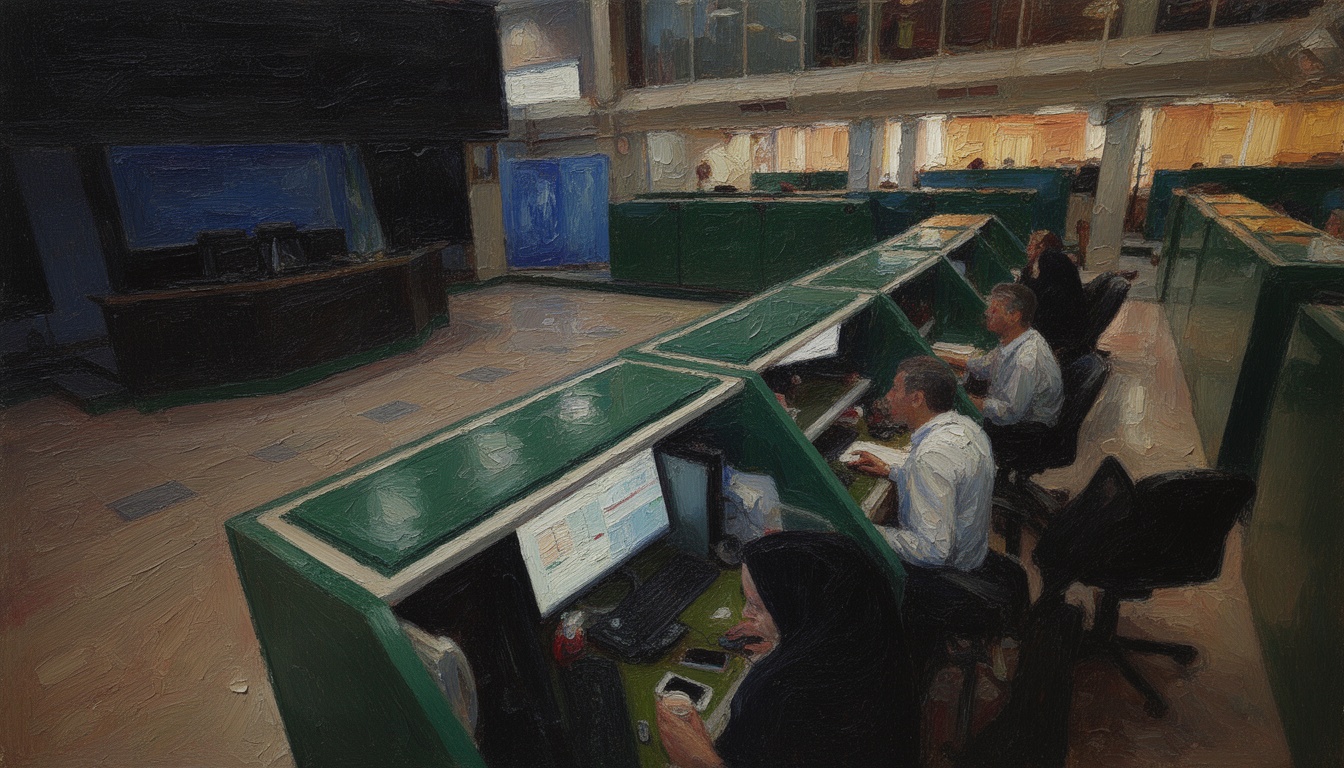
Iran's Stock Market Reopens After Extended Shutdown
The Iranian stock market has resumed trading after a prolonged closure. However, stocks from companies affected by US and Israeli strikes remain inactive.
The Iranian stock market has implemented a controlled reopening after a lengthy shutdown, which lasted several months due to various economic pressures and geopolitical tensions. This reopening marks a significant step for investors who have been unable to trade during this period, impacting liquidity and investment confidence in the region.
Despite the reopening, stocks belonging to companies severely impacted by recent US and Israeli military actions, particularly in the energy and steel sectors, did not participate in the trading resumption. The absence of these key players signals ongoing instability and may reflect concerns regarding the future operational capabilities of these firms.
The strategic implications of this reopening extend beyond Iran's borders, as the stock market's performance is closely linked to regional economic health. Investors are watching closely to assess how the return to trading may affect Iran's overall economic resilience amid worldwide sanctions and increasing tensions with Western powers.
Trade activity will remain limited if critical sectors do not return to the market. Energy companies and steel firms, significant contributors to Iran's economy, are under severe pressure, and their absence from the market could stymie broader economic recovery efforts.
Looking ahead, the implications of this reopening and the exclusion of affected companies will be crucial for investor sentiment in Iran. The effectiveness of governmental measures to stabilize the market and reassure investors remains to be seen, as the internal and external tensions continue to pose challenges to a fully functional stock market.