Iran’s Supreme Leader Takes Active Role in Nuclear Talks
Iran’s agreement to discuss sensitive nuclear aspects marks a crucial development. This shift may impact international diplomatic efforts regarding its nuclear program.
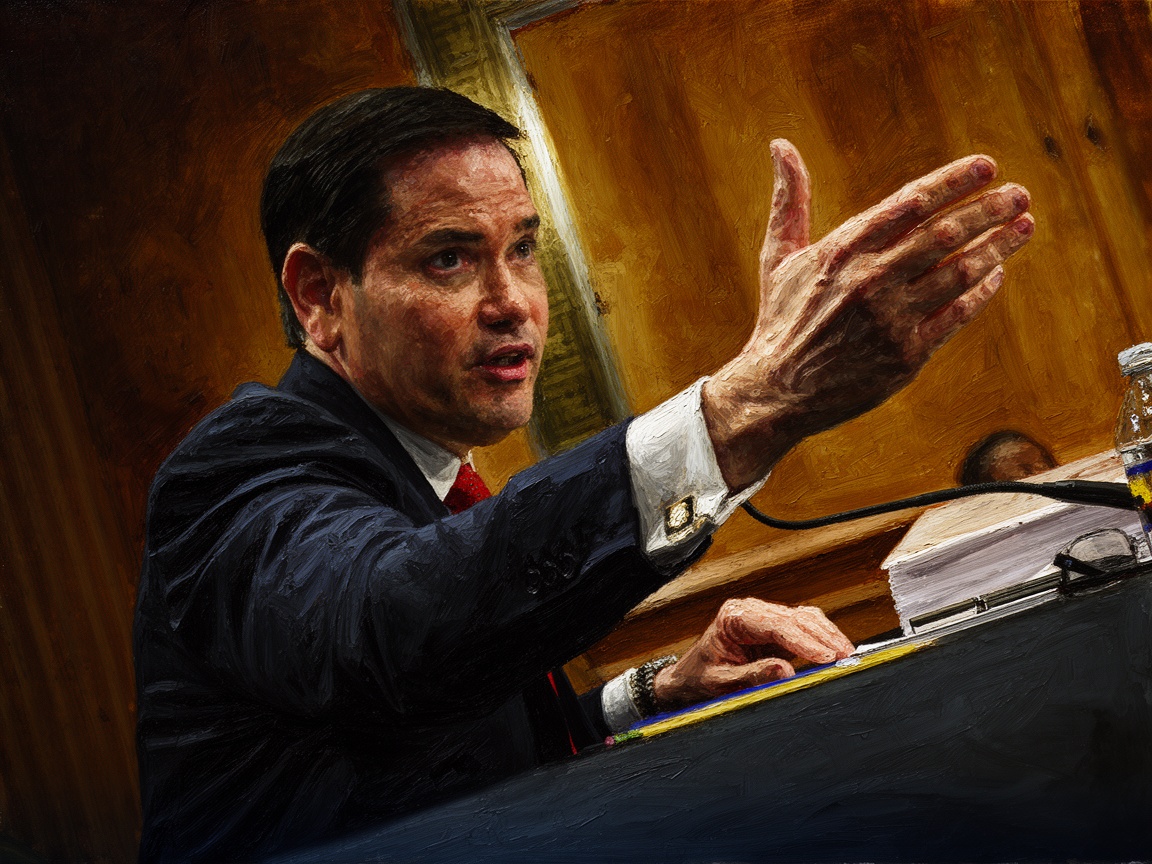
Iran's Supreme Leader Ayatollah Ali Khamenei has reportedly increased his involvement in nuclear negotiations as the country has agreed to address previously off-limits issues within its nuclear file. This revelation comes from US Secretary of State Marco Rubio, who indicated this shift during discussions with lawmakers.
The Iranian leadership's decision to open talks on sensitive nuclear dimensions signifies a potential thaw in diplomatic tensions. Historically, Iran has been reticent to engage in discussions that touch on critical elements of its nuclear ambitions, which raises stakes significantly for both Iran and the international community.
Strategically, this development could reshape the framework of discussions between Iran and the P5+1 nations, potentially leading to new agreements or modifications of existing terms. The US and its allies might view this as an opportunity to gain leverage in negotiations, emphasizing strict compliance with international nuclear agreements.
Details on what specific aspects of the nuclear file will be discussed remain unclear, but the implications could be profound. Iran’s nuclear program includes advanced enrichment capabilities, notably involving high-purity uranium, which raises concerns regarding their military applications.
The broader consequences of this heightened engagement may not only involve diplomatic implications but could also affect regional security dynamics significantly. As discussions progress, stakeholders will closely monitor how these negotiations unfold and whether they can steer Iran toward greater transparency and compliance with global nuclear oversight protocols.