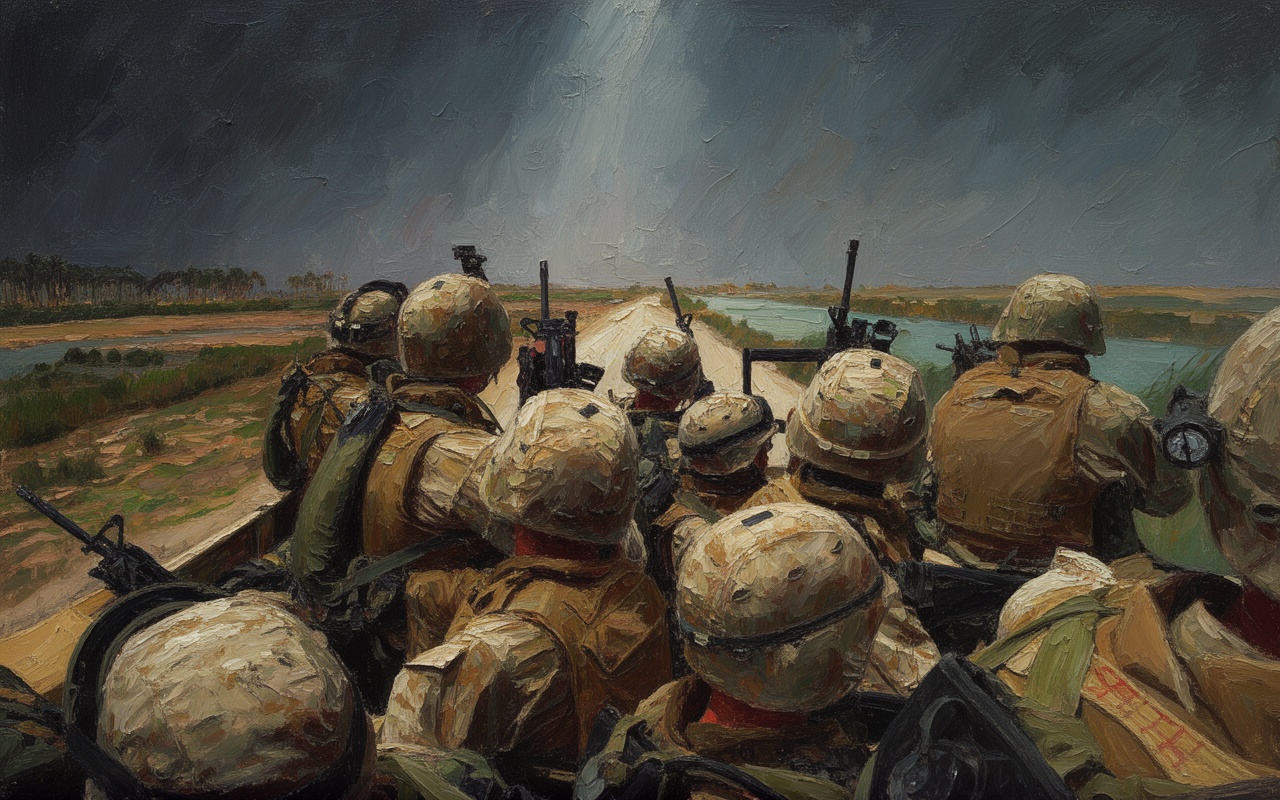
Iraq and Afghanistan Veterans Retire, New Leaders Face Lessons
The retirement of a generation of veterans poses strategic questions for military leadership. The transition to new leaders offers an opportunity to rethink doctrines and prepare for modern conflicts.
The retiring generation of veterans from Iraq and Afghanistan has sparked discussions about the critical lessons learned during their service. As these experienced individuals exit the military, new leaders are called upon to inherit both the knowledge and the challenges that come with evolving combat scenarios. The question remains: which lessons from the post-9/11 era are vital for future engagements?
In recent years, conflicts in Iraq and Afghanistan have transformed military doctrine, strategy, and operational readiness. The move towards hybrid warfare, coupled with technological advancements such as drones and cyber capabilities, has created a complex battlefield. As veterans transition into civilian life, their insights into counterinsurgency, coalition-building, and rapid response will shape the next generation of military personnel and decision-making.
The strategic significance of this transition cannot be understated. The departure of seasoned veterans relinquishes a wealth of experience that has been hard-earned over decades of conflict. Military leaders must assess how to integrate the lessons from recent wars while embracing innovative strategies that reflect the changing landscape of global threats, including state and non-state actors.
Technically, the U.S. military is already adopting new approaches, with increasing investments in unmanned systems, artificial intelligence, and cyber defense capabilities. As part of this shift, training programs are evolving to focus more on joint operations and real-time data utilization in combat scenarios. This modernization is essential to maintain the operational edge that veterans have fought to establish.
Looking ahead, the consequences of this veteran retiree wave will ripple through military ranks as strategies adapt to contemporary challenges. New leadership must strive to retain the valuable institutional knowledge while exploring new methodologies that reflect the unpredictability of modern warfare, ensuring that past mistakes do not repeat themselves as they prepare for future conflicts.