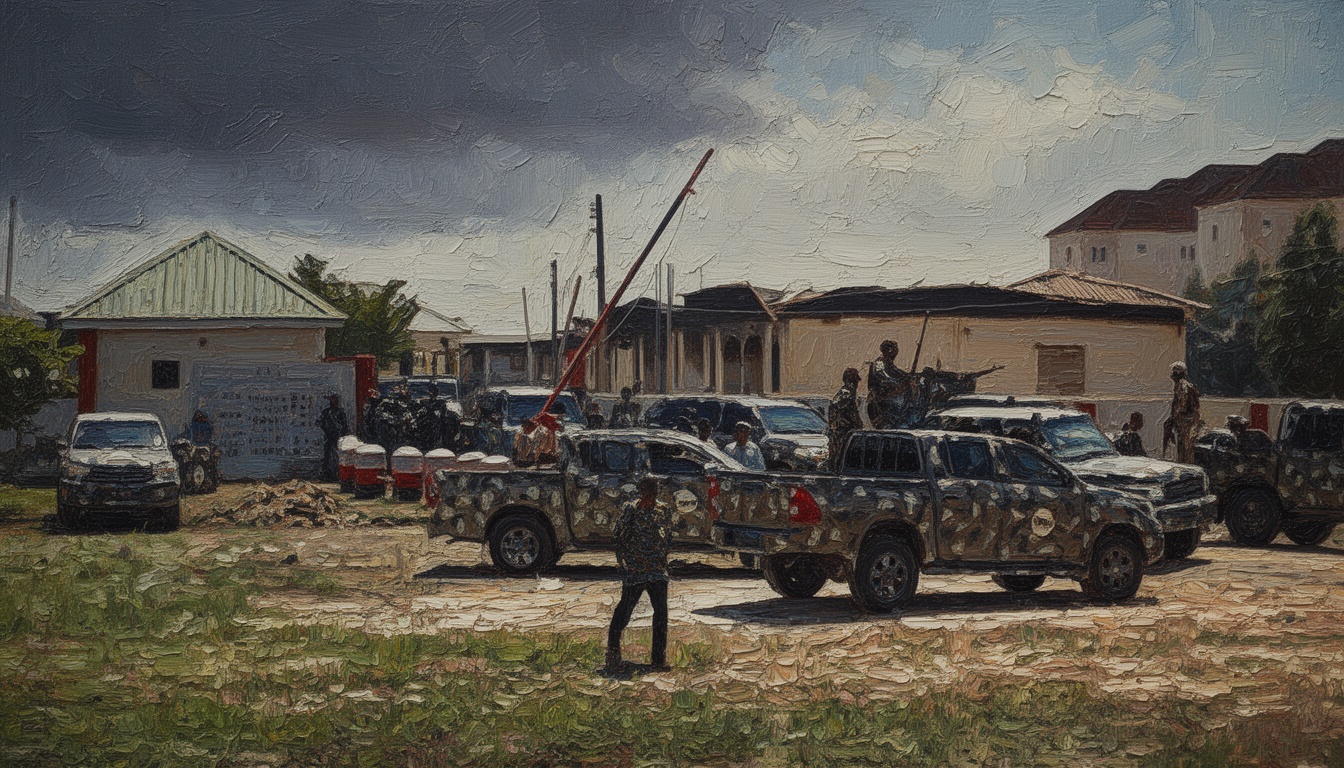
IS Leader Killed in US-Nigeria Joint Operation
The killing disrupts Islamic State operations in West Africa significantly. This development showcases increased collaboration between US and Nigerian forces against terrorism.
A key leader of the Islamic State group has been killed in a joint operation conducted by United States and Nigerian forces in Nigeria. The terrorist leader was described as 'the most active terrorist in the world' by officials, highlighting the long-standing threat he posed. This operation marks a significant achievement in the fight against the Islamic State, especially in the turbulent West African region.
The joint operation underscores escalating collaboration between US and Nigerian military forces, with both nations underlining their commitment to counter-terrorism initiatives. In the past years, the Islamic State has expanded its influence in West Africa, making targeted operations like this crucial for regional stability. The elimination of a senior figure is expected to create a temporary setback for the group, reducing its operational capability in the area.
The strategic significance of this event cannot be overstated. The removal of such a prominent terrorist leader is likely to impact Islamic State recruitment and morale. US President Joe Biden and Nigerian President Bola Ahmed Tinubu both emphasized the importance of international cooperation in combating terrorism.
Details surrounding the operation remain limited, but it is reported that special forces from both nations coordinated their efforts to track and eliminate the target. The operation represents not just a tactical victory but a symbolic blow to the Islamic State's leadership structure, potentially destabilizing its command hierarchy.
Looking ahead, this success may encourage further joint military efforts. The US and Nigeria's stronger partnership could lead to increased intelligence sharing and support in ongoing counter-terrorism operations. The implications of this joint effort extend beyond Nigeria, potentially affecting broader counter-terrorism strategies across West Africa.