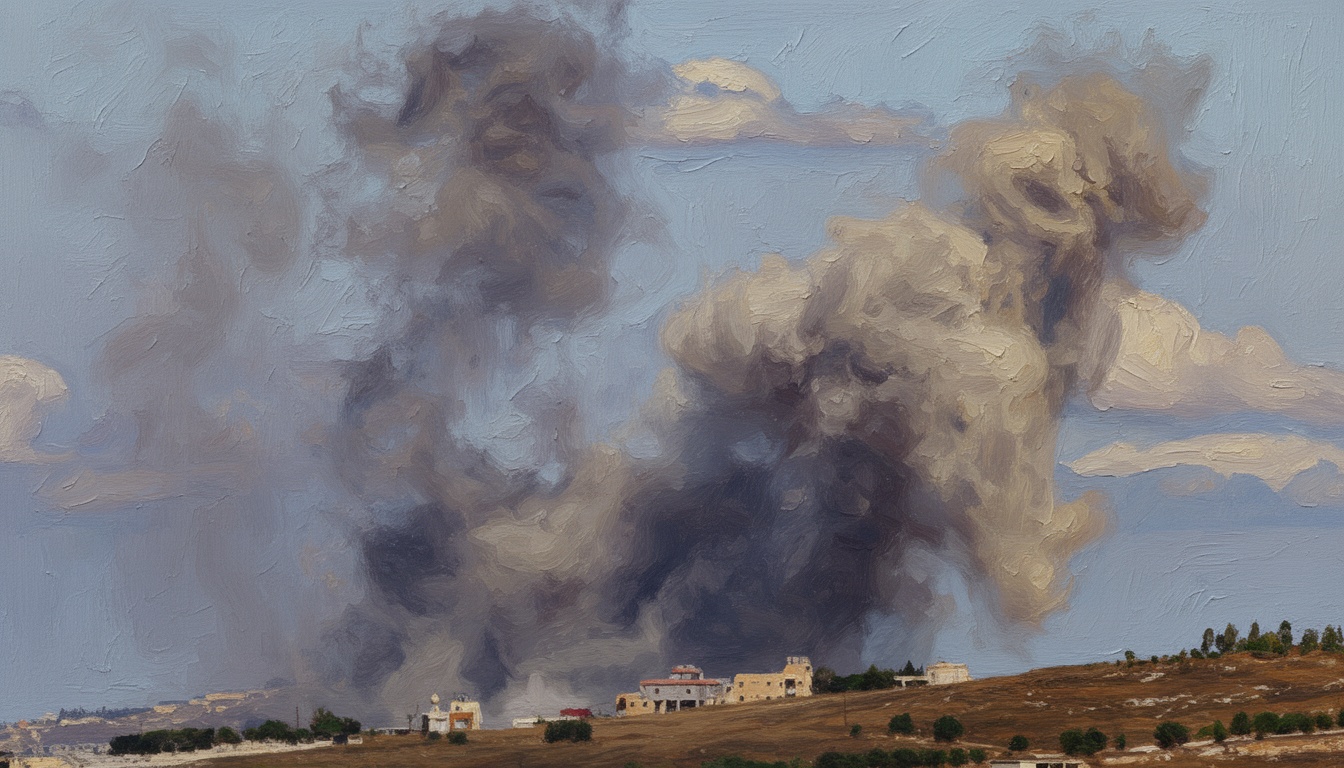
Israel and Hezbollah Agree to Truce After Renewed Violence
The ceasefire between Israel and Hezbollah follows deadlier exchanges in Lebanon. The situation remains volatile, with significant regional implications.
Israel and Hezbollah have reportedly agreed to a ceasefire following intense conflict in Lebanon that intensified on June 19. Within days, at least 20 civilians lost their lives due to renewed strikes, and four Israeli soldiers were also killed. This resurgence of violence raised serious doubts about the sustainability of the ceasefire meant to end the ongoing conflict in the Middle East.
Since the beginning of hostilities, tensions between Israel and Hezbollah have escalated sharply, marking a dangerous destabilization in the region. The recent exchanges underline the fragile nature of any truce amidst ongoing warfare, especially after a history of violent confrontations. As pressure mounts politically and socially, both parties face the looming threat of further escalation.
The strategic significance of the agreement cannot be understated, as it engages multiple geopolitical actors tied to both nations. The involvement of Hezbollah places additional scrutiny on Iran's role in supporting militias in Lebanon that contest Israeli influence. Statements from Israeli officials, particularly from far-right figures like National Security Minister Itamar Ben Gvir, calling for aggressive responses further intensify the environment.
In military terms, the latest attacks involved precision strikes, resulting in notable casualties on both sides, showing a marked increase in combat intensity. Israeli ground and air forces are reportedly on high alert following the ceasefire declaration, with assets remaining positioned for rapid response capabilities should the situation worsen again.
The future remains uncertain as both parties assess the terms of peace. Analysts project that unless substantial diplomatic engagement occurs, the potential for a renewed outbreak of conflict remains high, potentially leading to wider implications for regional stability and security.