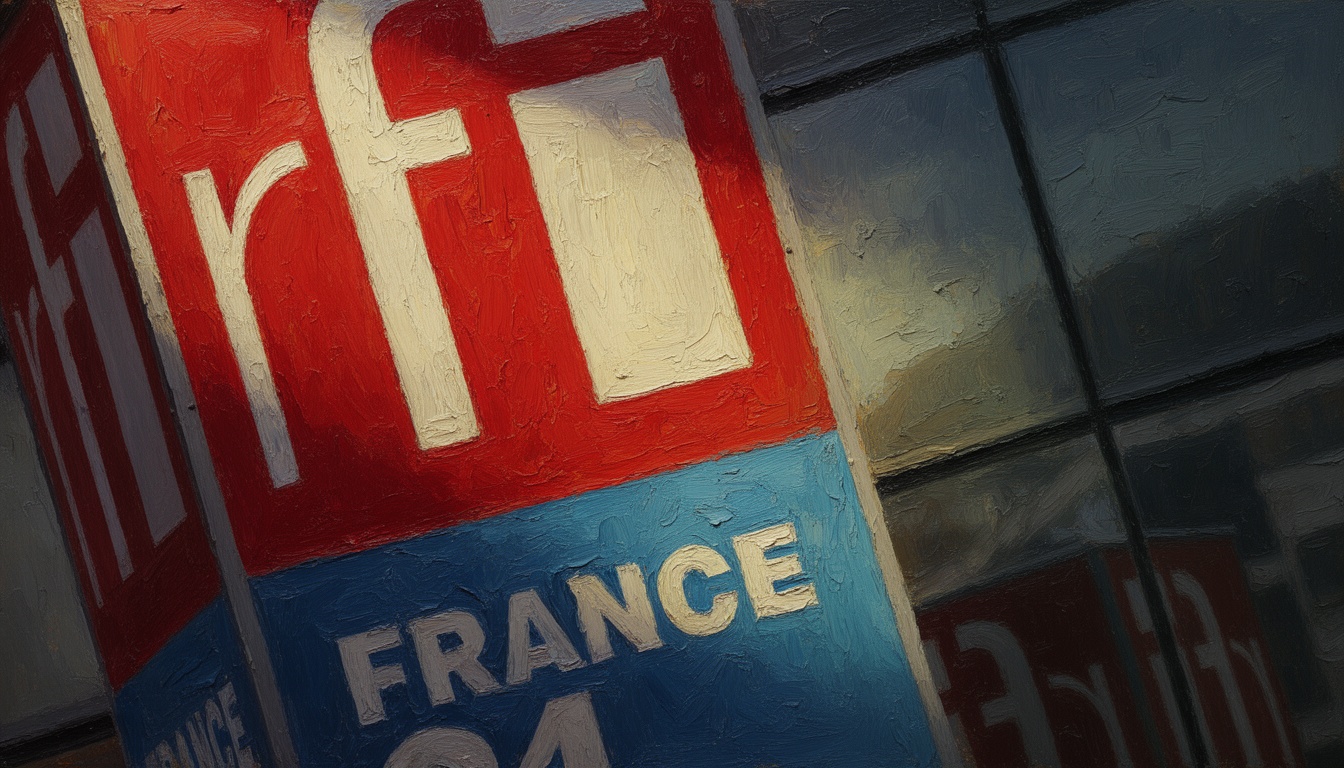
Israel Denies Entry to French Reporter, Press Freedom Under Threat
Israel's denial of entry to French journalist Alice Froussard raises serious concerns over press freedom in conflict zones. France 24's sister station condemns the government's actions.
On Thursday, October 12, 2023, Israeli authorities denied entry to French reporter Alice Froussard at Ben Gurion International Airport. Froussard, who covers the Israeli-Palestinian conflict for Radio France Internationale (RFI) and Radio France, was deported mere hours after her arrival. Israeli officials stated that the ban was a decision made based on national security considerations.
This incident has significant implications for media operations in one of the world's most contentious regions. The denial of entry for Froussard highlights the ongoing challenges faced by journalists attempting to report on sensitive issues in Israel and Palestine. RFI's condemnation of the situation as "an obstacle to press freedom" underlines concerns surrounding the safeguarding of journalistic rights in the country.
The strategic significance of this incident lies in its potential to deter foreign media coverage of the Israeli-Palestinian conflict. Journalists play a crucial role in bringing awareness to conflicts, and restrictions on their movement can limit the flow of information. Given the historical context of media repression in this region, such actions pose a threat to transparency and accountability in the ongoing violence.
Technical details reveal the operational constraints on journalists in conflict zones. The Israeli government has previously utilized similar measures against foreign journalists, citing security reasons. The continuous monitoring of journalists’ activities and the potential for deportation create an atmosphere of fear which can influence reporting quality and integrity.
In the wake of this incident, implications for future foreign media coverage remain concerning. The message sent to international journalists is clear: access to areas of conflict may come at a high cost. This could lead to increased self-censorship among reporters and a skewed representation of the realities on the ground, further complicating narrative structures surrounding the Israeli-Palestinian conflict.