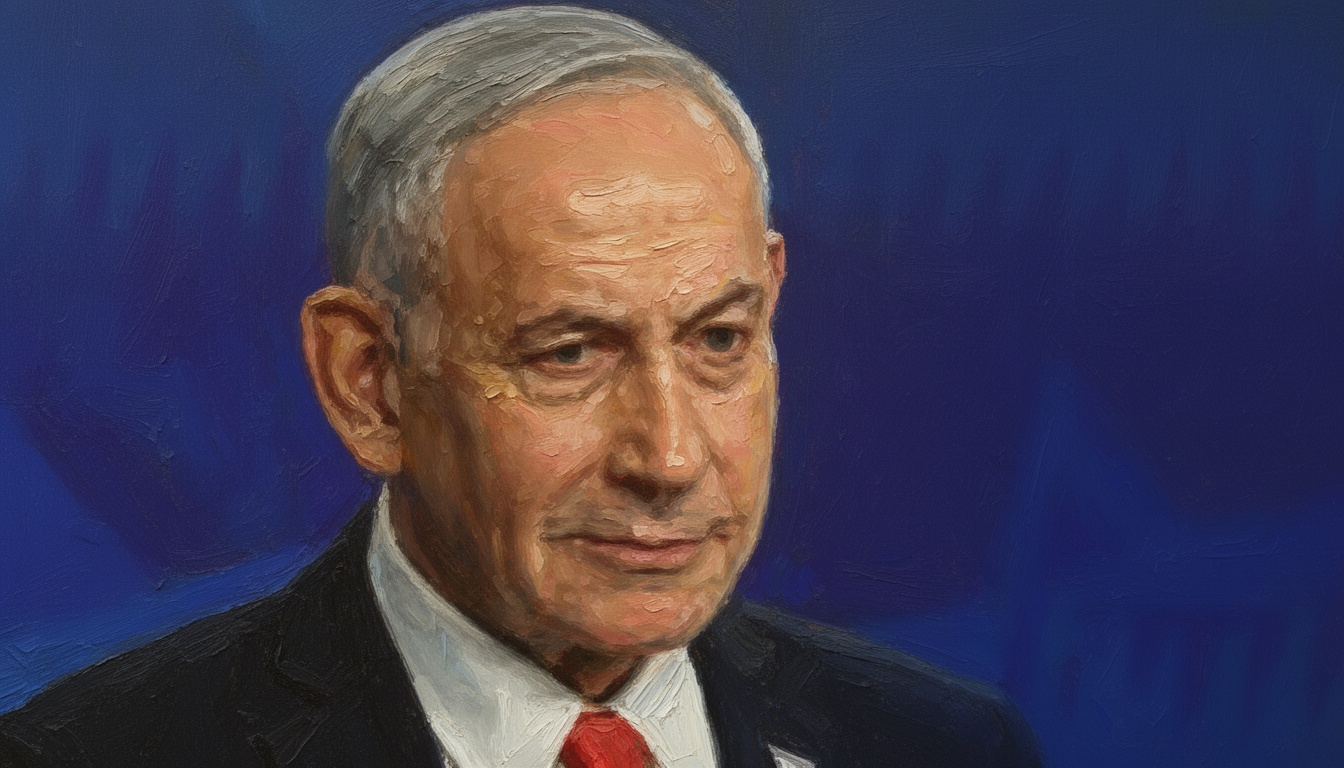
Israel Faces Political Dilemma Over Trump's Iran Ceasefire Deal
Donald Trump's ceasefire agreement with Iran complicates security dynamics for Israel. Prime Minister Netanyahu's political position may weaken as tensions rise.
The recent ceasefire agreement facilitated by Donald Trump with Iran presents a significant political and security challenge for Israeli Prime Minister Benjamin Netanyahu. This new development arises as Netanyahu navigates a complex landscape of regional tensions and domestic political pressures.
Previously, Iran was viewed as a key adversary for Israel, with both nations embroiled in a long-standing confrontation over nuclear capabilities and regional influence. The ceasefire could alter the strategic calculus in the Middle East, potentially empowering Iran while limiting Israel's options to counter its influence.
The strategic significance of this agreement lies in its implications for Israel's defense posture. Should Iran capitalize on the ceasefire to enhance its military capabilities, it could lead to an escalation of tensions throughout the region, complicating Netanyahu's response strategy.
Details of the agreement remain sparse, but analysts suggest that it may involve concessions by both parties. If Iran receives economic relief or diplomatic recognition in exchange for reduced hostilities, this could embolden Tehran’s regional aspirations and challenge Israel’s deterrence strategies.
Looking ahead, the consequences of this ceasefire agreement could be profound, forcing Netanyahu to reassess his approach to Iran amid a rapidly changing security landscape. This situation appears set to deepen internal divisions within Israel's political framework, as various factions may criticize Netanyahu's handling of the ramifications of this deal.