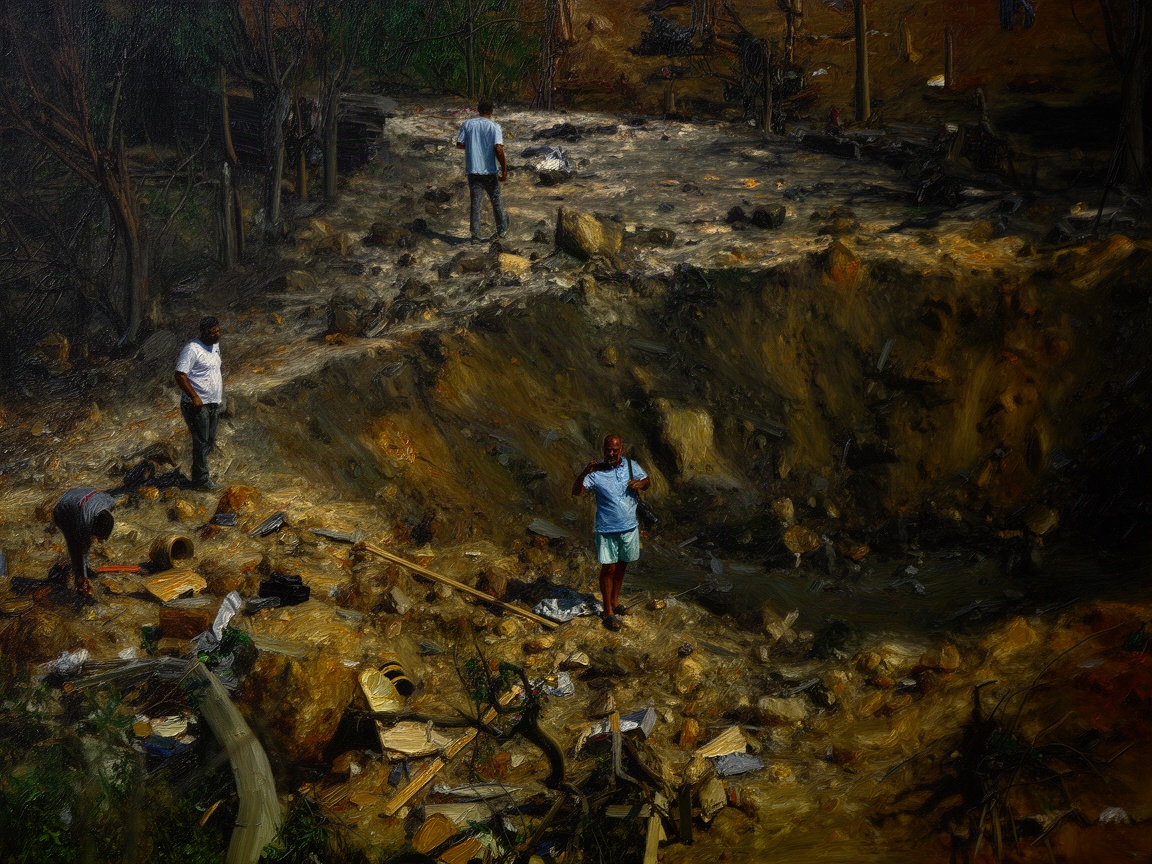
Israel Resumes Strikes in South Lebanon, Residents Outraged
Israeli military operations in South Lebanon escalate, causing civilian displacement and anger. Local authorities face scrutiny over their response to the situation.
Israeli forces have resumed airstrikes in South Lebanon, intensifying military operations that have led to significant civilian alarm and frustration. In recent days, the Israeli government has conducted multiple strikes targeting suspected militant positions, raising tensions in a region already on edge. Residents are questioning the effectiveness and response of their local government as they deal with the fallout from these renewed attacks.
This escalation follows a series of previous offensives that have already created a cycle of displacement among local populations. The Israeli Defense Forces (IDF) have stated that these strikes are aimed at neutralizing threats from militant groups operating in the border area, but the local populace perceives these actions as indiscriminate, leading to a humanitarian crisis.
The strategic implications of these military operations are considerable, not only for residents but also for regional stability. With rising tensions, the likelihood of retaliatory actions from pro-Hezbollah factions appears imminent. The growing discontent among civilians is compounded by fears of expanded conflict, as the area has a history of violent confrontations between Israeli forces and Lebanese groups.
Military analysts have noted that the IDF has been utilizing precision-guided munitions to minimize civilian casualties, yet reports indicate that many families are now facing evacuation orders. The situation is further complicated by the fragile political landscape in Lebanon, with government officials striving to maintain order amidst increasing public outcry.
Looking ahead, the continuation of these airstrikes could potentially destabilize the region further, leading to an escalation in violence. Residents in South Lebanon are likely to remain on edge, questioning their government’s capabilities to protect them from external threats while enduring the consequences of an ongoing military campaign in their vicinity.