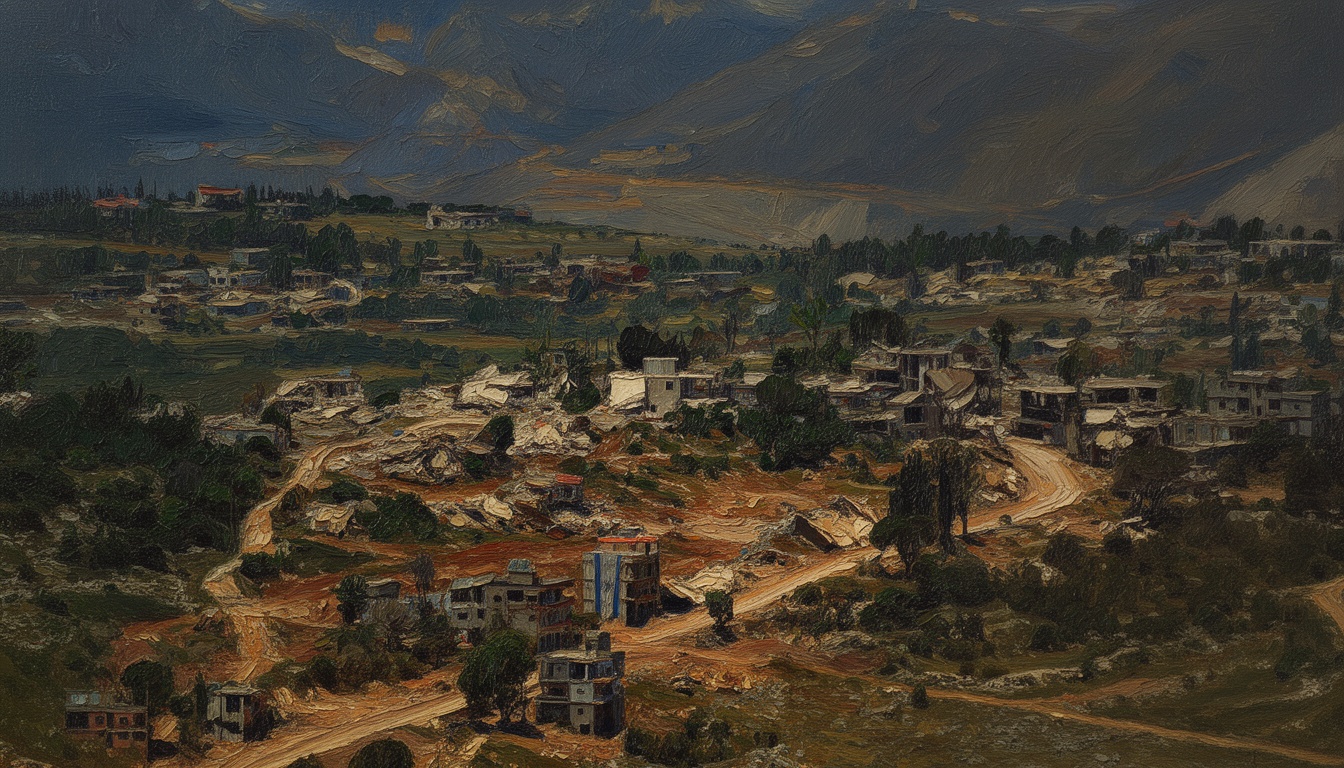
Israel Strikes Southern Lebanon, US-Iran Talks Delayed
The escalation in southern Lebanon poses significant challenges to US-Iran negotiations. With casualties reported, the situation remains volatile.
On Friday, the Israel Defense Forces carried out extensive airstrikes targeting various locations in southern Lebanon, resulting in the deaths of at least 15 individuals, as reported by the Lebanese state news agency. These strikes represent a significant escalation in the ongoing conflict in the region and threaten the fragile US-Iran interim agreement that had aimed for a reduction in hostilities in Lebanon.
Historically, the situation in southern Lebanon has been a flashpoint for regional tensions, particularly between Israel and Iran-backed Hezbollah forces. The striking increases the likelihood of retaliatory actions from Hezbollah, which could further destabilize the area. This escalation comes at a critical moment when diplomatic efforts were underway to mitigate violence through a temporary cessation of hostilities as part of US-Iran negotiations.
The strategic implications of Israel's military actions in southern Lebanon are profound. The airstrikes jeopardize the tentative diplomatic discussions that had aimed to address not only the ongoing conflict in Lebanon but also broader issues in US-Iran relations. The postponement of talks originally scheduled in Switzerland underscores the fragility of the situation, with both sides potentially hardening their positions.
In operational terms, the Israeli military utilized precision-guided munitions to engage multiple targets thought to be associated with Hezbollah's military infrastructure. This reflects a sustained focus on degrading the group's capabilities, which are viewed as a direct threat to Israeli security. The extent of the operation, alongside the reported casualties, highlights the alarming potential for further conflict in an already volatile region.
Looking ahead, the ramifications of these recent strikes could lead to an intensified military response from Lebanese groups, particularly Hezbollah. Moreover, the diplomatic landscape may become increasingly strained as both the US and Iran reassess their approaches in light of the violence. The risks of broader regional destabilization increase with each escalation of hostilities, threatening to undermine any diplomatic agreements that may have been in progress.