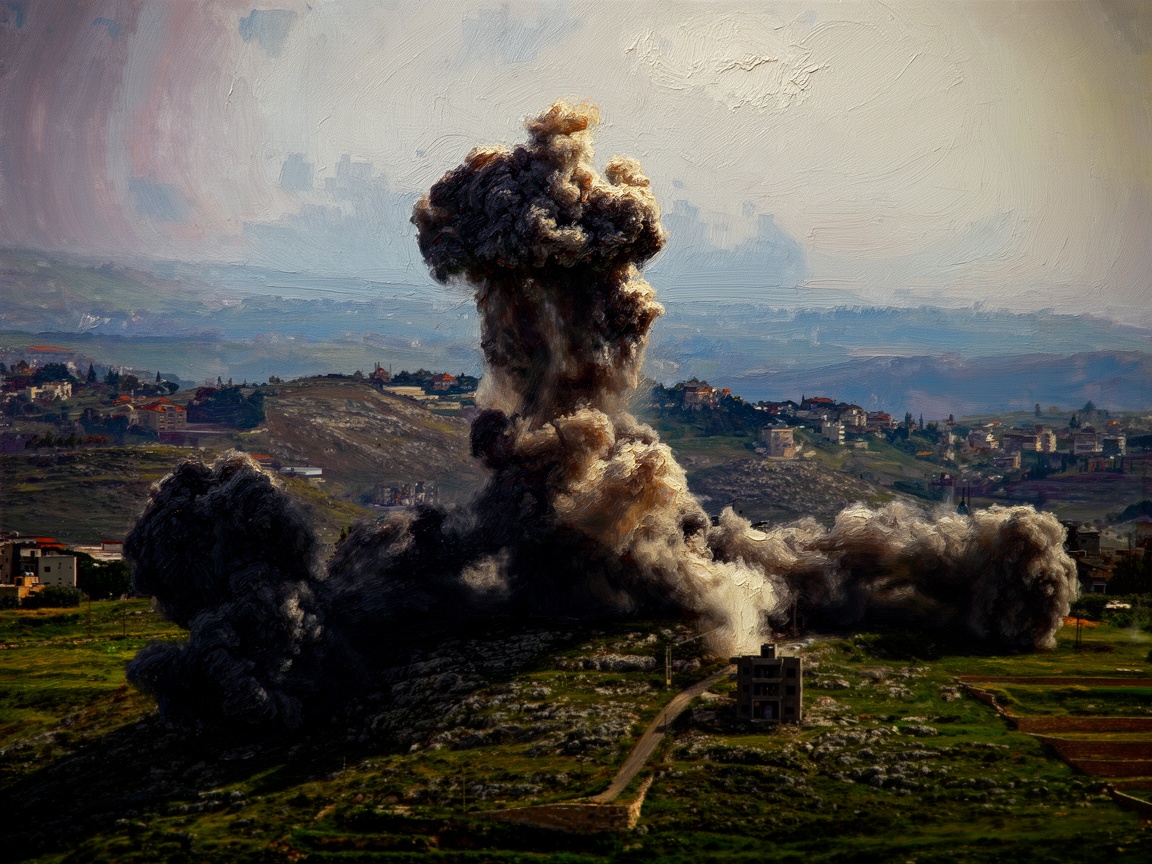
Israeli Attacks in Southern Lebanon Kill Two Ahead of US Talks
Increasing Israeli military activities in southern Lebanon raise security concerns ahead of crucial discussions in Washington regarding a ceasefire extension.
Two individuals have reportedly been killed as the Israeli Defense Forces (IDF) have escalated their operations in southern Lebanon. This surge in military activity comes just before scheduled talks between Lebanese and Israeli representatives in Washington, aimed at extending the ceasefire that has been in place since the latest round of conflict.
The backdrop of this development is a sensitive security environment in the region, where both Israel and Lebanon are facing pressures from various militant groups and internal political dynamics. The ceasefire discussions are of critical importance as they seek to stabilize a situation that has seen significant fighting, including rocket attacks and airstrikes, since late 2022.
Strategically, the escalation in southern Lebanon could potentially impact the fragile balance of power in the region. It may also affect Lebanon's political landscape, particularly amidst ongoing tensions with Hezbollah and Israel's desire to assert its deterrence capabilities. The outcome of the talks in Washington could dictate the operational tempo of both the IDF and Hezbollah in the near future.
Operationally, the IDF has deployed advanced artillery units and drone surveillance in southern Lebanon to monitor and respond to perceived threats. This includes the use of the Iron Dome missile defense system to intercept any incoming projectiles from Lebanese territory. The IDF's heightened alert status underscores its commitment to maintaining its security posture in response to potential escalations from Hezbollah or other groups.
If the talks in Washington fail to yield a lasting agreement, further military operations and casualties could be expected. The situation remains volatile, and regional allies are closely monitoring developments, which may lead to wider implications for Middle Eastern stability and international diplomatic efforts to mediate future disputes.